Insulated BBQ Smokers vs Offset Smokers: What Actually Matters When You're Picking One
So you're standing there, scrolling through smoker listings at 11pm, trying to figure out whether you need an insulated bbq smokers or a classic offset smoker.bbq smokers
 walaeric704@gmail.com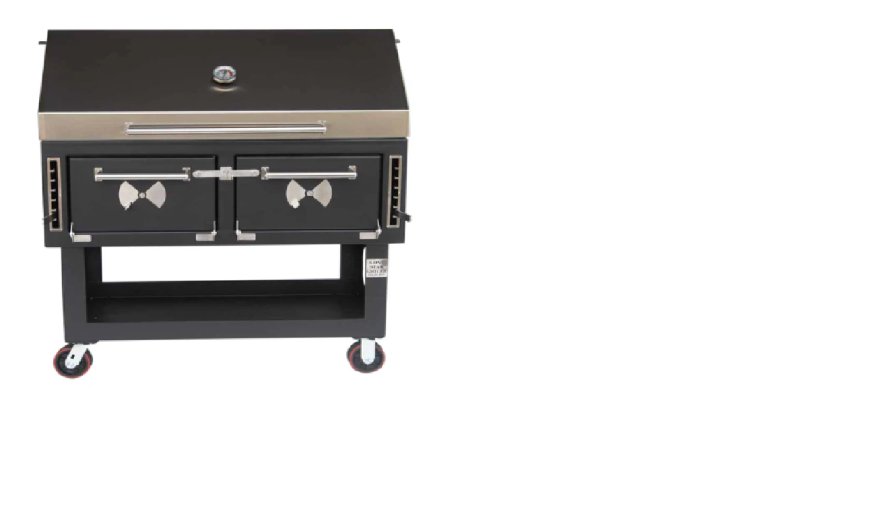
So you're standing there, scrolling through smoker listings at 11pm, trying to figure out whether you need an insulated bbq smokers or a classic offset smoker. Yeah, been there. Everybody who's serious about smoking meat hits this wall eventually. There's a lot of noise out there — forums arguing, YouTube guys with strong opinions, and honestly half of it contradicts the other half. So let's just talk through this like normal people, not like a spec sheet.

First, What Even Is the Difference
An offset smoker is the one you're picturing when someone says "real barbecue." Firebox on the side, long horizontal cook chamber, smoke and heat pulled across the meat and out a chimney on the far end. It's the classic setup — the one pitmasters in Texas have been running for decades. Steel, usually pretty thick if it's built right, and it radiates heat instead of trapping it.
An insulated BBQ smoker flips that idea a bit. Instead of relying on thick steel mass to hold temp, it's built with actual insulation — sometimes a double wall with air gap, sometimes real insulation material sandwiched in there. The goal is simple: keep the heat where you want it, use less fuel doing it, and fight the wind and cold way better than a standard offset ever could.
Neither one is "better" in some universal sense. That's the part people get wrong constantly. It depends what you're actually trying to do.
Why People Love Offset Smokers (And Why They're a Pain Sometimes)
There's a romance to offset smoking, not gonna lie. You're tending a fire, you're watching smoke roll, you're making constant tiny adjustments — it's hands-on in a way that feels like actual cooking, not just pushing a button. A lot of competition guys still swear by offsets because the flavor profile you get from that long smoke path, fire management, and thin blue smoke is genuinely different. Some say it's better. I won't argue that point too hard either way.
But here's the catch. Offset smokers eat fuel. A thin-gauge offset especially — and there are a LOT of cheap ones out there — will lose heat fast, especially in cold weather or wind. You end up babysitting the fire constantly, adding splits every 30-45 minutes, chasing temperature swings up and down. If you've got the time and you enjoy that process, great. If you're trying to smoke a brisket overnight and also sleep, it gets rough fast.
Quality matters a ton here too. A cheap offset with thin steel is basically a temperature rollercoaster. A well-built, thick-steel offset holds heat way more evenly, but it costs more and weighs a ton.
Where Insulated Smokers Pull Ahead
This is where insulated BBQ smokers start making a lot of sense for people who want consistency without the constant fire-tending. Because of the insulation, they hold their temp steadier — less fuel needed, less babysitting, and honestly a lot more forgiving if you're new to this or just don't have six hours to stand next to a fire.
Cold weather cooks? Insulated wins, no contest. Windy day at a tailgate or a backyard cook? Insulated holds up better. You're not fighting the environment as much, which means more consistent bark, more even cook times, and honestly less stress. If you've ever had a cook get ruined because the outside temp dropped 20 degrees and your smoker couldn't keep up, you already know why insulation matters.
They're also generally more fuel-efficient. Less wood or charcoal burned per hour means lower cost over time and fewer trips out to the woodpile at 2am because your smoker temp is crashing.
So Which One Should You Actually Buy
Honestly? Ask yourself what kind of cook you want to be. If you love the process — the fire tending, the constant adjustment, the whole ritual of it — an offset smoker is going to scratch that itch in a way nothing else does. There's a reason offset rigs dominate competition barbecue circuits across Texas and beyond.
If you want more predictable results with less fuss, especially if you're cooking in variable weather or you just don't have unlimited time to babysit a fire pit, an insulated smoker earns its keep fast. A lot of newer smoker designs actually blend both ideas now — offset-style smoke path but with insulated walls, giving you that traditional flavor profile without quite as much of the temperature chaos.
One thing I'll say plainly: don't buy based on price alone. Thin-metal smokers, insulated or offset, will disappoint you regardless of the design philosophy behind them. Steel gauge and build quality matter just as much as which category you pick. A cheap insulated smoker with poor seals isn't actually going to outperform a well-built offset, and vice versa.
A Few Things Nobody Tells You Upfront
Seasoning your smoker matters no matter which style you go with — that first burn-in coats the metal and helps prevent rust plus builds up that flavor layer over time. Also, gaskets and door seals matter way more than people expect, especially on insulated units, because a leaky door defeats half the purpose of insulation in the first place.
And maintenance-wise, offset smokers need more regular attention — cleaning out the firebox, managing ash, checking the chimney draft. Insulated smokers are a bit lower maintenance day-to-day but you still gotta clean grease buildup and check seals periodically.
Look, at the end of the day both styles can produce genuinely excellent barbecue. The "best" smoker is the one that matches how you actually cook, not the one some forum thread insists is objectively superior.
Wrapping This Up
If you're weighing insulated BBQ smokers against offset smokers, it really comes down to your priorities — flavor ritual and hands-on fire management versus consistency, fuel efficiency, and weather resistance. Both camps have loyal fans for good reason, and honestly you can't go wrong picking either if the build quality is solid.
If you want to see what a well-built option in either category actually looks like, check out what Lone Star Grillz has going on. Their build quality speaks for itself, and it's worth a look before you drop money on something flimsy.

FAQs
1. Are insulated BBQ smokers worth the extra cost compared to a standard offset?
For most people, yes — especially if you cook in cold or windy conditions often. You'll burn less fuel and deal with fewer temperature swings, which saves both money and headache over time. If you mostly cook in mild weather and enjoy fire management, the extra cost might not feel as necessary.
2. Do offset smokers really produce better flavor than insulated ones?
It's debated a lot, and honestly it comes down to technique more than the smoker type. The long smoke path in a traditional offset does create a distinct flavor profile that a lot of pitmasters prefer, but a well-run insulated smoker can absolutely produce excellent bark and smoke flavor too. It's less about the category and more about how you manage the fire and smoke.
3. How much fuel savings can I expect from an insulated smoker versus an offset?
It varies based on weather, insulation quality, and cook length, but many users report needing meaningfully less wood or charcoal per hour with insulated units, particularly in cold weather. On a mild summer day the gap shrinks quite a bit.
4. Can beginners handle an offset smoker, or should they start with something insulated?
Offsets have a steeper learning curve because fire management takes practice — expect some trial and error on your first few cooks. An insulated smoker is generally more forgiving for beginners since it holds temperature more steadily, giving you a bit more room to learn without ruining a whole brisket in the process.