Moisturizer: The Foundation of Healthy and Hydrated Skin
 anekpatel25
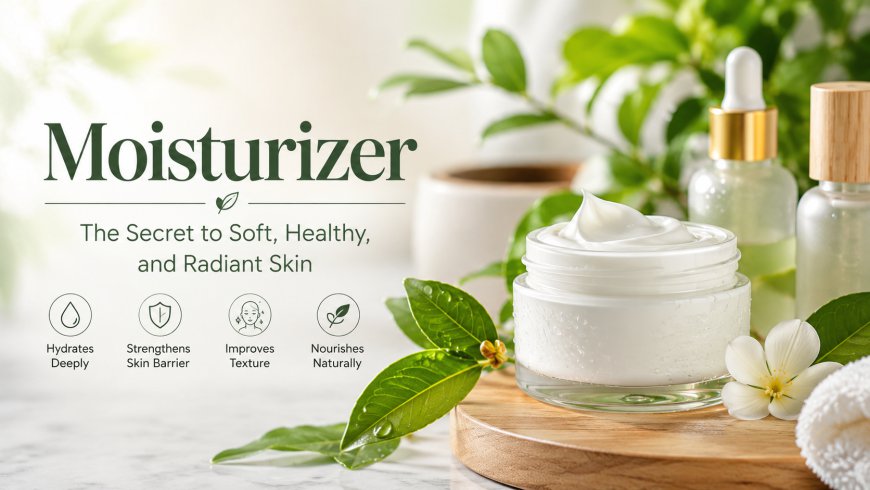
Healthy skin is often associated with a natural glow, smooth texture, and a comfortable feeling throughout the day. One of the most effective ways to maintain these qualities is by using a moisturizer. Regardless of age, gender, or skin type, moisturizing plays a crucial role in skincare. It helps the skin retain water, supports its natural barrier, and protects it from environmental stressors that can lead to dryness and irritation.
Although moisturizers are commonly viewed
as products for dry skin, they are beneficial for nearly everyone. Modern skincare science has shown that proper hydration is essential for maintaining skin health, preventing premature signs of aging, and improving overall skin appearance. Understanding how moisturizers work and how to choose the right one can make a significant difference in achieving healthy skin.
What Is a Moisturizer?
A moisturizer is a skincare product designed to increase the skin’s hydration levels and prevent moisture loss. It creates a protective layer on the skin’s surface, helping to lock in water and maintain softness. Moisturizers come in various forms, including creams, lotions, gels, ointments, and balms, each formulated to suit different skin types and concerns.
The primary purpose of a moisturizer is to strengthen the skin barrier. The skin barrier acts as a shield against pollutants, bacteria, harsh weather conditions, and excessive water loss. When this barrier becomes compromised, the skin may feel tight, rough, flaky, or sensitive. Moisturizers help restore balance and support the skin’s natural protective functions.
Why Skin Needs Moisture
The outermost layer of the skin, known as the stratum corneum, contains natural oils and water that keep it healthy and flexible. Daily exposure to environmental factors such as sun, wind, air conditioning, heating systems, and pollution can reduce moisture levels. Frequent washing, hot showers, and the use of harsh skincare products can also strip the skin of its natural oils.
When the skin loses moisture, it becomes more vulnerable to irritation and damage. Dry skin may develop redness, itching, cracking, or an uneven texture. Moisturizers help replenish lost hydration and create a smoother, healthier appearance. They also reduce discomfort associated with dryness and support the skin’s natural repair process.
How Moisturizers Work
Most moisturizers contain a combination of ingredients that work together to hydrate and protect the skin. These ingredients generally fall into three categories:
Humectants
Humectants attract water to the skin and help increase hydration levels. They draw moisture from the environment or deeper layers of the skin to the surface. Common humectants include glycerin, hyaluronic acid, aloe vera, and urea.
These ingredients are particularly effective for dehydrated skin because they help maintain water content and improve skin elasticity.
Emollients
Emollients smooth and soften the skin by filling tiny gaps between skin cells. They improve texture and create a more even surface. Common emollients include squalane, shea butter, fatty acids, and plant oils.
Emollients are especially beneficial for rough or flaky skin because they enhance softness and flexibility.
Occlusives
Occlusives form a protective layer on the skin to prevent water loss. They seal in moisture and help maintain hydration over time. Common occlusive ingredients include petrolatum, beeswax, lanolin, and certain mineral oils.
These ingredients are often found in richer creams and ointments designed for very dry skin.
Benefits of Using a Moisturizer
Regular use of a moisturizer provides numerous benefits beyond simply preventing dryness.
Improves Skin Hydration
The most obvious benefit is increased hydration. Well-moisturized skin feels soft, smooth, and comfortable throughout the day. Hydrated skin also appears healthier and more radiant.
Supports the Skin Barrier
A strong skin barrier protects against environmental damage and irritants. Moisturizers reinforce this barrier and help maintain its effectiveness.
Reduces Dryness and Flaking
Dry skin can become rough, flaky, and uncomfortable. Moisturizers help restore smoothness and reduce visible signs of dryness.
Enhances Skin Texture
Regular moisturizing improves the overall texture of the skin. It can make the skin feel softer and look more even.
Minimizes the Appearance of Fine Lines
Dehydrated skin often makes fine lines appear more noticeable. While moisturizers do not eliminate wrinkles, they can temporarily plump the skin and improve its appearance.
Soothes Sensitive Skin
Many moisturizers contain calming ingredients that reduce irritation and support skin recovery. This can be especially helpful for individuals with sensitive or easily irritated skin.
Choosing the Right Moisturizer
Selecting the right moisturizer depends largely on skin type and individual skincare needs.
For Dry Skin
People with dry skin generally benefit from rich creams and ointments containing occlusive and emollient ingredients. Products with shea butter, ceramides, and natural oils can provide long-lasting hydration.
For Oily Skin
Oily skin still requires moisture. Lightweight gel-based or water-based moisturizers are often ideal because they hydrate without leaving a greasy residue. Ingredients such as hyaluronic acid and niacinamide are popular choices.
For Combination Skin
Combination skin may require a balanced formula that hydrates dry areas without overwhelming oil-prone zones. Lightweight lotions often work well for this skin type.
For Sensitive Skin
Sensitive skin benefits from fragrance-free and gentle formulations. Moisturizers containing soothing ingredients such as aloe vera, colloidal oatmeal, and ceramides can help reduce irritation.
For Mature Skin
As skin ages, it naturally loses moisture and elasticity. Rich moisturizers with peptides, antioxidants, and hyaluronic acid can support hydration and improve the appearance of aging skin.
When and How to Apply Moisturizer
Applying moisturizer correctly is just as important as choosing the right product.
The best time to apply moisturizer is immediately after cleansing when the skin is still slightly damp. This helps trap water within the skin and improves hydration.
A simple moisturizing routine includes:
- Cleanse the skin gently.
- Pat the skin dry, leaving a small amount of moisture.
- Apply any treatment products or serums.
- Use a moisturizer appropriate for your skin type.
- During the day, follow with sunscreen.
Consistency is key. Applying moisturizer both morning and evening helps maintain hydration and support long-term skin health.
Common Moisturizing Mistakes
Many people unknowingly make mistakes that reduce the effectiveness of their moisturizer.
One common mistake is skipping moisturizer because the skin feels oily. Oily skin can still become dehydrated, leading to increased oil production as the skin attempts to compensate.
Another mistake is using products that are too heavy or too light for a specific skin type. Choosing the wrong formula may lead to clogged pores or insufficient hydration.
Over-exfoliation can also weaken the skin barrier, making it difficult for moisturizers to perform effectively. Balancing exfoliation with adequate hydration is important for maintaining healthy skin.
Finally, some individuals apply moisturizer only when their skin feels dry. Regular use is far more effective than occasional application.
Natural Ingredients Commonly Found in Moisturizers
Many moisturizers contain natural ingredients that provide additional skincare benefits.
Aloe vera is widely used for its soothing and hydrating properties. Shea butter is valued for its rich moisturizing capabilities and ability to soften rough skin. Coconut oil is known for its emollient properties, while jojoba oil closely resembles the skin’s natural oils and helps maintain balance.
Green tea extract and vitamin E are frequently included because of their antioxidant benefits, which help protect the skin from environmental stressors.
The Role of Moisturizer in Daily Skincare
A moisturizer serves as one of the core components of an effective skincare routine. Whether the goal is maintaining hydration, improving texture, reducing discomfort, or supporting healthy aging, moisturizing remains an essential step.
Healthy skin depends on a balance of water, oils, and protective functions. Moisturizers help maintain that balance and provide the support needed for the skin to perform its natural role effectively.
Conclusion
Moisturizers are much more than cosmetic products; they are essential tools for maintaining healthy skin. By helping the skin retain moisture, strengthening the protective barrier, and improving overall comfort and appearance, they contribute significantly to skin wellness. With a wide variety of formulations available, there is a moisturizer suited for every skin type and concern.
Regular and proper use of a moisturizer can lead to softer, smoother, and healthier-looking skin over time. Whether incorporated into a simple routine or a comprehensive skincare regimen, moisturizing remains one of the most valuable habits for supporting long-term skin health and maintaining a radiant complexion.