How the Motus Nova Hand Device Supports Smarter Stroke and MS Rehabilitation
Learn how the motus nova hand device delivers AI-powered stroke and MS rehabilitation with personalized home therapy and adaptive recovery support.
 independentmed
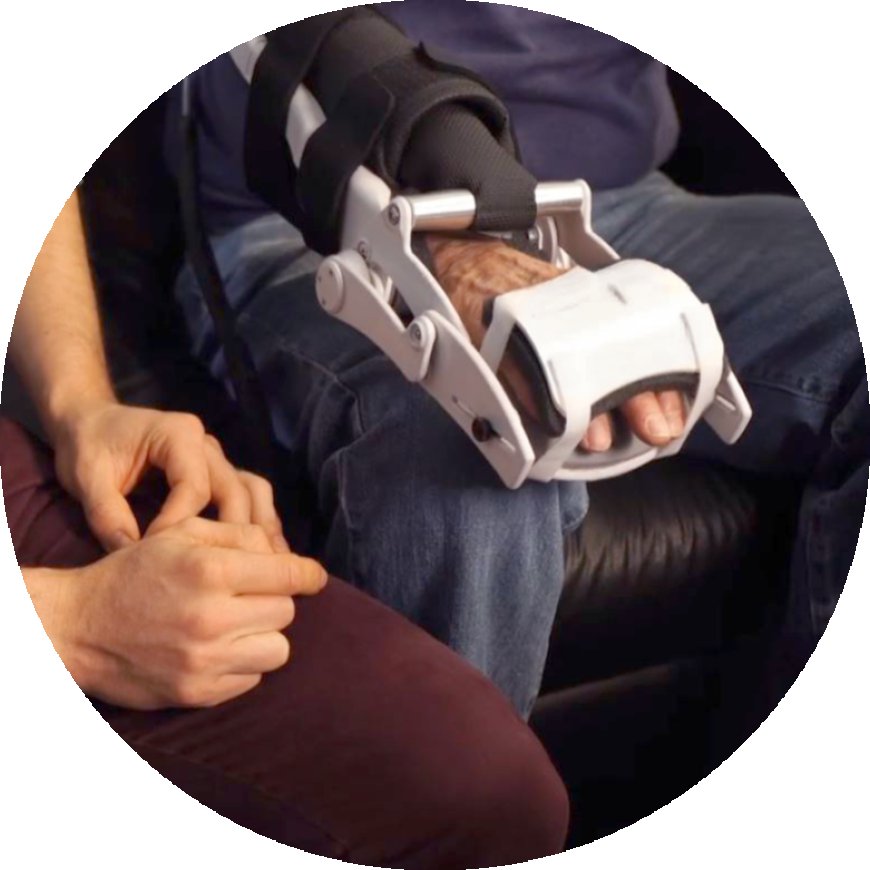
Recovering from a stroke or managing Multiple Sclerosis (MS) often requires long-term rehabilitation to improve mobility, strength, and independence. While every recovery journey is unique, one factor remains consistent—patients benefit from regular, targeted therapy that adapts to their changing abilities. That's where the Motus Nova Hand Device offers a modern solution.
Motus Nova's AI-powered therapy robots are designed to bring personalized rehabilitation into the home, helping individuals continue their recovery beyond traditional therapy sessions. By combining robotics, artificial intelligence, and real-time performance tracking, the motus nova hand device supports patients in achieving meaningful progress while maintaining motivation throughout their rehabilitation journey.
Why Consistent Rehabilitation Is Essential
Neurological conditions such as stroke and Multiple Sclerosis can affect hand function, coordination, muscle strength, and everyday mobility. Recovery often depends on repetitive exercises that encourage the brain and muscles to rebuild movement patterns.
Unfortunately, many patients face obstacles that make consistent rehabilitation difficult, including:
- Limited access to rehabilitation clinics
- Transportation challenges
- Busy caregiver schedules
- Physical fatigue
- Financial considerations for long-term therapy
Home-based rehabilitation technology helps bridge these gaps by providing structured therapy that patients can perform in a familiar environment.
What Is the Motus Nova Hand Device?
The Motus Nova Hand Device is an AI-powered robotic rehabilitation system developed to support upper-limb recovery for people recovering from stroke or living with Multiple Sclerosis. It delivers guided therapy sessions while adapting exercises based on each user's progress and performance.
Unlike traditional exercise programs that follow a fixed routine, the system uses intelligent technology to personalize rehabilitation, making therapy more engaging and effective.
Key Features of the Motus Nova Hand Device
The system includes several innovative features designed to improve rehabilitation outcomes:
- AI-powered therapy personalization
- Guided hand and arm exercises
- Real-time performance tracking
- Adaptive exercise difficulty
- Progress monitoring over time
- Convenient home-based therapy
- Interactive exercises that encourage regular participation
These features help patients stay committed to their rehabilitation while providing valuable information that can support conversations with healthcare providers.
Benefits for Stroke Recovery
Stroke survivors frequently experience weakness or limited movement in one hand or arm. Everyday tasks like eating, writing, dressing, or holding household objects may become difficult.
The motus nova hand device encourages repetitive movement, which is a key principle of neurorehabilitation. By practicing targeted exercises consistently, patients can work toward improving:
- Hand strength
- Grip control
- Finger movement
- Coordination
- Functional independence
Because rehabilitation often continues for months or even years after a stroke, having access to therapy at home allows patients to maintain regular practice without relying solely on clinic visits.
Supporting Individuals Living with Multiple Sclerosis
Multiple Sclerosis presents unique rehabilitation challenges because symptoms can change over time. Muscle weakness, tremors, reduced coordination, and fatigue may all impact hand function.
The Motus Nova Hand Device is designed to adapt as these changes occur. Its AI technology adjusts therapy sessions according to the user's current abilities, helping ensure exercises remain appropriate and productive.
This personalized approach supports long-term rehabilitation while encouraging patients to stay engaged in their therapy program.
Personalized Therapy Through Artificial Intelligence
Artificial intelligence is transforming healthcare by making treatments more responsive to individual needs. Rather than delivering identical exercises to every user, the motus nova hand device analyzes performance during each session and modifies future exercises accordingly.
This adaptive approach helps patients remain challenged without becoming overwhelmed, creating a rehabilitation experience that evolves alongside their recovery.
The system also tracks progress over time, allowing users to monitor improvements and stay motivated throughout their rehabilitation journey.
Bringing Rehabilitation Home
One of the greatest advantages of the motus nova hand device is its ability to support rehabilitation from home. Home-based therapy makes it easier for patients to maintain consistency while reducing travel and scheduling challenges.
Healthcare providers also benefit from knowing their patients have access to structured rehabilitation between appointments, supporting continuity of care and encouraging long-term adherence to therapy plans.
As rehabilitation technology continues to evolve, AI-powered solutions like Motus Nova are helping redefine how neurological recovery is delivered—making therapy more accessible, personalized, and convenient for patients recovering from stroke or living with Multiple Sclerosis.
To learn more about Motus Nova's rehabilitation solutions, visit:
https://independentmed.com/motusnova/
FAQ
1. What is the motus nova hand device?
The motus nova hand device is an AI-powered robotic rehabilitation system that helps people recovering from stroke or living with Multiple Sclerosis perform guided hand and upper-limb therapy at home.
2. Who can use the motus nova hand device?
It is designed for stroke survivors and individuals living with Multiple Sclerosis who need ongoing upper-limb rehabilitation as recommended by their healthcare provider.
3. How does the device personalize therapy?
The device uses artificial intelligence to monitor user performance and automatically adjust exercises based on progress and changing abilities.
4. Can the motus nova hand device replace physical therapy?
No. It is designed to complement professional rehabilitation by providing additional guided therapy between clinical visits.
5. What are the benefits of home-based rehabilitation?
Home-based rehabilitation improves therapy consistency, increases convenience, reduces travel requirements, and helps patients continue working toward recovery goals in a comfortable environment.