Nurturing Young Minds Through Quality Early Childhood Education
 familydaycare
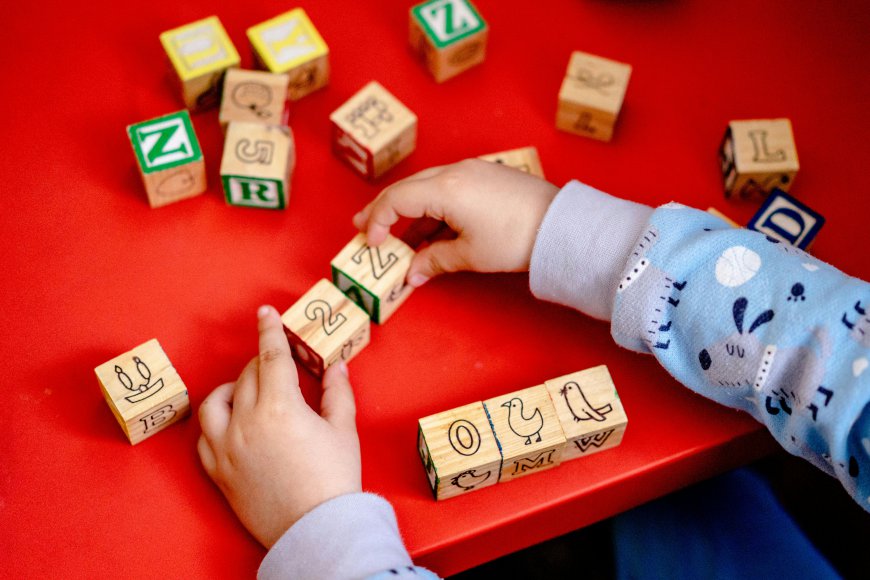
The early years of a child’s life are filled with learning opportunities that shape their future development. During this important stage, children begin building the social, emotional, cognitive, and physical skills that help them succeed throughout life. At First Idea Family Day Care, families looking for trusted family day care Lyndhurst services understand the importance of choosing a nurturing environment that encourages children to explore, learn, and grow with confidence. A supportive early learning experience can create a strong foundation for lifelong success and wellbeing.
Children are naturally curious and eager to discover the world around them. Every interaction, activity, and experience contributes to their understanding of new concepts and ideas. When children are provided with opportunities to learn through exploration, they develop confidence in their abilities and become enthusiastic learners. Early childhood education helps foster this natural curiosity while supporting overall development in a structured and engaging way.
Why Early Learning Matters
The first few years of life play a crucial role in brain development. During this period, children absorb information rapidly and form important connections that influence future learning and behaviour. Positive experiences during these years can have a lasting impact on a child’s academic performance, emotional wellbeing, and social relationships.
Activities such as storytelling, music, arts and crafts, and hands-on exploration help children develop critical thinking and communication skills. These experiences encourage children to ask questions, solve problems, and express their ideas confidently.
A positive introduction to learning can also help children develop a love for education. When learning feels enjoyable and rewarding, children are more likely to remain engaged and motivated as they grow older.
Building Confidence Through Everyday Experiences
Confidence is an essential skill that supports children in all aspects of life. Early learning environments provide opportunities for children to try new activities, make choices, and develop independence.
Simple accomplishments such as completing a puzzle, participating in group activities, or learning a new skill can significantly boost self-esteem. Encouragement and positive reinforcement help children recognise their achievements and build confidence in their abilities.
Children who feel confident are often more willing to take on challenges and explore new opportunities. They learn that mistakes are part of the learning process and develop resilience when faced with obstacles.
Creating an environment where children feel supported and valued encourages them to participate actively and express themselves without fear of failure.
Supporting Social Development
One of the greatest benefits of early childhood education is the opportunity for children to interact with others. Social experiences help children develop communication skills, empathy, and the ability to build positive relationships.
Through group activities and collaborative play, children learn how to share, cooperate, and take turns. These experiences teach important lessons about teamwork and respect for others.
Friendships formed during the early years can contribute to a sense of belonging and emotional security. Positive social interactions help children feel connected and confident in social situations.
Strong communication skills developed during childhood can also support future success in school and personal relationships. Learning how to express thoughts and feelings clearly helps children navigate a variety of social experiences.
Learning Through Play
Play is often considered the foundation of early childhood learning. It provides children with opportunities to explore ideas, use their imagination, and develop important life skills in a natural way.
Creative activities such as drawing, painting, role-playing, and building structures encourage self-expression and problem-solving. These experiences help children think creatively while developing language and cognitive skills.
Physical play is equally important. Outdoor activities help children strengthen motor skills, improve coordination, and maintain healthy lifestyles. Running, climbing, balancing, and participating in games all contribute to physical development and confidence.
Many families searching for reliable day care Lyndhurst options appreciate learning programs that combine structured educational experiences with opportunities for free play and exploration. This balanced approach supports all areas of development while keeping children engaged and motivated.
Encouraging Independence and Responsibility
Developing independence during the early years helps children build confidence and self-reliance. Early learning environments encourage children to take responsibility for simple tasks and make age-appropriate decisions.
Activities such as organising belongings, helping with routines, and participating in classroom responsibilities help children develop practical life skills. These experiences teach accountability while promoting a sense of achievement.
When children successfully complete tasks on their own, they gain confidence in their abilities and become more willing to tackle new challenges. Independence also helps children develop problem-solving skills that will benefit them throughout life.
Supportive guidance ensures children feel comfortable taking risks and learning from their experiences. This approach helps create resilient and capable learners.
Preparing Children for Future Success
Quality early childhood education helps prepare children for future learning environments by developing a wide range of essential skills. School readiness involves more than academic knowledge; it includes emotional maturity, social confidence, communication abilities, and independence.
Children benefit from routines, group activities, and opportunities to follow instructions and solve problems. Exposure to literacy and numeracy concepts through engaging activities introduces foundational skills in a fun and meaningful way.
The habits and attitudes developed during the early years often influence future learning experiences. Children who enjoy learning and feel confident in their abilities are more likely to approach new opportunities with enthusiasm.
For families exploring childcare options such as family day care Dandenong, choosing a supportive and enriching environment can make a lasting difference in a child’s development. By encouraging creativity, confidence, social skills, and emotional wellbeing, quality early childhood education helps children build a strong foundation for lifelong learning, personal growth, and future achievement.