Obesity Treatment in Dubai: Long-Term Medical Solutions for Healthy Weight
Dr Barbara can assess whether a patient may benefit from medical interventions as part of a broader weight-management plan.
 Dr. Barbara
Understanding Obesity and Its Long-Term Impact
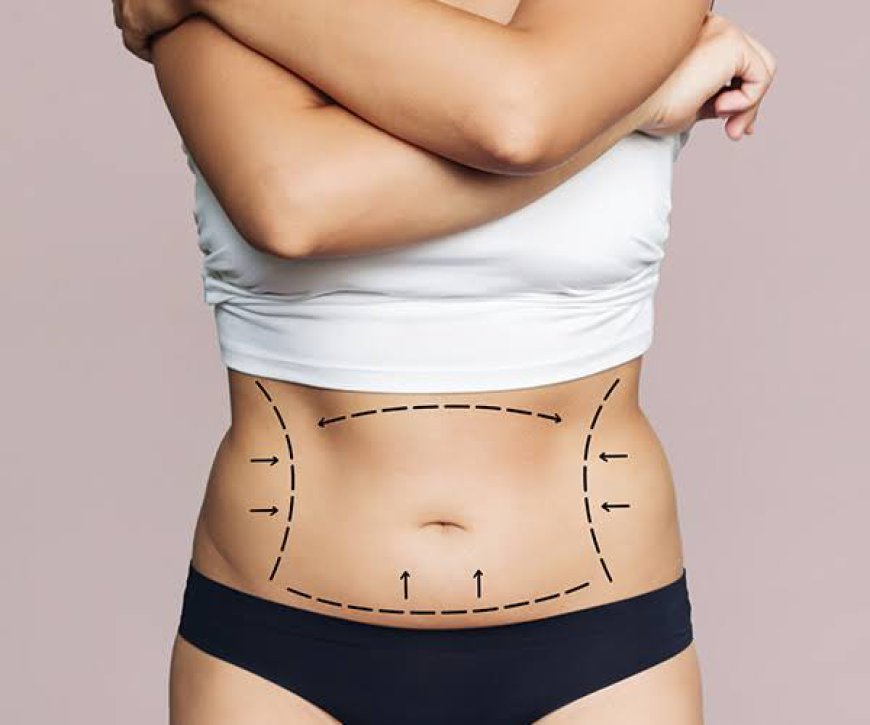
Obesity is a complex health condition that can affect metabolism, mobility, cardiovascular health, emotional well-being, and overall quality of life. It is not simply a matter of appearance or willpower. A combination of genetics, eating patterns, physical activity, sleep, hormones, medications, and other health factors can contribute to excessive weight gain. For individuals seeking Obesity treatment in Dubai, understanding the underlying causes of weight gain is an important first step toward achieving sustainable results.
Dr Barbara approaches weight management with a medical perspective focused on individual needs and long-term health. Rather than concentrating only on short-term changes on the weighing scale, a personalized assessment can help identify factors that may be contributing to obesity and determine an appropriate strategy for improving weight and general well-being.
Why Medical Obesity Treatment Can Be Important
Losing weight can be challenging when lifestyle changes alone do not produce sufficient or lasting results. People living with obesity may also experience conditions associated with excess weight, including high blood pressure, abnormal cholesterol levels, insulin resistance, type 2 diabetes, joint problems, and sleep-related breathing difficulties. Addressing weight concerns early can therefore support broader health goals.
Obesity treatment in Dubai under Dr Barbara can involve an individualized evaluation of medical history, current health status, lifestyle habits, nutritional patterns, and weight-related risks. This comprehensive approach helps ensure that treatment decisions are based on the person's health requirements rather than a one-size-fits-all program.
Personalized Assessment for Weight Management
A successful weight-management strategy begins with understanding the individual's circumstances. During a medical evaluation, Dr Barbara can consider factors such as body weight, body mass index, waist measurements, existing medical conditions, medications, dietary habits, physical activity, sleep, and previous attempts at weight loss.
This assessment can also help determine whether certain medical or lifestyle factors are making weight management more difficult. Depending on individual circumstances, additional examinations or laboratory assessments may be considered. The information obtained can then help establish realistic objectives and a structured approach to weight loss treatment in dubai.
Lifestyle Changes as a Foundation for Treatment
Healthy lifestyle habits remain an important part of long-term obesity management. Nutrition, movement, sleep, stress management, and daily routines can all influence weight and metabolic health. Sustainable changes are generally more valuable than restrictive approaches that are difficult to maintain.
With guidance from Dr Barbara, patients can work toward practical improvements in their eating and activity patterns. A balanced nutritional approach can emphasize appropriate portions, nutrient-rich foods, adequate protein and fiber, and sensible eating habits. Regular physical activity can also support energy expenditure, muscle health, cardiovascular fitness, and metabolic function.
The objective of weight loss treatment in Dubai is not simply to achieve rapid weight reduction. It is to establish healthier habits that can be maintained over time while supporting overall physical health.
Medical Approaches to Obesity Management
For some individuals, lifestyle modifications may not be enough to achieve meaningful or sustainable weight reduction. In such circumstances, medical weight-management options may be considered following an appropriate evaluation. Treatment should always be individualized according to medical history, health risks, expected benefits, and potential side effects.
Dr Barbara can assess whether a patient may benefit from medical interventions as part of a broader weight-management plan. Medical treatment is generally most effective when combined with appropriate nutrition, physical activity, behavioral strategies, and ongoing monitoring.
A medically supervised approach to Obesity treatment in Dubai can also help patients understand realistic expectations. Weight reduction may occur gradually, and maintaining progress is often an important part of the overall treatment process.
Monitoring Progress for Sustainable Results
Long-term weight management requires more than an initial treatment plan. Regular monitoring can help evaluate progress, identify challenges, and make appropriate adjustments when necessary. Changes in weight, waist measurements, lifestyle habits, metabolic health, and general well-being can all provide useful information.
Dr Barbara emphasizes an individualized approach in which treatment can evolve according to the patient's response. If progress slows or circumstances change, the strategy may need to be reviewed. This ongoing medical supervision can help patients remain focused on sustainable health improvements rather than temporary weight changes.
The Importance of Long-Term Weight Maintenance
One of the most important aspects of weight loss treatment in Dubai is maintaining results after initial weight reduction. Returning to previous eating habits, reduced physical activity, chronic stress, inadequate sleep, or other factors can contribute to weight regain.
For this reason, long-term weight management should include realistic lifestyle habits and continued attention to overall health. Patients working with Dr Barbara can focus on developing routines that fit their everyday lives. Sustainable weight management is more likely when changes are practical, flexible, and compatible with individual preferences and circumstances.
When to Consider Obesity Treatment
Individuals may consider professional Obesity treatment in Dubai when excess weight is affecting their physical health, mobility, confidence, or daily activities, particularly when previous attempts at weight loss have not produced lasting results. Medical guidance can be especially valuable when obesity occurs alongside other health concerns.
Seeking professional support does not mean that a person has failed to manage their weight independently. Obesity can involve biological and environmental factors that make weight reduction difficult. Medical evaluation can provide a structured path toward healthier weight management.
FAQs About Obesity Treatment in Dubai
What does Obesity treatment in Dubai involve?
Obesity treatment in Dubai can involve a personalized medical assessment, lifestyle guidance, nutritional improvements, physical activity recommendations, monitoring, and, when medically appropriate, additional treatment options. Dr Barbara can develop an approach according to the individual's health status and weight-management needs.
Is weight loss treatment in Dubai suitable for everyone?
The most appropriate form of weight loss treatment in Dubai varies from person to person. Factors such as current weight, medical history, existing conditions, medications, lifestyle, and previous weight-loss efforts can influence treatment decisions. A medical assessment is important before beginning any structured treatment program.
How long does obesity treatment take?
There is no single timeframe that applies to everyone. Sustainable weight management generally requires ongoing commitment and monitoring. Dr Barbara can help establish realistic goals and review progress over time rather than focusing exclusively on rapid weight reduction.
Can lifestyle changes help with obesity management?
Yes. Nutrition, regular physical activity, sufficient sleep, and healthier daily routines are important components of long-term weight management. Depending on the individual's needs, these measures may be combined with medically supervised treatment.
Why is medical supervision important for weight management?
Medical supervision can help identify underlying health factors, assess potential risks, monitor progress, and ensure that treatment remains appropriate. It also allows the weight-management strategy to be adjusted when necessary.
Conclusion
Long-term obesity management requires a comprehensive approach that considers both weight and overall health. Obesity treatment in Dubai should focus on sustainable improvements rather than temporary results, while weight loss treatment in Dubai can provide structured support for individuals who need additional medical guidance.
With personalized assessment, lifestyle modification, appropriate medical strategies, and continued monitoring, Dr Barbara provides a health-focused approach to weight management. The ultimate goal is to support healthier weight, improved well-being, and sustainable habits that can contribute to better long-term health.