Osteoarthritis Treatment Options: From Lifestyle Changes to Advanced Therapies
Explore effective osteoarthritis treatment options, from lifestyle changes and physical therapy to medications and advanced therapies for lasting joint pain relief.
 newpost21
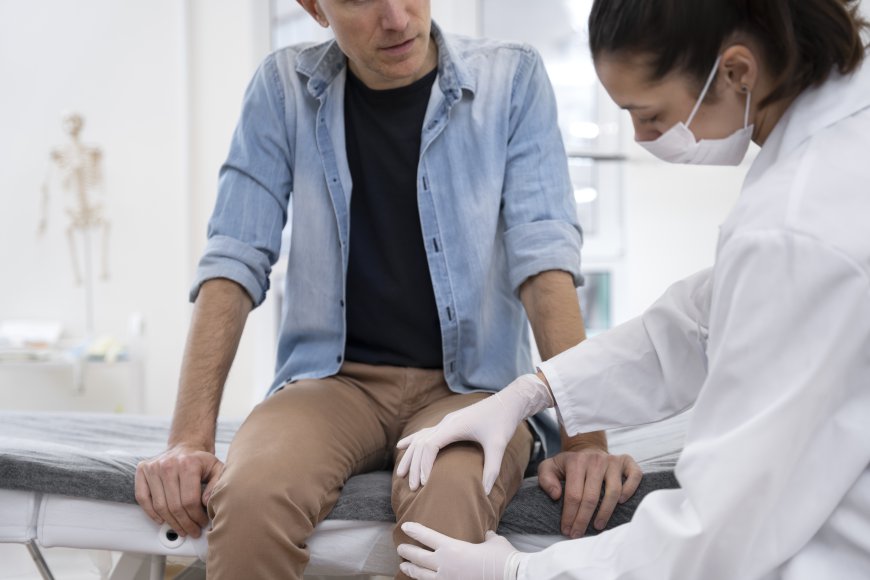
Joint pain can slowly change the way you live. A morning walk may become uncomfortable, climbing stairs may require more effort, and everyday movements such as standing up or bending down may cause stiffness. For people living with osteoarthritis, finding the right approach to managing these symptoms is often a priority.
The good news is that osteoarthritis management does not always depend on one treatment. Several approaches can help reduce pain, improve mobility, strengthen the muscles surrounding affected joints, and make everyday activities easier. Understanding different osteoarthritis treatment options can help individuals make informed decisions about their joint health.
From exercise and weight management to physical therapy, medications, injections, and surgery, treatment can be tailored according to the severity of symptoms and the joint involved.
What Is Osteoarthritis?
Osteoarthritis is a chronic joint condition that develops when the tissues within a joint gradually change and deteriorate. Cartilage, which provides a smooth surface between bones, can become thinner or damaged over time.
As the joint changes, movement may become less comfortable. In addition to cartilage changes, osteoarthritis can involve the surrounding bone, joint lining, muscles, and other tissues.
Osteoarthritis commonly affects:
-
Knees
-
Hips
-
Hands
-
Fingers
-
Spine
-
Feet
Symptoms can range from mild stiffness to significant pain and mobility limitations.
What Are the Common Symptoms?
Osteoarthritis symptoms can develop gradually. Some people initially notice discomfort only after physical activity, while others may experience symptoms during everyday movements.
Common symptoms include:
-
Joint pain
-
Stiffness after periods of inactivity
-
Tenderness
-
Swelling
-
Reduced flexibility
-
Difficulty moving a joint
-
Grinding or clicking sensations
-
Muscle weakness around the joint
Symptoms may fluctuate. Some days may be relatively comfortable, while other days may involve increased pain and stiffness.
Osteoarthritis Treatment Options to Consider
There is no universal treatment plan for everyone with osteoarthritis. A healthcare professional may recommend different approaches based on symptoms, affected joints, lifestyle, age, medical history, and treatment goals.
1. Exercise and Physical Activity
Regular physical activity is one of the foundations of osteoarthritis management.
Although moving a painful joint may initially seem counterproductive, appropriate exercise can help maintain mobility and strengthen muscles that support the joint.
Low-impact activities may include:
-
Walking
-
Swimming
-
Water exercises
-
Cycling
-
Stretching
-
Strength training
-
Balance exercises
The key is choosing activities that are appropriate for the affected joint and gradually building endurance.
Exercise should not be viewed as something that must be done only when pain is absent. Instead, a carefully designed activity program can become an important part of long-term joint care.
2. Physical Therapy
Physical therapy can help people learn how to move safely and efficiently while improving strength and flexibility.
A physical therapist may evaluate:
-
Joint movement
-
Muscle strength
-
Balance
-
Walking patterns
-
Flexibility
-
Functional limitations
The therapist can then develop a personalized exercise program.
For knee osteoarthritis, strengthening the muscles around the knee and hip may help improve stability and movement. For hand osteoarthritis, specific exercises may help maintain flexibility and function.
Physical therapy can therefore be an important component of osteoarthritis treatment, particularly when stiffness or weakness affects daily activities.
3. Weight Management
Weight management can be particularly important for people with osteoarthritis affecting weight-bearing joints.
The knees, hips, and feet carry much of the body's weight during standing and movement. Excess body weight can increase mechanical stress on these joints.
A gradual approach to weight management may include:
-
Balanced nutrition
-
Appropriate physical activity
-
Portion awareness
-
Adequate hydration
-
Consistent lifestyle habits
Weight management is not about achieving rapid results. Sustainable changes are generally easier to maintain over time.
4. Stretching and Flexibility Exercises
Stiff joints can make ordinary movements difficult. Gentle stretching and range-of-motion exercises can help maintain flexibility.
Examples may include:
-
Gentle knee bends
-
Leg stretches
-
Hand and finger movements
-
Hip mobility exercises
-
Gentle ankle movements
Exercises should be performed within a comfortable range and adjusted if they increase pain significantly.
5. Heat and Cold Therapy
Heat and cold are simple approaches that some people use to manage osteoarthritis symptoms.
Heat may help relieve stiffness and relax surrounding muscles. It can be particularly useful before physical activity.
Cold therapy may help temporarily reduce pain and swelling, particularly after activity.
Neither approach treats the underlying cause of osteoarthritis, but both may provide temporary symptom relief when used appropriately.
6. Pain-Relief Medications
Medications may be considered when lifestyle changes and exercise do not provide sufficient symptom relief.
Depending on the situation, treatment may include topical or oral pain-relieving medications. Some medicines may have potential side effects or may not be suitable for people with certain medical conditions.
For this reason, medication should be selected with consideration of the individual's health history and other medicines they may be taking.
Long-term medication use should be discussed with a healthcare professional rather than managed without guidance.
7. Assistive Devices
Certain devices may help reduce stress on painful joints and improve mobility.
Examples include:
-
Canes
-
Braces
-
Orthotic supports
-
Walking aids
-
Specialized footwear
The right device depends on the affected joint and the individual's mobility needs.
Using a device incorrectly may sometimes create additional strain, so professional guidance can be helpful when selecting and using supportive equipment.
8. Joint Injections
For people with persistent symptoms, a healthcare professional may sometimes recommend an injection into the affected joint.
Depending on the circumstances, different types of injections may be considered. Their potential benefits, limitations, and risks vary.
Injections may provide temporary symptom relief for some individuals, but they are not necessarily a permanent solution for osteoarthritis.
A healthcare professional can determine whether this approach is appropriate after reviewing symptoms, medical history, and previous treatment.
Advanced Osteoarthritis Treatment Options
When osteoarthritis becomes more advanced, additional approaches may be considered.
Regenerative or Biologic Approaches
Various regenerative or biologic therapies have been investigated for joint conditions. However, evidence and recommendations can vary significantly depending on the specific treatment and condition.
People considering these options should discuss the potential benefits, risks, costs, and available scientific evidence with a qualified healthcare professional.
It is important to distinguish established treatments from therapies that remain under investigation.
Surgical Treatment
Surgery may be considered when osteoarthritis causes significant pain and disability despite appropriate nonsurgical management.
Joint replacement is commonly considered for severe osteoarthritis affecting joints such as the knee or hip.
The decision to undergo surgery depends on several factors, including:
-
Severity of pain
-
Functional limitations
-
Imaging findings
-
Response to nonsurgical treatment
-
General health
-
Personal goals
Surgery is not automatically necessary simply because osteoarthritis is present.
Lifestyle Changes That Support Joint Health
Medical treatment is only one part of long-term osteoarthritis management. Daily habits can also influence mobility and comfort.
Stay Active
Avoiding movement completely may lead to muscle weakness and increased stiffness. Regular, appropriate activity can support joint function.
Maintain Muscle Strength
Strong muscles around a joint can provide support and improve physical function.
Maintain a Healthy Weight
A healthy weight may reduce stress on weight-bearing joints.
Take Breaks During Repetitive Activities
If work or hobbies involve repetitive movements, taking regular breaks may help reduce joint strain.
Use Proper Body Mechanics
Learning appropriate techniques for lifting, bending, and other activities may help minimize unnecessary stress on joints.
Prioritize Sleep
Pain and stiffness can interfere with sleep, while poor sleep may make pain feel more difficult to manage. Establishing healthy sleep habits can support overall well-being.
Can Osteoarthritis Treatment Prevent the Condition From Getting Worse?
Treatment cannot guarantee that osteoarthritis will stop progressing. However, appropriate management can help control symptoms and preserve physical function.
Exercise, weight management, physical therapy, and other interventions can help people remain active and maintain strength.
Early attention to symptoms may also provide an opportunity to address modifiable risk factors and develop a long-term management plan.
How Is Treatment Different for Different Joints?
The affected joint plays an important role in determining treatment.
Knee Osteoarthritis
Management may include strengthening exercises, weight management, physical therapy, medications, braces, injections, and, in severe cases, knee replacement.
Hip Osteoarthritis
Treatment may focus on maintaining mobility, strengthening surrounding muscles, weight management, pain management, and physical therapy. Severe cases may eventually require hip replacement.
Hand Osteoarthritis
Treatment may include hand exercises, activity modification, heat therapy, supportive splints, and pain management.
Spine Osteoarthritis
Management may involve posture improvement, physical therapy, strengthening exercises, appropriate activity, and pain management.
Because each joint has different movement patterns and mechanical demands, treatment should be individualized.
When Should You Seek Professional Help?
Joint pain should not automatically be attributed to aging. Several conditions can cause similar symptoms, and accurate diagnosis is important.
Consider seeking professional evaluation if you experience:
-
Persistent joint pain
-
Increasing stiffness
-
Recurrent swelling
-
Difficulty walking
-
Reduced range of motion
-
Pain that interferes with sleep
-
Difficulty performing daily activities
-
Symptoms that continue despite self-care
Sudden severe pain, significant swelling, inability to use a joint, or symptoms following a major injury may require prompt medical evaluation.
Frequently Asked Questions About Osteoarthritis Treatment
1. What is the best osteoarthritis treatment?
The most appropriate treatment depends on the affected joint, symptom severity, overall health, and individual goals. Exercise, physical therapy, weight management, medications, and other approaches may be combined.
2. Can osteoarthritis be treated without surgery?
Yes. Many people manage osteoarthritis with nonsurgical approaches such as physical therapy, exercise, weight management, lifestyle changes, medications, and supportive devices.
3. Is walking good for osteoarthritis?
Walking may be beneficial for many people because it is a relatively low-impact activity. However, the appropriate duration and intensity depend on individual symptoms.
4. Can physical therapy help osteoarthritis?
Physical therapy can help improve muscle strength, flexibility, range of motion, balance, and functional movement.
5. Does losing weight help joint pain?
For people with excess body weight, weight loss may reduce mechanical stress on weight-bearing joints and potentially improve mobility and pain.
6. Are medications required for osteoarthritis?
Not everyone with osteoarthritis needs medication. Some people can manage symptoms through exercise, physical therapy, lifestyle changes, and other non-drug approaches. Medication may be considered when additional pain relief is needed.
7. When is surgery considered?
Surgery may be considered when osteoarthritis causes severe pain or significant functional limitations and other appropriate treatments have not provided adequate relief.
8. Can osteoarthritis go away on its own?
Osteoarthritis is a chronic condition, and its underlying joint changes generally do not disappear on their own. However, symptoms can fluctuate and may be managed through appropriate treatment.
9. What exercises are best for osteoarthritis?
Low-impact aerobic activities, strengthening exercises, stretching, flexibility work, and balance exercises may be useful. The best routine depends on the affected joint and individual abilities.
Conclusion
Osteoarthritis does not have to mean giving up physical activity or accepting constant joint pain. With the right combination of lifestyle changes, exercise, physical therapy, symptom management, and medical care, many people can improve mobility and maintain an active lifestyle.
The ideal osteoarthritis treatment plan is individualized. What works well for one person may not be appropriate for another, particularly when different joints or other health conditions are involved.
If joint pain, stiffness, or reduced mobility is affecting your everyday life, professional evaluation can help identify the underlying cause and determine which treatment options may be appropriate. Early and consistent management can be an important step toward protecting mobility and supporting long-term joint health.