Pavement Maintenance ROI Study: How Preventative Work Saves Over Ten Years
Learn how pavement maintenance improves ROI over ten years by lowering repair expenses and extending surface lifespan.
 armorasphalt
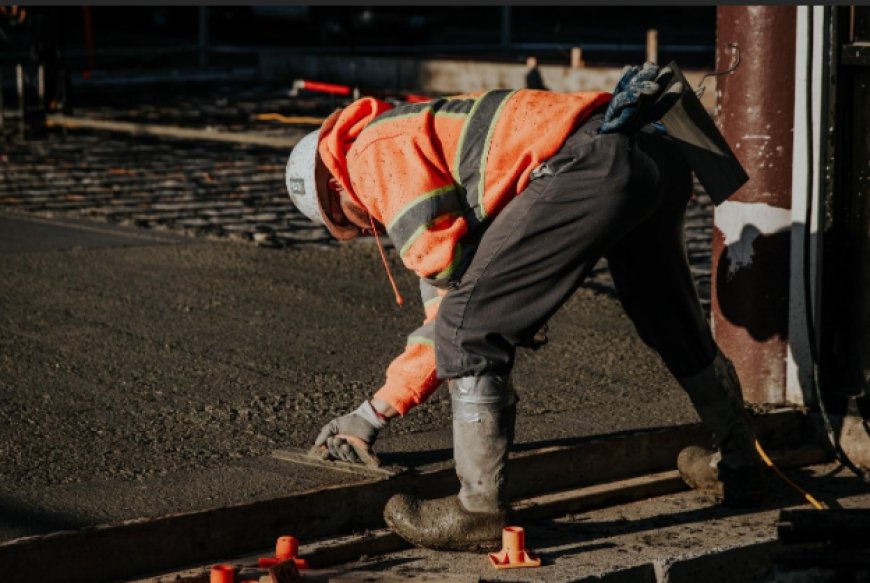
Most pavement failures do not start with a big crack or a visible pothole. They begin quietly, under the surface, when water and traffic slowly weaken the structure. Many property owners delay action because the pavement still “looks usable.” That delay often becomes the most expensive decision over time.
This pavement maintenance ROI study looks at what really happens when maintenance is planned early versus postponed. By focusing on a ten-year window, the numbers tell a clear story about cost control, asset life, and fewer disruptions.
Key Takeaways
-
Preventive maintenance reduces surprise repair costs by spreading expenses over time
-
Early surface protection slows the more serious structural damage
-
Pavement that is maintained on schedule lasts years longer
-
Emergency repairs usually cost more and disrupt operations
-
Long-term planning reduces safety and liability risks
Why Pavement Maintenance Planning Beats “Fix-It-Later” Repairs
Maintenance is often misunderstood as surface-level work only. In reality, it is about controlling how moisture, traffic load, and temperature changes affect the pavement structure over time. In parking lot paving, repeated vehicle stress combined with water intrusion speeds up deterioration when maintenance is delayed. Small surface openings allow water to reach the base layers, where damage becomes more complex and costly to repair.
A planned approach focuses on timing instead of reaction. Instead of waiting for visible failure, maintenance is done while the pavement still has structural strength. This keeps the base intact and avoids full-depth repairs later.
Cost Timing vs Cost Size
The difference between planned and reactive work is not just how much is spent, but when it is spent. That timing affects budgets in a few key ways:
-
Preventive pavement maintenance work is smaller and predictable
-
Reactive repairs are larger and often urgent
-
Delays shift costs from operating budgets to capital projects
-
Emergency scheduling increases labor and material costs, often tied to unplanned asphalt repair
By controlling timing, owners achieve better budget stability rather than dealing with sudden pavement failures.
10-Year ROI Breakdown: What the Numbers Really Show
To understand return on investment, it helps to look at a realistic scenario rather than abstract percentages. Consider a mid-size commercial parking lot exposed to regular traffic and seasonal weather changes, where consistent pavement maintenance decisions influence long-term outcomes.
Years 1–3: Protecting the Surface Early
During the first few years, the pavement is still structurally sound. The focus is on keeping water out before defects grow into conditions that require pothole repair.
Typical actions during this stage include crack sealing and surface treatments. These steps limit oxidation and prevent moisture from entering the pavement layers. Costs remain low because the work addresses only surface issues. The pavement stays flexible and resists early wear.
Years 4–6: Slowing Structural Decline
This phase separates well-maintained pavement from neglected pavement. When early protection is in place, surface wear progresses slowly and remains manageable for both larger paved areas and driveway paving. When maintenance is skipped, cracks widen, and water reaches the base.
At this stage, localized repairs may be needed for maintained pavement. For neglected pavement, base movement begins, leading to uneven areas and spreading damage. The cost gap between the two paths widens significantly.
Years 7–10: Avoiding Full Reconstruction
By year seven, the difference becomes clear. Pavement with a maintenance history usually needs targeted surface work to extend its usable life. Pavement without it often requires milling, resurfacing, or full reconstruction.
Reconstruction costs can be several times higher than cumulative maintenance spending. The ten-year total shows that preventative care delays major replacement and lowers overall investment.
Conclusion
Over the course of 10 years, pavement maintenance decisions shape both costs and performance. Preventative work keeps expenses predictable, limits structural damage, and extends pavement life without disruptive repairs. Reactive approaches often appear cheaper at first, but they compress costs into large, unavoidable projects later.
When pavement is treated as a long-term asset instead of a short-term expense, the return on investment becomes clear. Planned maintenance turns pavement care into a controlled process instead of a recurring emergency.
FAQs
How often should pavement be inspected for maintenance planning?
Annual inspections are recommended to track condition changes early and schedule maintenance before damage spreads into deeper pavement layers.
Is preventative maintenance for pavement that already has cracks valuable?
Yes. Addressing existing cracks early helps stop water intrusion and slows further deterioration when the base structure is still stable.
Does traffic volume affect pavement maintenance ROI?
Higher traffic increases stress, making regular maintenance more valuable by reducing wear-related damage and extending service life.
Can maintenance reduce long-term safety issues?
Consistent upkeep helps maintain even surfaces and proper drainage, lowering the risk of accidents and related liability over time.
Why is long-term planning better than one-time repairs?
Long-term planning spreads costs, avoids emergency work, and keeps pavement in usable condition instead of allowing sudden failure.