Pulmonologist in Jaipur Helps Patients Manage Chronic Chest and Lung Disorders
Chronic respiratory conditions differ from short term infections. They require continuous attention and structured management.
 breathclinic
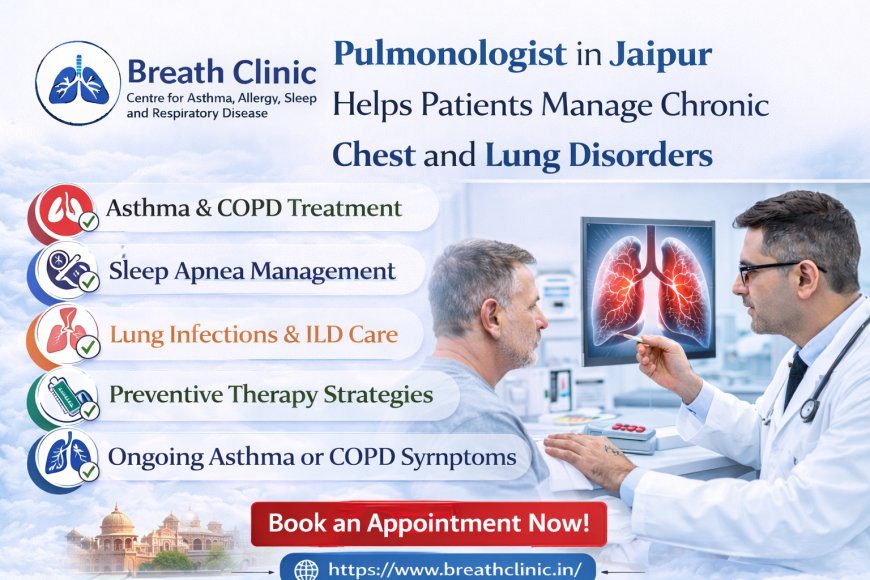
Chronic chest and lung disorders affect millions of people and often develop gradually over time. Many patients live with persistent breathlessness, chest discomfort, cough, or repeated infections without realizing that proper pulmonary care can significantly improve their condition. Consulting the Pulmonologist in Jaipur plays a crucial role in understanding these disorders, slowing disease progression, and improving long term respiratory health.
This article explains how chronic chest and lung disorders develop, how a pulmonologist supports long term management, and why specialized care is essential for patients facing ongoing respiratory challenges.
Understanding Chronic Chest and Lung Disorders in Daily Life
Chronic respiratory conditions differ from short term infections. They require continuous attention and structured management.
What Makes a Lung or Chest Condition Chronic
A condition is considered chronic when symptoms persist for months or years. These disorders may not completely disappear but can be controlled with the right approach.
Common characteristics include
• Persistent breathlessness
• Long lasting cough
• Chest tightness or discomfort
• Reduced physical stamina
• Recurrent respiratory infections
Ignoring these symptoms often leads to gradual worsening.
Why Chronic Disorders Need Specialist Care
General treatment may provide temporary relief but does not address underlying lung changes. A pulmonologist focuses on long term control, preventing further damage and preserving lung function.
Early Identification of Chronic Respiratory Problems
Early recognition allows better disease control.
Symptoms That Often Go Unnoticed
Many patients normalize symptoms such as mild breathlessness or frequent coughing. Over time these symptoms become part of daily life, delaying proper diagnosis.
Importance of Timely Evaluation
The Best Pulmonologist in Jaipur evaluates symptoms in detail, identifying patterns that indicate chronic disease rather than temporary illness.
Role of Accurate Diagnosis in Chronic Lung Management
Effective management begins with clarity.
Comprehensive Clinical Assessment
Diagnosis involves detailed discussion of symptoms, lifestyle habits, occupational exposure, and environmental factors. This helps identify triggers and progression risks.
Diagnostic Tools Used in Evaluation
Pulmonary assessment may include
• Lung function testing to measure airflow
• Oxygen level monitoring
• Imaging when necessary
• Assessment of response to previous treatments
These steps ensure accurate understanding of the condition.
Structured Approach to Managing Chronic Chest Disorders
Chronic conditions require an organized plan rather than occasional treatment.
Personalized Management Plans
Each patient experiences symptoms differently. Management plans are customized based on disease severity, lifestyle, and daily activity needs.
Focus on Disease Control Rather Than Cure
The goal is to reduce symptoms, prevent flare ups, and maintain stable lung function over time.
Symptom Based Management Strategies
Different symptoms require specific attention.
Managing Persistent Breathlessness
Breathlessness management focuses on improving airflow, reducing inflammation, and enhancing breathing efficiency. Patients are guided on pacing activities to reduce strain.
Controlling Chronic Cough
Cough management includes identifying triggers, reducing airway irritation, and monitoring changes in cough patterns over time.
Monitoring Progress Through Regular Follow Ups
Ongoing monitoring is essential in chronic conditions.
Why Regular Reviews Matter
Lung conditions can change gradually. Regular follow ups help detect early signs of worsening and allow timely adjustments.
Tracking Improvement and Stability
Progress is measured using
• Symptom frequency and severity
• Lung function trends
• Daily activity tolerance
• Sleep quality
This ensures consistent control.
Preventing Disease Exacerbations
Sudden worsening episodes are common in chronic lung disorders.
Identifying Early Warning Signals
Patients are educated to recognize early signs such as increased breathlessness, chest tightness, or changes in sputum.
Action Plans for Symptom Worsening
Clear instructions help patients respond promptly, reducing the need for emergency care.
Patient Education as a Core Component of Care
Education empowers patients to participate actively in their health.
Understanding the Condition
Patients learn about their specific disorder, expected progression, and factors that influence symptoms.
Correct Use of Treatment Measures
Proper technique and adherence improve treatment effectiveness and prevent unnecessary complications.
Lifestyle Modifications for Long Term Lung Health
Daily habits significantly influence respiratory health.
Key lifestyle areas addressed include
• Avoiding exposure to smoke and pollutants
• Managing physical activity within safe limits
• Maintaining proper hydration
• Practicing breathing exercises
• Reducing infection risk through hygiene
These changes support medical management.
Impact of Chronic Lung Disorders on Mental Wellbeing
Breathing difficulty affects emotional health.
Addressing Anxiety Related to Breathing
Chronic breathlessness can cause fear and stress. Clear explanations and reassurance help reduce anxiety.
Improving Confidence in Daily Activities
As symptoms stabilize, patients regain confidence in work, travel, and social interactions.
Long Term Benefits of Specialist Pulmonary Care
Consistent care improves outcomes.
Preservation of Lung Function
Early and ongoing management slows disease progression and protects remaining lung capacity.
Better Quality of Life
Patients experience fewer symptoms, better sleep, and improved physical endurance.
Differences Between Temporary Relief and Long Term Control
Many patients rely on quick relief methods.
Limitations of Temporary Measures
Short term relief does not prevent disease progression and may mask worsening symptoms.
Importance of Long Term Management
The Best Pulmonologist in Jaipur focuses on sustained control rather than repeated temporary fixes.
Role of Environmental Awareness in Chronic Lung Care
Environmental factors significantly impact symptoms.
Managing Exposure Risks
Patients receive guidance on reducing exposure to dust, pollution, allergens, and occupational irritants.
Seasonal Considerations
Preventive strategies are discussed for weather changes that may trigger symptoms.
Building a Long Term Doctor Patient Relationship
Chronic conditions require continuity of care.
Trust and Communication
Open communication allows better understanding of symptoms and treatment response.
Adjusting Care Over Time
Management evolves based on patient needs, age, and lifestyle changes.
When Chronic Chest Symptoms Require Re Evaluation
Certain changes indicate the need for reassessment.
Consultation should be sought if
• Symptoms suddenly worsen
• New chest discomfort develops
• Infections become more frequent
• Sleep is increasingly disturbed
• Physical activity tolerance declines
Timely review prevents complications.
Preventing Hospitalizations Through Proactive Care
Proactive management reduces emergencies.
Early Intervention Strategies
Addressing minor changes early prevents severe flare ups.
Reduced Healthcare Burden
Stable disease control lowers the need for hospital visits and intensive treatment.
Importance of Consistency in Chronic Lung Management
Consistency determines outcomes.
Adherence to Follow Ups
Regular assessments ensure sustained disease control.
Commitment to Lifestyle Changes
Small daily efforts produce long term benefits.
Conclusion
Managing chronic chest and lung disorders requires expertise, consistency, and patient involvement. Early diagnosis, personalized treatment plans, regular monitoring, and lifestyle guidance together help patients maintain stable breathing and improved quality of life. Consulting the Best Pulmonologist in Jaipur ensures that chronic respiratory conditions are managed with a structured and long term approach rather than temporary relief. For individuals seeking dedicated support for ongoing lung health, Breath Clinic remains committed to providing patient centered pulmonary care focused on long lasting respiratory wellbeing.