Sell Post Office Building Assets the Right Way: A Complete Guide for USPS Property Owners
Ready to sell post office building assets? This guide covers valuation, qualified buyers, lease considerations, and how to exit your postal property efficiently.
 lisamarcus
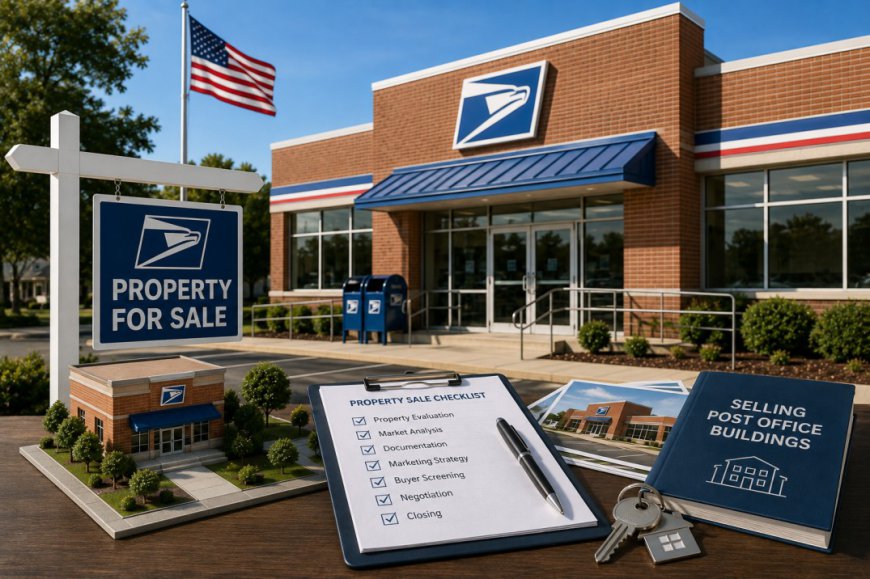
The decision to sell post office building assets is one that more private landlords are facing today than at any previous point in the postal property market's history. Whether the motivation is estate planning, portfolio rebalancing, or simply converting a long-held illiquid asset into accessible capital, the process of deciding to sell post office building holdings requires a working knowledge of how this specific market operates before any conversations with buyers begin.
The United States Postal Service leases a large share of its national facility network from private owners, many of whom acquired these properties decades ago with limited awareness of how a future sale process would unfold. The transaction market has matured significantly since then. Qualified institutional buyers, dedicated postal property acquisition platforms, and publicly traded vehicles now compete actively for the same assets that local investors once purchased without any organized market framework around them.
Why Demand for Postal Properties Has Strengthened Among Serious Buyers
The broader commercial real estate environment has worked in favor of postal property sellers in recent years. Income-focused buyers have moved away from asset categories with structural demand uncertainty, including office and certain segments of retail, and toward net-lease properties anchored by tenants whose operational continuity is not dependent on economic cycle performance. USPS-leased buildings fit that profile precisely, and qualified buyer interest has expanded accordingly.
The federal tenancy that defines this asset category carries a credit foundation that most commercial real estate segments cannot offer. The USPS operates under a statutory mandate to deliver mail and packages to every address in the country, which means its occupancy of leased facilities is driven by operational necessity rather than discretionary business decisions. For buyers building income portfolios, that distinction translates directly into underwriting confidence, which in turn supports more competitive pricing for sellers.
The maturation of the buyer pool has also improved the transaction experience for sellers. Professional acquisition platforms with dedicated postal property expertise have replaced the fragmented local buyer market that once dominated this niche. Sellers today have access to counterparties who understand USPS lease structures, government approval processes, and the operational context of specific facility types, which reduces the friction and timeline uncertainty that has historically complicated these transactions.
What Drives the Value of a USPS-Leased Building From a Buyer's Perspective
Sellers who understand the buyer's underwriting framework are better positioned to present their asset accurately and negotiate from a place of knowledge. The remaining lease term is typically the single most influential variable in how a buyer prices a postal property. Buildings with longer remaining terms under active USPS leases command stronger pricing because they offer immediate, visible income without near-term renewal risk. Sellers whose leases are approaching expiration may benefit from waiting until after a renewal is secured before bringing the asset to market.
Facility type and geographic positioning also affect buyer interest within this category. Last-mile delivery offices serving dense population corridors tend to attract more competitive pricing than facilities with less clearly defined operational roles within the USPS network. Sellers who can articulate where their property fits within the postal service's delivery infrastructure are providing buyers with context that reduces underwriting uncertainty and supports a stronger offer.
Physical property condition matters more than some sellers anticipate going into a transaction. Buildings that have been consistently maintained and that align with current USPS operational requirements are more straightforward for buyers to underwrite and finance. Sellers who address deferred maintenance before entering the market are less likely to encounter value adjustments during due diligence that reduce the final proceeds below initial expectations.
How Postal Realty Trust Creates a Distinct Option for Sellers
Understanding the acquisition approach of Postal Realty Trust is practically useful for any owner evaluating how to sell post office building assets. Postal Realty Trust (NYSE: PSTL), established May 2019, is the first and only publicly traded REIT focused exclusively on USPS-leased properties. The company has built its national portfolio primarily through acquisitions from private owners, and it has developed a transaction process specifically designed to address the considerations that make postal property sales complex for sellers without experienced counterparties.
One of the most seller-relevant features of working with Postal Realty Trust is the availability of operating partnership unit transactions. This structure allows qualifying sellers to exchange their postal property for units in the REIT's operating partnership rather than receiving an immediate cash payment, which can provide meaningful tax efficiency for owners who would otherwise face significant capital gains exposure on a direct sale. This is a transaction mechanism that generalist commercial real estate buyers are not positioned to offer, and it represents a structural advantage worth evaluating carefully with a qualified tax advisor before deciding on a transaction approach.
Postal Realty Trust has also accumulated institutional knowledge in USPS lease assignment requirements, government notification processes, and the facility-level implications of the federal postal modernization agenda. For sellers, working with a buyer that already understands these dimensions of the transaction reduces execution risk, shortens due diligence timelines, and minimizes the likelihood of deal complications that arise when buyers encounter the USPS lease framework for the first time during a transaction.
Risk Factors Every Seller Should Understand Before Entering the Market
A candid assessment of this market requires acknowledging the factors that can affect transaction outcomes in ways sellers do not always anticipate. The USPS retains statutory termination rights on its leases, a provision that differs from standard commercial net-lease language and that affects how buyers model risk and residual value. Sellers should understand this feature because it influences the cap rates buyers apply when making offers, and it will surface in any serious due diligence process regardless of how well the property has performed historically.
The broader financial condition of the USPS is a variable that qualified buyers track actively, and sellers should be prepared for it to appear in underwriting conversations. Policy developments affecting the postal service, including legislative changes to funding obligations or operational mandates, can influence buyer sentiment and affect transaction timing in ways that are difficult to predict. Sellers who maintain awareness of the USPS policy environment are better prepared to engage these conversations productively rather than reactively.
Lease-specific details also carry more weight in postal property transactions than in conventional commercial real estate sales. The specific renewal options, rent escalation provisions, and any prior amendments to the original lease document all affect how a buyer underwrites the income stream. Sellers who assemble complete lease documentation before entering the market reduce the risk of due diligence delays that can affect both timeline and pricing.
Taking the Next Step to Sell Post Office Building Assets With Confidence
The postal property market has developed into a transaction environment that genuinely serves prepared sellers. Demand from qualified institutional buyers has strengthened, dedicated acquisition platforms have streamlined the process, and the availability of tax-efficient transaction structures has expanded the range of exit options available to private owners. For landlords who have held USPS-leased buildings as long-term income assets, today's market offers more organized pathways to liquidity than most of those owners originally anticipated when they first acquired these properties.
The decision to sell post office building assets is most productive when it is approached with accurate information about lease positioning, buyer underwriting priorities, and available transaction structures. Owners who enter the market with that foundation in place are far better equipped to achieve outcomes that reflect the genuine income quality and government-backed stability of what they own.
Postal property owners who want to explore acquisition options, learn more about the operating partnership unit transaction structure, or understand how their specific asset fits within the current buyer landscape can begin that process at postalrealtytrust