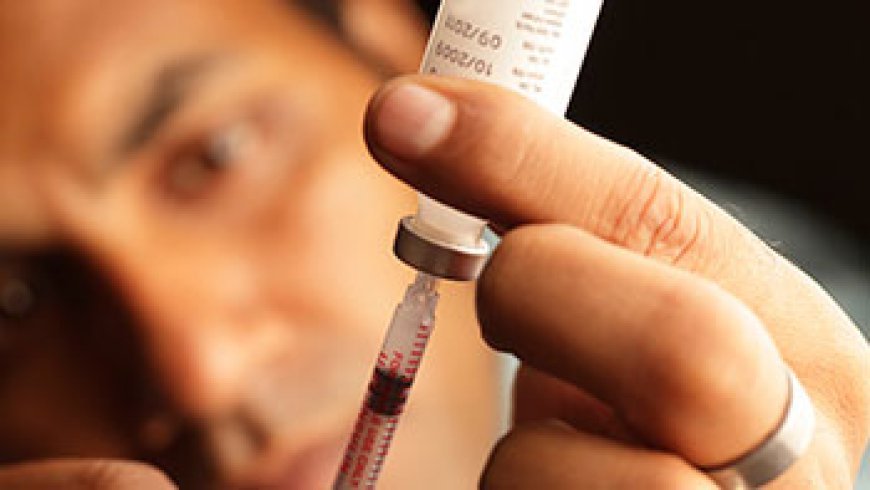
Short-Acting Insulin Market: Size, Trends, Growth, and Strategic Insights
The short-acting insulin market is estimated to be valued at USD 10.00 Bn in 2025 and is expected to reach USD 14.35 Bn by 2032, growing at a compound annual growth rate (CAGR) of 5.3% from 2025 to 2032.
 coherentmarket
The short-acting insulin industry is rapidly evolving with innovation in formulation and delivery methods driving renewed interest and investment. Healthcare providers and patients are increasingly focused on optimizing glycemic control with faster-acting analogues, leading to significant business growth opportunities in this sector aligned with rising diabetes prevalence worldwide.
Market Size and Overview
The short-acting insulin market is estimated to be valued at USD 10.00 Bn in 2025 and is expected to reach USD 14.35 Bn by 2032, growing at a compound annual growth rate (CAGR) of 5.3% from 2025 to 2032.
This Short-Acting Insulin Market Growth is fueled by advancements in insulin analogues, increasing global diabetes burden, and expanding healthcare infrastructure, particularly in emerging economies. The market report highlights sustained investment in R&D and rising patient awareness as critical market drivers supporting steady market revenue expansion through the forecast period.
Market Segments
The short-acting insulin market is broadly segmented by product type, end user, and distribution channel:
- Product Type: Human short-acting insulin, insulin analogues (rapid-acting). Among these, insulin analogues dominate due to improved pharmacokinetics and patient compliance, with rapid-acting formulations showing the fastest growth, exemplified by launch successes and adoption surges in 2024–2025.
- End Users: Hospitals, clinics, and home care settings. Home care has witnessed accelerated growth propelled by telemedicine and self-administration trends during 2024, addressing market opportunities for more personalized diabetes management.
- Distribution Channel: Retail pharmacies, hospital pharmacies, and online platforms, with online channels expanding rapidly post-2024 driven by increasing digital healthcare integration and e-pharmacy penetration.
Market Drivers
One key market driver is the regulatory support encouraging biosimilar rapid-acting insulin approvals, evidenced by multiple endorsements from agencies in 2024 that contributed to an increase in market revenue by lowering treatment costs and expanding access. This regulatory momentum has intensified market growth, expanded market scope, and reduced market restraints related to affordability issues, thereby fueling broader industry size expansion in both developed and emerging markets.
Segment Analysis
Focusing on the product type segment, insulin analogues hold a dominant industry share in 2025, driven primarily by innovations such as faster onset of action and improved stability profiles. The fastest-growing sub-segment within insulin analogues includes ultra-rapid-acting insulins, supported by trials in 2024 demonstrating improved postprandial glucose control and improved patient adherence. For example, enhanced formulations launched by key players have shown 15% better glycemic index control over standard short-acting insulins, reinforcing their revenue contribution and market dynamics.
Consumer Behaviour Insights
Recent market insights reveal shifts in patient preferences towards digital adherence tools and customized insulin therapies aiming for flexible dosing schedules, reported in multiple 2024 patient feedback studies. Pricing sensitivity remains notable in emerging markets, prompting market players to offer tiered pricing and patient assistance programs. Sustainability concerns have gradually influenced purchaser behavior, with rising demand for eco-friendly insulin delivery devices and packaging, observed in 2025 surveys among healthcare providers and consumers.
Key Players
Notable market players include Eli Lilly and Company, Novo Nordisk, Sanofi, Biocon, and Adocia. In 2024 and 2025, these companies undertook extensive market growth strategies such as new product launches of next-generation rapid-acting insulins, capacity expansions in biologics manufacturing, and regional market entries focused on Asia-Pacific and Latin America. For instance, Novo Nordisk’s launch of an ultra-rapid-acting insulin analogue in early 2025 significantly enhanced its short-acting insulin market revenue and industry share. Sanofi expanded production capabilities, improving supply chain efficiency and market access.
Key Winning Strategies Adopted by Market Players
One standout growth strategy was Eli Lilly's 2024 integration of AI-driven personalized dosing platforms aligned with its short-acting insulin portfolio, which enhanced patient-centric business growth by improving treatment adherence and glycemic outcomes. Another impactful strategy was Biocon’s strategic partnership in 2025 to outsource manufacturing of biosimilar insulin analogues, reducing time-to-market and operational costs, boosting market opportunities in price-sensitive regions. Adocia’s modular drug-delivery device innovation adopted in 2024 uniquely addressed patient customization demands, positively impacting market revenue and consumer satisfaction.
FAQs
1. Who are the dominant players in the Short-Acting Insulin Market?
Eli Lilly and Company, Novo Nordisk, Sanofi, Biocon, and Adocia are leading companies shaping the short-acting insulin market through product innovation, capacity expansions, and regional growth initiatives in 2024 and 2025.
2. What will be the size of the Short-Acting Insulin Market in the coming years?
The market size is projected to grow from USD 10.00 billion in 2026 to USD 14.35 billion by 2032, reflecting a CAGR of 5.0%, driven by rising diabetes prevalence and advancements in insulin formulations.
3. Which end-user sector has the largest growth opportunity?
Home care settings demonstrate the largest growth opportunity, enabled by telemedicine adoption and patient demand for self-administered, convenient insulin therapies during 2024–2025.
4. How will market development trends evolve over the next five years?
Market trends indicate increasing integration of technology-enabled personalized insulin dosing, expansion of biosimilar insulin analogues, and growth in digital healthcare platforms supporting insulin management.
5. What is the nature of the competitive landscape and challenges in the Short-Acting Insulin Market?
The competitive landscape involves innovation-driven rivalry with focus on improving insulin pharmacodynamics and delivery. Challenges include pricing pressures, regulatory hurdles in biosimilar approvals, and patient adherence issues.
6. What go-to-market strategies are commonly adopted in the Short-Acting Insulin Market?
Key strategies encompass product innovation, strategic partnerships for manufacturing and distribution, integration of digital health tools, and expansion into emerging regional markets with tailored pricing and support programs.
‣ Get more insights on : Short-Acting Insulin Market
‣ Get this Report in Japanese Language: 速効型インスリン市場
‣ Get this Report in Korean Language: 단기작용인슐린시장
‣ Read More Related Articles : Nutrigenomics: How Science is Revolutionizing Nutrition Industry
Author Bio:
Vipul Patil is a dynamic management consultant with 6 years of dedicated experience in the pharmaceutical industry. Known for his analytical acumen and strategic insight, Vipul has successfully partnered with pharmaceutical companies to enhance operational efficiency, cross broader expansion, and navigate the complexities of distribution in markets with high revenue potential.