SSL Certificates & HTTPS Protocols
The Role of SSL/TLS Encryption: Securing Data and Boosting User Trust
 uk_77
uk_77
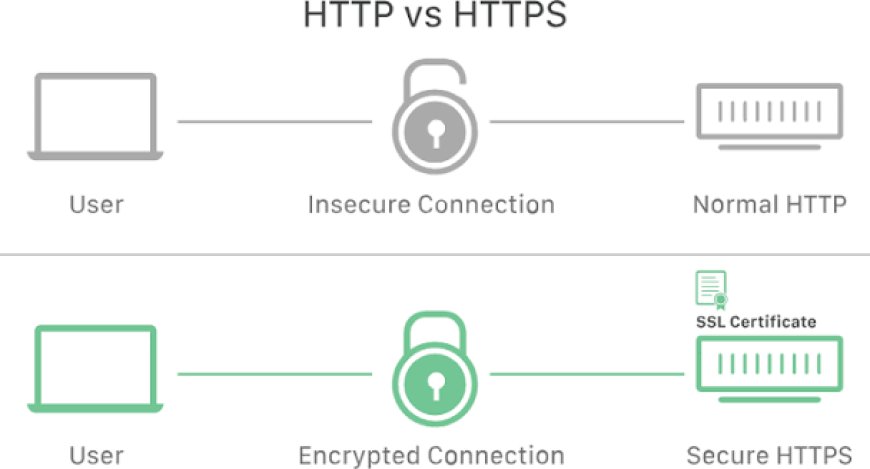
In today's cybersecurity landscape, serving website content over encrypted connections is no longer an optional luxury—it is a fundamental baseline requirement. Secure Sockets Layer (SSL) and its modern successor, Transport Layer Security (TLS), encrypt data transmitted between a visitor's web browser and the origin server. Without SSL encryption, login credentials, payment details, and personal communications are transmitted in plain text, leaving them vulnerable to interception.
Deploying domain protection alongside a valid
In this guide, we will break down how SSL/TLS certificates function, why search engines penalize unencrypted websites, and how HTTPS protocol adoption impacts brand trust.
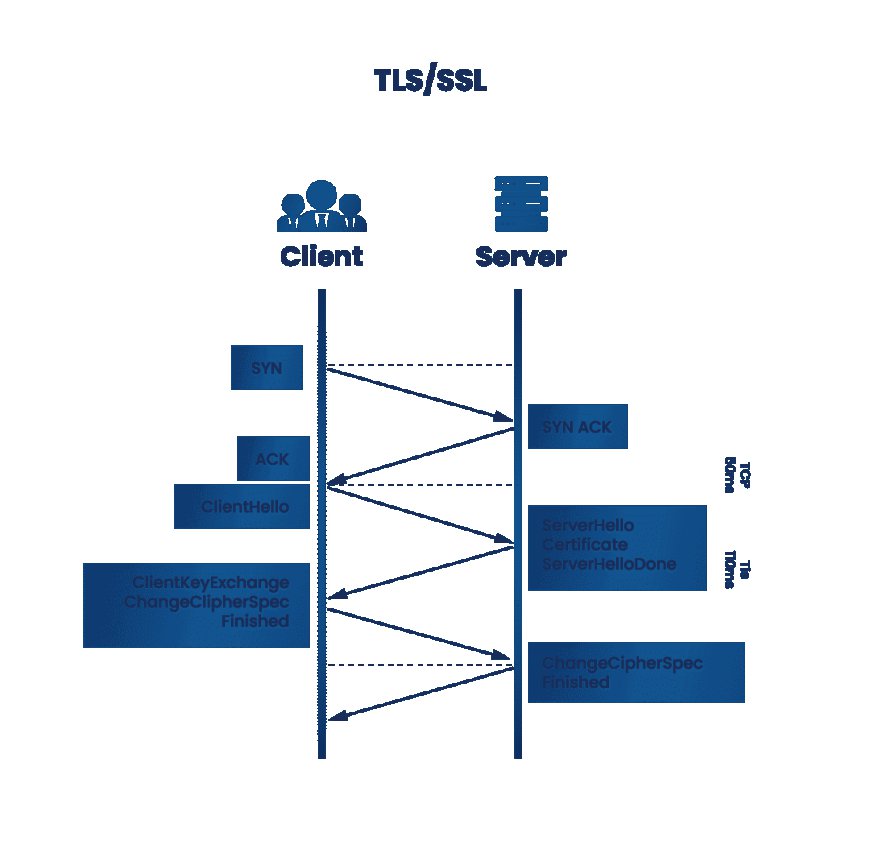
How SSL/TLS Encryption Protects Web Traffic
When a browser connects to a site secured by SSL/TLS, an automated cryptographic negotiation known as the "TLS Handshake" occurs in milliseconds:
-
Authentication: The browser requests the server to identify itself. The server responds with its public SSL certificate issued by a trusted Certificate Authority (CA).
-
Key Exchange: The browser verifies the certificate's validity and digital signature, then generates a unique asymmetric session key.
-
Encrypted Communication: All subsequent data transferred between the user and the server—such as credit card numbers or form fields—is encrypted using secure symmetric key encryption.
Why HTTPS Is Critical for Modern SEO and User Experience
1. Search Engine Ranking Factor
Major search engines officially classify HTTPS as a core ranking signal. Unencrypted websites (http://) face ranking penalties in search result pages compared to secure competitors.
2. Browser Warnings and Bounce Rate Reduction
Modern web browsers explicitly label unencrypted sites with a prominent "Not Secure" warning in the address bar. Seeing a security warning causes immediate user distress, driving bounce rates up and destroying conversion rates.
3. Protection Against Injection Attacks
Without SSL encryption, compromised public Wi-Fi networks or malicious internet service providers can inject unauthorized ads, pop-ups, or tracking scripts directly into your website's rendering layer.
Types of SSL Certificates Explained
Depending on your organization's compliance needs and structural requirements, several types of certificates are available:
-
Domain Validation (DV): Verifies administrative ownership of the domain name. Quick to issue and ideal for blogs, small business sites, and personal projects.
-
Organization Validation (OV): Vets the legal business entity behind the domain, providing higher trust for corporate sites.
-
Extended Validation (EV): Involves strict identity verification of the registering enterprise, offering maximum trust for financial institutions and large e-commerce platforms.
Automated SSL Management and Deployment
Managing certificate renewals manually often leads to unexpected expirations and broken site access. Modern server environments automatically issue and renew Let's Encrypt certificates without requiring administrator intervention. Leveraging secure