The Most Accurate Ways to Determine Body Fat Percentage
 Jacknegi
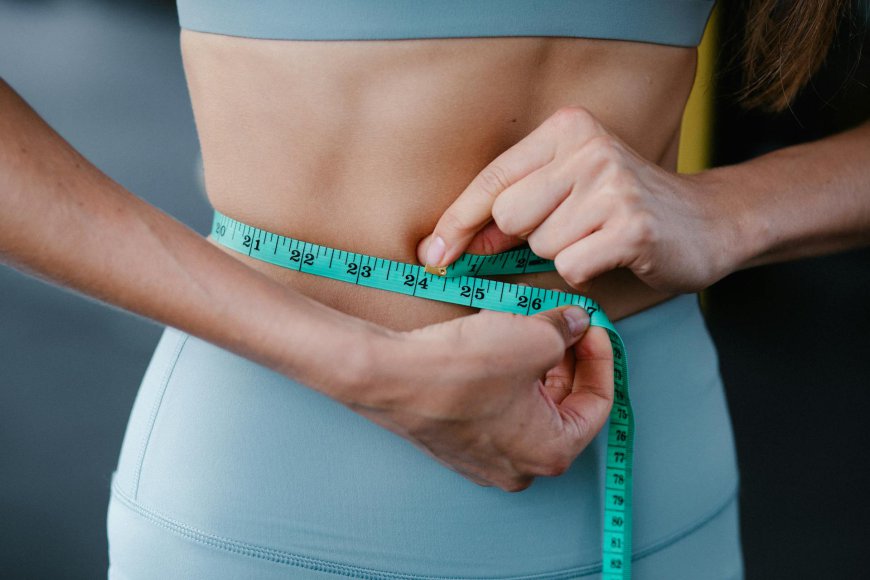
Two people, both 165 pounds, both the same height. One looks lean and defined. The other looks soft around the middle. Same scale number, completely different bodies. That's the moment it clicks for most people — weight alone never tells the real story. Body composition does.
That realization is usually what sends someone down the rabbit hole of trying to figure out how to accurately determine body fat percentage, only to discover the internet is a mess of contradicting numbers. A bathroom scale says one thing, a gym's InBody machine says another, and some sketchy calculator app says something else entirely. Frustrating? Absolutely. But there's actually a hierarchy of accuracy here, and understanding it saves a lot of wasted time and misplaced confidence.
Why the Scale Lies (Sort Of)
Not lying exactly — just incomplete. A scale measures gravitational pull on total mass. It has zero clue whether that mass is muscle, fat, water, or bone. Someone who starts strength training often sees the scale barely move, or even creep up, while their clothes fit looser and their reflection changes noticeably. That's muscle replacing fat, and it's a win the scale can't register. Relying on weight alone to judge progress is like judging a book by counting its pages instead of reading it.
DEXA Scans: The Gold Standard
Dual-energy X-ray absorptiometry, or DEXA, is widely considered the most precise method available outside of a lab dissection (which, obviously, isn't happening). It uses low-dose X-rays to differentiate bone density, lean mass, and fat mass with remarkable precision — often within a 1-2% margin of error. Hospitals and research facilities use it, and increasingly, specialty fitness clinics offer it too. The catch? Cost and access. Not every city has a walk-in DEXA facility, and sessions can run $50-150 a pop. Worth it periodically, maybe quarterly, rather than as a weekly check-in.
Hydrostatic Weighing: Old But Still Gold
Before DEXA became mainstream, underwater weighing was the go-to for researchers and elite athletes. The concept sounds almost too simple — submerge a person fully in water, measure displaced volume, and calculate density based on the fact that fat floats and lean tissue sinks. Accuracy sits close to DEXA levels, honestly impressive for a method that's been around for decades. The downside is obvious, though. Not everyone wants to get dunked in a tank while holding their breath, and facilities offering this are increasingly rare.
Bod Pod: Air Instead of Water
Same logic as hydrostatic weighing, minus the actual dunking. The Bod Pod uses air displacement inside a sealed chamber to estimate body density. Sit inside, breathe normally, and sensors calculate volume based on pressure changes. Comfortable, fast, and reasonably accurate — usually within 2-3% of DEXA results. A solid middle-ground option for anyone who wants lab-level data without the awkwardness of water immersion.
Skinfold Calipers: Cheap, But Technique-Dependent
Calipers pinch skin at specific sites — triceps, abdomen, thigh, depending on the protocol — and estimate body fat based on subcutaneous thickness. Inexpensive, portable, and genuinely useful when performed by someone experienced. That's the catch, though. Get it wrong, and the numbers swing wildly. A trainer who's done this a thousand times will get a far more reliable read than someone pinching their own belly in a bathroom mirror. Consistency of technique matters more than the tool itself.
Bioelectrical Impedance: Convenient, But Take It With a Grain of Salt
Those smart scales and handheld devices sending a tiny electrical current through the body? That's bioelectrical impedance analysis (BIA). Fat resists electrical current more than water-rich lean tissue does, so the device estimates composition based on resistance. Convenient, yes. Consistent for tracking personal trends over time, also yes. But hydration levels, recent meals, and even time of day can throw the numbers off by several percentage points. Great for spotting trends. Not great for bragging rights on exact numbers.
Interestingly, holistic wellness routines — including practices like reiki San Antonio studios have seen growing interest in — are increasingly paired with body composition tracking, since stress and cortisol levels genuinely influence fat storage patterns, particularly around the midsection. It's not a replacement for measurement tools, but it's a reminder that body composition isn't purely a mechanical equation. Stress, sleep, and recovery play a real role too.
So Which Method Actually Matters?
Depends on the goal. Chasing precise research-grade data? DEXA or hydrostatic weighing win, hands down. Tracking general trends over months without draining a bank account? BIA scales or calipers, used consistently by the same person, under similar conditions, tell a useful story. The real mistake isn't picking an "imperfect" method — it's switching methods constantly and comparing numbers that were never meant to be compared in the first place. Pick one, stay consistent, and let the trend line do the talking. Numbers matter less than direction.