The Ultimate Checklist for Working with RSJ Pole Manufacturers
 digitalteam
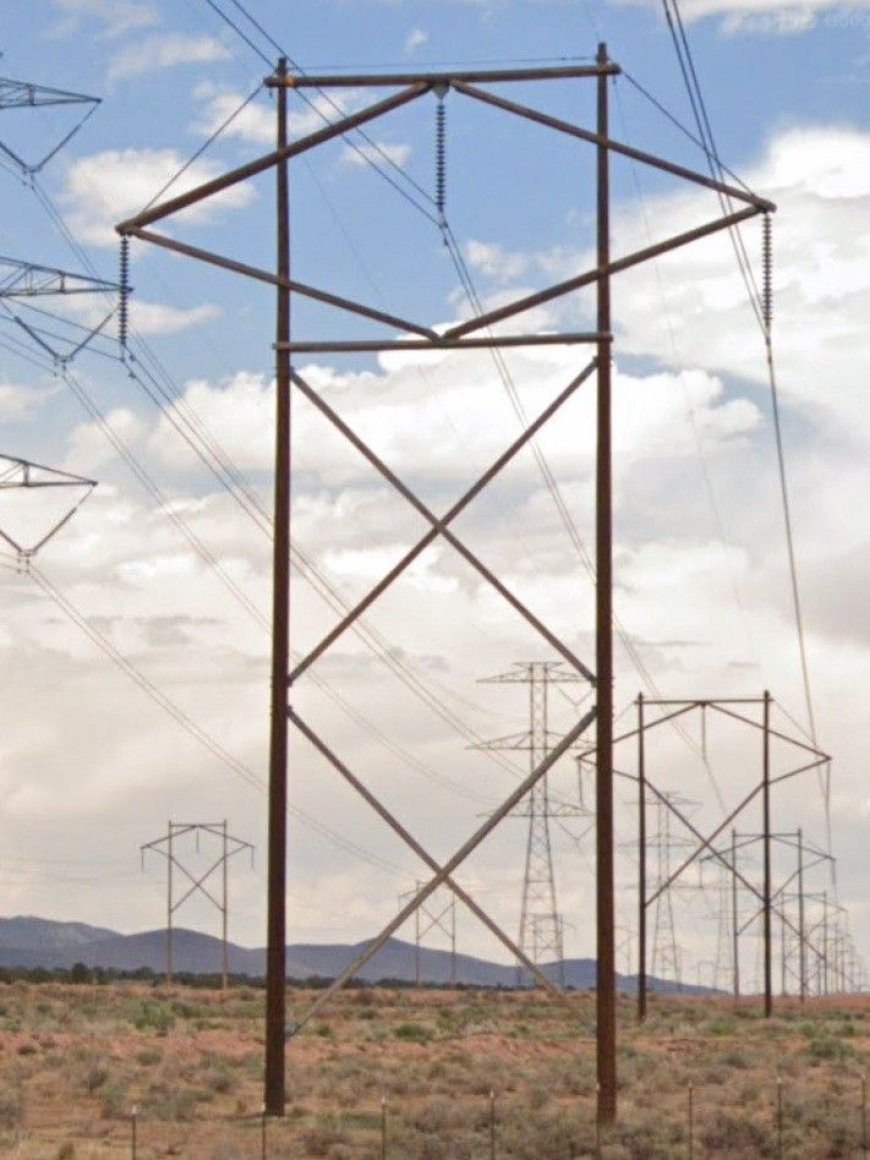
When you're planning a power distribution project, choosing the right RSJ pole manufacturer is one decision that stays with the project for years. A pole isn't just another steel product. It carries electrical lines, stands through changing weather, and has to perform without creating unnecessary maintenance issues.
A report from the International Energy Agency (IEA) has pointed out that reliable transmission and distribution infrastructure plays a major role in improving the stability of power networks. That starts with selecting the right components, and the support structures are part of that equation.
So before placing an order, it helps to look beyond pricing or delivery timelines. There are several things worth checking.
Look at Manufacturing Experience
Years in business don't automatically guarantee quality. Still, experience says a lot about how a manufacturer handles production challenges, project requirements, and changing industry standards.
An experienced manufacturer has already worked with different utilities, industrial projects, and infrastructure developments. That practical exposure often reflects in the consistency of the finished product.
Ask about previous projects. It's one of the easiest ways to understand their capabilities.
Verify Material Quality
The quality of steel decides how well an RSJ pole performs over time.
Find out what grade of steel is being used and whether the raw material comes from trusted suppliers. Quality raw materials help improve structural strength and reduce the chances of premature failure.
It also helps to ask whether every batch goes through material inspection before manufacturing begins.
Check Compliance with Industry Standards
Standards exist for a reason.
A manufacturer should produce RSJ poles according to relevant Indian standards and project specifications. Compliance shows that manufacturing follows established technical requirements instead of random production practices.
Don't hesitate to ask for certifications, quality documents, or testing reports if your project requires them.
Understand the Manufacturing Process
Every manufacturer has machines. The difference comes from how those machines are used.
Look at the fabrication process, welding methods, hole accuracy, straightness checks, and finishing procedures. Small details often separate average products from dependable ones.
If possible, arrange a factory visit. Seeing the production line tells you much more than a brochure ever will.
Ask About Galvanization
Steel needs protection against corrosion.
Hot-dip galvanization is one of the most important processes for RSJ poles, especially when they're installed outdoors for long periods. A proper zinc coating increases durability and helps the structure withstand moisture and environmental exposure.
Ask about coating thickness and the inspection process after galvanizing.
Review Quality Control Procedures
Quality inspection shouldn't happen only after production finishes.
Reliable manufacturers inspect materials, monitor fabrication, check dimensions, examine weld quality, and verify the finished poles before dispatch.
Many manufacturers maintain inspection records for every production batch. That level of documentation adds confidence when large infrastructure projects are involved.
Production Capacity Matters
A manufacturer may produce excellent poles but struggle to supply large quantities on schedule.
Discuss monthly production capacity before confirming the order. This becomes even more important when projects involve phased deliveries or multiple installation locations.
Late deliveries often slow down the entire project.
Evaluate Customization Options
Not every project uses identical pole designs.
Different heights, load requirements, mounting arrangements, hole patterns, and foundation needs often require customized manufacturing.
Choose a manufacturer who is comfortable working according to approved engineering drawings instead of offering only standard designs.
Delivery and Logistics Support
Manufacturing is only one part of the job.
Transporting long steel poles requires planning, proper loading, and careful handling. Damage during transportation creates unnecessary delays and replacement costs.
Discuss packaging methods, delivery schedules, and logistics arrangements before production starts.
Communication Makes a Difference
This point often gets ignored.
Quick responses, technical clarity, and regular project updates save time throughout the manufacturing cycle. When questions arise, clear communication prevents confusion from becoming a bigger problem.
A manufacturer who responds promptly during the quotation stage often continues that habit after receiving the order.
Compare Value Instead of Price
The lowest quotation doesn't always deliver the best outcome.
Think about material quality, inspection standards, galvanization, production capability, technical support, and delivery reliability together. A slightly higher investment at the beginning often prevents expensive maintenance or replacement later.
That's something experienced project teams learn after handling multiple infrastructure projects.
Check References from Previous Clients
Past work leaves useful clues.
Ask whether the manufacturer has supplied RSJ poles for utility companies, industrial facilities, renewable energy projects, or government infrastructure developments. References and completed projects offer a clearer picture than marketing claims.
Even a short discussion with an existing customer reveals how the manufacturer handles timelines, quality concerns, and after-sales support.
Final Thoughts
Working with RSJ pole manufacturers is more than comparing quotations and selecting the fastest supplier. Material quality, manufacturing practices, testing, production capacity, and communication all influence how smoothly a project moves forward.
When every checkpoint is reviewed carefully before placing an order, the chances of delays, quality concerns, and unexpected issues become much smaller. A little extra evaluation at the beginning often saves a great deal of effort once installation starts.