Thioglycolate Market Size, Trends, and Forecast Analysis 2026-2033
 coherentmarket
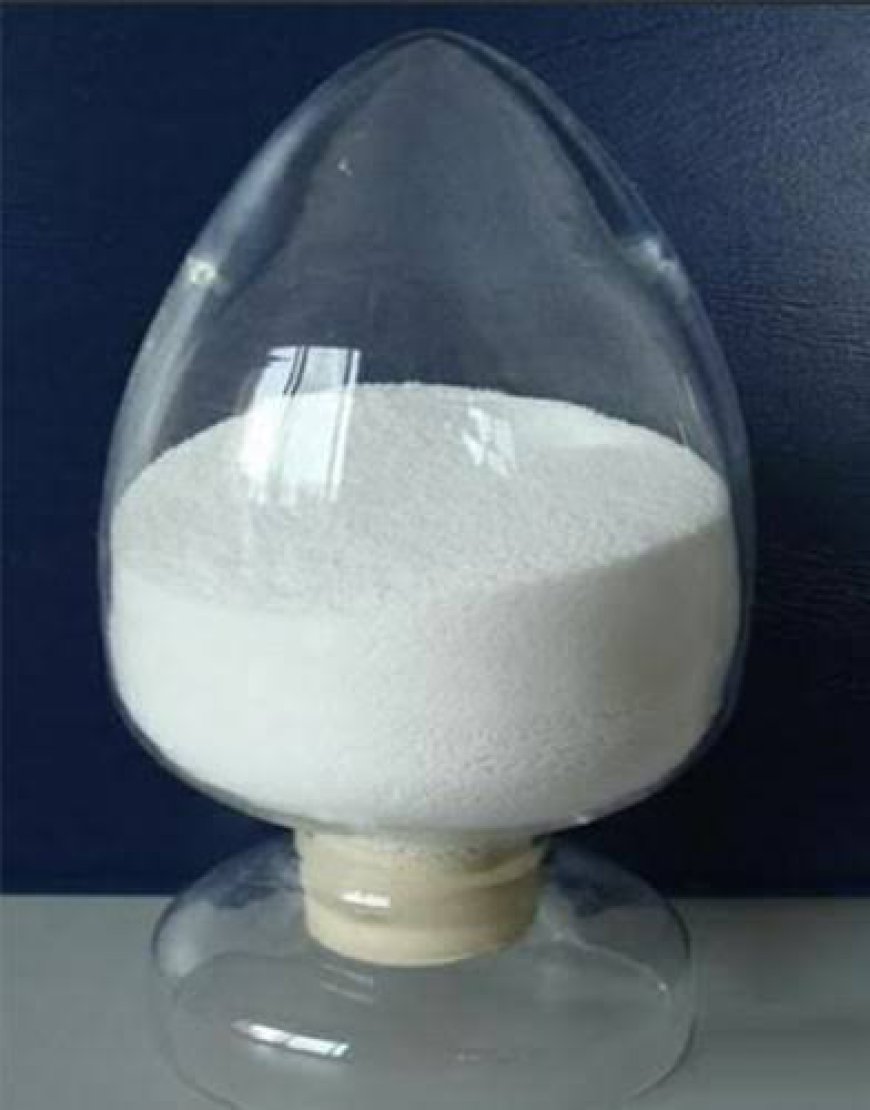
The thioglycolate industry is witnessing steady advancement driven by expanding applications across personal care, agriculture, and chemical synthesis sectors. Continuous innovation and evolving regulatory frameworks are shaping the market dynamics, challenging players to adapt swiftly to maintain business growth. The in-depth examination of industry size and market insights underscores emerging opportunities against the backdrop of shifting consumer and industrial preferences.
Market Size and Overview
The Global Thioglycolate Market is estimated to be valued at USD 125.7 Mn in 2025 and is expected to reach USD 182.9 Mn by 2032, growing at a compound annual growth rate (CAGR) of 5.5% from 2025 to 2032.
This Thioglycolate Market Growth is fueled by increased demand for thioglycolate compounds in hair care products and industrial applications, alongside advancements in eco-friendly formulations. The market report highlights robust expansion, catalyzed by the rising need for effective chemical agents in complex formulations and agricultural products.
Market Segments
The Thioglycolate Market is broadly segmented into product type, application, and end user.
- Product Type: Includes Thioglycolic Acid, Calcium Thioglycolate, and Potassium Thioglycolate. Thioglycolic Acid dominates the segment due to its extensive use in cosmetic applications. Potassium Thioglycolate, however, is the fastest-growing sub-segment owing to its enhanced solubility and usage in emerging industries such as pharmaceuticals.
- Application: Encompasses Personal Care, Agriculture, and Chemical Processing. The Personal Care segment holds dominance, driven by demand in hair perming and depilation products, whereas Agricultural applications are the fastest growing, supported by increased use in crop protection chemicals.
- End User: Classified into Cosmetics Manufacturers, Agrochemical Companies, and Chemical Industries. Cosmetics Manufacturers remain dominant, while Agrochemical Companies exhibit rapid growth, reflecting evolving market dynamics influenced by sustainable agricultural practices.
Market Drivers
A key market driver in 2025 is increasing regulatory support for safer and biodegradable thioglycolate-based formulations, particularly in the personal care segment. Policies promoting eco-friendly ingredients have accelerated product innovation, with reports indicating a 15% rise in demand for green thioglycolates compared to previous years. This trend is backed by growing consumer inclination towards sustainability, which pushes industry players to align their offerings with environmental norms, thereby steering market growth and amplifying market opportunities.
Segment Analysis
Focusing on the product type segment reveals Thioglycolic Acid as the behemoth contributor to market revenue in 2025. With extensive applications in hair care and chemical synthesis, it accounted for over 60% of the overall market revenue. Simultaneously, Potassium Thioglycolate has been expanding rapidly, exemplified by a 12% year-over-year revenue increase, attributed to its adoption in pharmaceutical formulations and improved safety profiles. This segment’s dynamic reveals the vital balance between proven market leaders and emerging, fast-expanding niches.
Consumer Behaviour Insights
Recent consumer behavior in 2024-2025 reveals a shift toward sustainability and customization, influencing thioglycolate product development. Surveys show that 68% of end users prefer products with reduced environmental impact, aligning with the broader industry trend towards green chemistry. Additionally, digital consumption habits have led buyers to seek transparent supply chains and traceability, impacting purchasing decisions. Furthermore, price sensitivity has grown, with customers demanding cost-effective yet high-performance thioglycolate formulations, pushing manufacturers toward optimized production efficiencies and innovative pricing strategies.
Key Players
Major market players driving the thioglycolate industry growth include Triveni Chemicals, Haihang Industry Co. Ltd., Neostar United Industrial Co. Ltd., Alpha Chemika, and American International Chemical Inc., among others. In 2024 and 2025, these companies launched advanced thioglycolate derivatives and expanded production capacities to address increasing global demand. For instance, Triveni Chemicals’ regional capacity expansions in Asia-Pacific resulted in a 10% increase in regional market penetration, demonstrating effective market growth strategies. These market players continuously monitor market trends to stay ahead amid evolving market challenges.
Key Winning Strategies Adopted by Key Players
Notably, Triveni Chemicals implemented a digital traceability system in 2025, enhancing supply chain transparency and boosting customer trust, which led to a 15% rise in contract renewals. Meanwhile, Alpha Chemika adopted green synthesis technology for thioglycolate production in 2024, reducing emissions by 25% and appealing to sustainability-conscious buyers. Another innovative strategy was Haihang Industry Co. Ltd.’s collaboration with agricultural biotech firms to develop bio-degradable thioglycolate compounds, significantly expanding its market scope in agrochemical applications. These targeted strategies demonstrate an advanced approach to market challenges that can be pivotal for business growth.
Frequently Asked Questions (FAQs)
1. Who are the dominant players in the Thioglycolate Market?
Dominant players include Triveni Chemicals, Haihang Industry Co. Ltd., Neostar United Industrial Co. Ltd., Alpha Chemika, and American International Chemical Inc., which collectively lead product innovation and capacity expansion efforts.
2. What will be the size of the Thioglycolate Market in the coming years?
The market is projected to grow from USD 125.7 million in 2026 to approximately USD 182.9 million by 2032, with a CAGR of 6.0%.
3. Which end-user industry has the largest growth opportunity?
The agrochemical sector represents the fastest-growing end-user segment, driven by increasing demand for sustainable crop protection solutions utilizing thioglycolate derivatives.
4. How will Thioglycolate Market development trends evolve over the next five years?
Trends indicate increased adoption of eco-friendly formulations, expansion into pharmaceutical and agricultural applications, and enhanced digitalization in supply chain management.
5. What is the nature of the competitive landscape and challenges in the Thioglycolate Market?
The market features intense competition focused on cost optimization, regulatory compliance, and technological innovation, with challenges including raw material price fluctuations and environmental restrictions.
6. What go-to-market strategies are commonly adopted in the Thioglycolate Market?
Key strategies include capacity expansion, green technology implementation, product diversification, and strategic collaborations, aimed at increasing market penetration and responding to evolving consumer preferences.
‣ Get more insights on : Thiogltcolate Market
‣ Get this Report in Japanese Language: チオグリコール酸市場
‣ Get this Report in Korean Language: 티오글리콜레이트시장
‣ Read More Related Articles - Global Metagenomic Sequencing: Unlocking the Secrets of Microbial Communities
Author Bio:
Vidyesh Swar is a seasoned Consultant with a diverse background in market research and business consulting. With over 6 years of experience, Vidyesh has established a strong reputation for his proficiency in market estimations, supplier landscape analysis, and market share assessments for tailored research solution. Using his deep industry knowledge and analytical skills, he provides valuable insights and strategic recommendations, enabling clients to make informed decisions and navigate complex business landscapes.