Looking for Tooth Extraction Near Me? Here’s What to Expect Before, During, and After
Looking for tooth extraction near me? Learn what to expect before, during, and after tooth removal, including recovery, aftercare, pain, and FAQs.
 newpost21
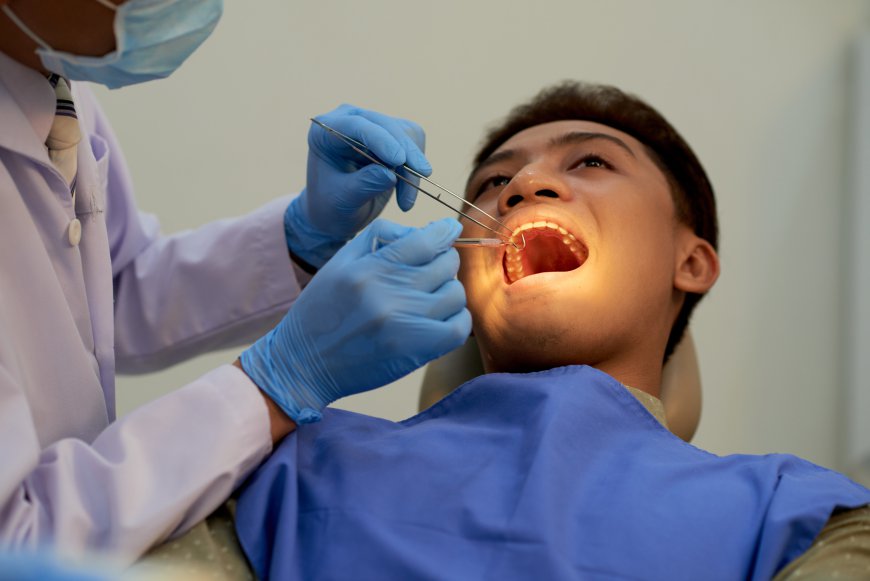
When a tooth becomes severely damaged, infected, or painful, knowing what to expect from treatment can make the experience less stressful. If you are searching for tooth extraction near me, you may have questions about how the procedure works, whether it will hurt, how long recovery takes, and what you should do before and after the appointment.
Tooth extraction is a common dental procedure performed when a tooth cannot be repaired or when removing it is the safest option for protecting oral health. Although the thought of having a tooth removed can feel intimidating, understanding each stage of the process can help you feel more prepared.
From the initial dental examination to post-extraction care, this guide explains what you can expect before, during, and after a tooth extraction.
What Is Tooth Extraction?
Tooth extraction is a procedure in which a dental professional removes a tooth from its socket in the jawbone. It may be recommended when a tooth is severely decayed, damaged, infected, impacted, or otherwise affecting surrounding teeth and tissues.
Dentists typically try to preserve natural teeth whenever possible. Treatments such as fillings, crowns, or root canal therapy may be considered before extraction. However, when a tooth cannot be predictably restored, removal may be the most appropriate treatment.
There are two main types of tooth extraction:
-
Simple extraction
-
Surgical extraction
The type required depends on the position and condition of the tooth.
Why Might You Need a Tooth Extraction?
There are several reasons a dental professional may recommend removing a tooth.
Severe Tooth Decay
When decay progresses deep into a tooth and destroys most of its structure, restorative treatment may no longer be practical. Extraction can remove the damaged tooth and help prevent further complications.
Dental Infection
A severely infected tooth may cause intense pain, swelling, pus, or an abscess. If the tooth cannot be treated successfully with root canal therapy or another procedure, extraction may be considered.
Broken or Cracked Tooth
A tooth that is fractured beyond repair may need to be removed. This is particularly important when a crack extends below the gum line or affects the tooth root.
Impacted Wisdom Teeth
Wisdom teeth may become trapped beneath the gum or partially emerge. Impacted wisdom teeth can contribute to infection, pain, gum problems, and damage to nearby teeth.
Advanced Gum Disease
Severe periodontal disease can weaken the structures supporting a tooth. If the tooth becomes extremely loose and cannot be stabilized, extraction may be necessary.
Dental Crowding
In certain orthodontic cases, one or more teeth may need to be removed to create space for proper alignment.
What Happens Before a Tooth Extraction?
The process generally begins with a dental examination. If you are searching for tooth extraction near me, the first appointment may involve discussing your symptoms, medical history, dental history, and treatment concerns.
Dental Examination
The dental professional examines the affected tooth and surrounding gums. They may check for:
-
Tooth decay
-
Cracks or fractures
-
Gum inflammation
-
Swelling
-
Tooth mobility
-
Signs of infection
Dental X-Rays
X-rays can provide important information about the tooth's roots, surrounding bone, and nearby structures. They may be particularly useful for wisdom teeth and complex extractions.
Treatment Discussion
Before proceeding, the dental professional should explain why extraction is being considered and whether other treatments may be possible.
Possible alternatives may include:
-
Dental fillings
-
Root canal treatment
-
Crowns
-
Periodontal treatment
-
Other restorative procedures
The recommended treatment depends on the tooth's condition and the individual's oral health.
How Should You Prepare for Tooth Extraction?
Your preparation depends on the type of extraction and the type of anesthesia being used.
Before your appointment, tell your dental professional about any medications, supplements, allergies, or relevant medical conditions. This information can help them plan the procedure safely.
You may also be given specific instructions regarding eating, drinking, medication use, and transportation.
If sedation or a more involved form of anesthesia is planned, you may need to follow additional instructions.
Questions to Ask Before Extraction
It can be helpful to ask:
-
Why does the tooth need to be removed?
-
Can the tooth be saved?
-
What type of extraction will I need?
-
What type of anesthesia will be used?
-
How long will the procedure take?
-
What should I eat afterward?
-
When can I return to normal activities?
-
What symptoms should prompt a follow-up call?
Knowing the answers beforehand can make the experience more comfortable and predictable.
What Happens During a Simple Tooth Extraction?
A simple extraction is generally performed when the tooth is visible above the gum line.
The area around the tooth is numbed with a local anesthetic. Once adequate numbness is confirmed, specialized dental instruments are used to loosen the tooth from the surrounding tissues.
The tooth is then carefully removed from its socket.
You may feel pressure or movement during the procedure, but you should not normally feel sharp pain while the area is properly anesthetized.
After the tooth is removed, gauze is usually placed over the extraction site to help control bleeding and support blood clot formation.
What Happens During a Surgical Extraction?
A surgical extraction is more involved and may be necessary when the tooth is impacted, broken beneath the gum line, or difficult to access.
The dental professional may make a small incision in the gum to reach the tooth. In some situations, a portion of the surrounding bone may need to be carefully removed, or the tooth may be divided into sections before it is extracted.
Surgical extraction is commonly associated with impacted wisdom teeth, although other teeth may also require this approach.
The exact technique depends on the position, shape, and condition of the tooth.
Will Tooth Extraction Hurt?
One of the most common concerns when people search for tooth extraction near me is whether the procedure will be painful.
Local anesthesia is typically used to numb the treatment area. This helps minimize pain during the extraction.
You may experience:
-
Pressure
-
Pulling or movement
-
Vibration from dental instruments
-
Mild discomfort
After the anesthesia wears off, some soreness and swelling may occur. Your dental professional can provide instructions for managing discomfort during recovery.
What Happens Immediately After Tooth Extraction?
After the tooth is removed, a blood clot develops in the extraction socket. This clot is an important part of the natural healing process.
Your dental professional may place gauze over the area and ask you to apply gentle pressure by biting down on it for a specific period.
Some bleeding or oozing can occur initially. However, persistent or heavy bleeding should be discussed with a dental professional.
You will also receive aftercare instructions to help protect the extraction site.
Tooth Extraction Aftercare Tips
Following your post-extraction instructions carefully can support proper healing.
Protect the Blood Clot
Avoid actions that may disturb the extraction site. Vigorous rinsing, forceful spitting, or using straws may create suction that can interfere with blood clot stability.
Eat Soft Foods
Soft foods can be easier to eat during the early recovery period. Depending on your dental professional's instructions, suitable options may include:
-
Yogurt
-
Mashed vegetables
-
Soft eggs
-
Smooth soups
-
Oatmeal
-
Soft rice
-
Applesauce
Avoid very hot, hard, crunchy, or sticky foods while the extraction site is healing.
Maintain Oral Hygiene
Good oral hygiene remains important after extraction, but the area should be treated gently. Follow your dental professional's instructions about brushing near the extraction site and rinsing.
Avoid Tobacco
Smoking and tobacco use can interfere with healing and increase the risk of complications. Avoiding tobacco during recovery is strongly recommended.
Rest When Needed
Depending on the complexity of the extraction, you may need to limit strenuous physical activity temporarily. Follow the specific recovery instructions provided after your procedure.
How Long Does Tooth Extraction Recovery Take?
Recovery varies from person to person.
Many people experience the most noticeable discomfort during the first few days. Swelling can also occur and may gradually improve.
The gum tissue may continue healing over the following weeks, while deeper bone healing can take longer.
Factors that can affect recovery include:
-
Type of extraction
-
Location of the tooth
-
Complexity of the procedure
-
Presence of infection
-
Oral hygiene
-
Tobacco use
-
Individual healing response
Following aftercare instructions can help reduce the risk of complications.
What Is Dry Socket?
Dry socket is a possible complication that occurs when the blood clot in the extraction socket becomes dislodged or does not form properly.
It may cause:
-
Increasing pain
-
Pain that radiates toward the ear or jaw
-
Unpleasant taste
-
Bad breath
-
An appearance of an empty extraction socket
If severe pain develops or becomes worse after initially improving, contact a dental professional. Treatment can help manage symptoms and support healing.
When Should You Contact a Dental Professional?
Some discomfort after tooth extraction is expected, but certain symptoms require professional evaluation.
Contact your dental professional if you experience:
-
Severe or worsening pain
-
Persistent heavy bleeding
-
Increasing swelling
-
Fever
-
Pus or unusual drainage
-
Difficulty opening your mouth
-
Symptoms that do not improve as expected
Seek urgent medical attention for severe swelling that affects breathing or swallowing.
What Can You Eat After Tooth Extraction?
Diet is an important part of recovery. Soft foods are generally easier to consume during the first part of healing.
Depending on your individual instructions, you may choose foods such as:
-
Smooth yogurt
-
Mashed potatoes
-
Soft scrambled eggs
-
Blended soups that are not excessively hot
-
Soft pasta
-
Oatmeal
-
Applesauce
-
Smooth foods that do not require extensive chewing
As healing progresses, you can gradually return to your usual diet according to your dental professional's guidance.
Do You Need to Replace the Extracted Tooth?
Not every extracted tooth requires replacement, but replacing certain teeth may be important for chewing, appearance, and maintaining proper tooth alignment.
Potential replacement options include:
Dental Implants
A dental implant can replace the root portion of a missing tooth and support a dental restoration.
Dental Bridges
A bridge uses neighboring teeth or other support structures to replace a missing tooth.
Partial Dentures
A partial denture can replace one or multiple missing teeth.
The appropriate option depends on factors such as the location of the missing tooth, oral health, bone condition, and personal needs.
How to Find the Right Tooth Extraction Provider
When searching for tooth extraction near me, proximity is useful, but quality and appropriate care should also be priorities.
Consider whether the dental professional:
-
Performs a thorough examination
-
Explains treatment options
-
Uses appropriate diagnostic imaging
-
Provides clear aftercare instructions
-
Has experience with different types of extraction
-
Answers questions about recovery
-
Discusses tooth replacement when appropriate
You should feel comfortable asking questions before agreeing to treatment.
Frequently Asked Questions
1. How long does a tooth extraction procedure take?
The time varies depending on the tooth and complexity of the extraction. A straightforward extraction may be relatively quick, while a surgical extraction can take longer.
2. Can I drive home after tooth extraction?
If only local anesthesia is used, driving may be possible depending on how you feel and the instructions provided. If sedation is used, you may need someone else to drive you home. Follow your dental professional's instructions.
3. How soon can I eat after tooth extraction?
Your dental professional will provide specific instructions. Soft foods are generally preferred once eating is permitted, and very hot or hard foods may need to be avoided initially.
4. How long does pain last after tooth extraction?
Mild discomfort is common after extraction and often improves over the first few days. Severe, worsening, or persistent pain should be evaluated.
5. Can I brush my teeth after an extraction?
Oral hygiene remains important, but the extraction area should be treated carefully. Follow the brushing and rinsing instructions provided by your dental professional.
6. What should I avoid after tooth extraction?
Avoid smoking, tobacco use, forceful rinsing, vigorous spitting, and activities or foods that could disturb the extraction site during the early healing period.
7. Is surgical extraction more difficult than simple extraction?
Surgical extraction generally involves a more complex procedure because the tooth may be impacted, broken, or difficult to access. Recovery can vary depending on the individual situation.
8. Can a tooth extraction prevent future dental problems?
Removing a severely damaged or infected tooth may help address the immediate source of a dental problem. However, maintaining good oral hygiene and receiving regular dental care remain important for preventing future problems.
Conclusion
Knowing what to expect can make tooth removal feel much less intimidating. From the initial examination and dental X-rays to anesthesia, extraction, and recovery, each step is designed to address the dental problem while supporting a safe healing process.
If you are searching for tooth extraction near me, remember that extraction is not automatically the first option. A dental professional should evaluate the tooth and determine whether it can be preserved or whether removal is the most appropriate solution.
Following pre-treatment instructions and practicing proper tooth extraction aftercare can help support recovery. If you experience severe pain, significant swelling, persistent bleeding, fever, or other concerning symptoms, seek professional dental evaluation promptly.