Trade In Value of My Car: How to Get the Best Trade-In Value Before You Visit a Dealership
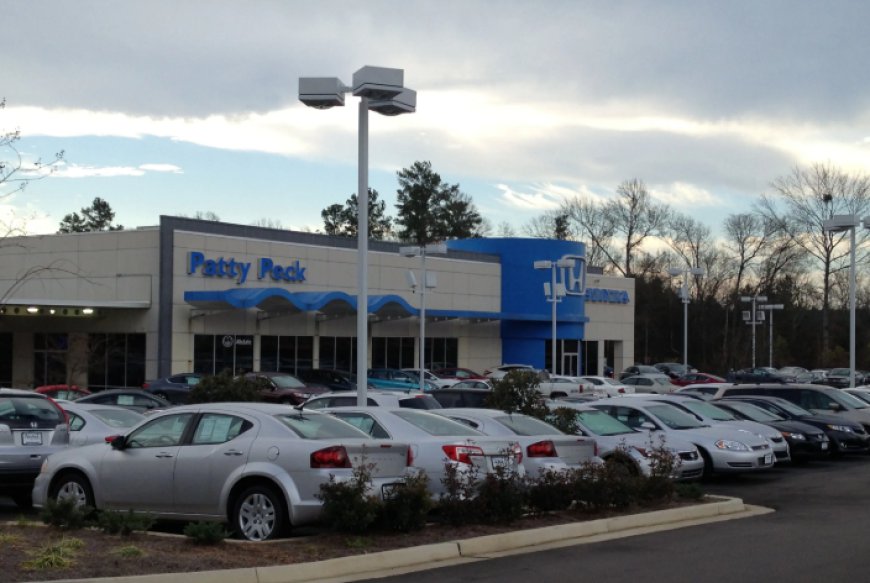
Some things in life can be hard, but shopping for a new or used vehicle in Ridgeland, MS doesn’t have to be. Proudly serving you for over 36 years, Patty Peck Honda is your one-stop destination for all of your vehicle needs. From sales to service, we promise that every time you do business with Patty Peck Honda, you will be treated with the respect you deserve.
 john0001
If you're asking, "What is the trade in value of my car?", you're not alone. Whether you're upgrading to a newer vehicle or simply looking to reduce the cost of your next purchase, understanding your car's trade-in value is the first step toward making a smart financial decision.
Your vehicle's trade-in value is influenced by several factors, including its age, mileage, condition, market demand, and service history. Knowing what affects your car's value helps you negotiate with confidence and avoid accepting an offer that's lower than what your vehicle is worth.
This guide explains everything you need to know about determining your trade in value, improving it, and getting the best possible offer.
What Is Trade-In Value?
Trade-in value is the amount a dealership is willing to offer for your current vehicle when you use it as part of the payment toward another vehicle. Instead of selling your car privately, you exchange it directly with the dealer, making the buying process faster and more convenient.
The dealership considers your car's resale potential, repair costs, local demand, and overall condition before making an offer.
Why Knowing the Trade In Value of My Car Matters
Understanding the trade-in value of your car gives you a stronger position during negotiations. Instead of relying solely on a dealer's estimate, you'll have a realistic expectation of your vehicle's worth.
Knowing your car's value helps you:
- Budget for your next vehicle purchase.
- Compare offers from multiple dealerships.
- Decide whether trading in or selling privately is the better option.
- Avoid accepting an unfairly low offer.
- Reduce the amount you need to finance.
Factors That Affect Trade In Value
Several important factors determine how much your vehicle is worth.
Vehicle Age
Newer vehicles generally have a higher trade-in value because they have experienced less depreciation. Most cars lose value rapidly during their first few years.
Mileage
Mileage is one of the biggest pricing factors. Lower mileage often indicates less wear and tear, making the vehicle more attractive to dealerships.
Vehicle Condition
A clean, well-maintained vehicle typically receives a higher offer. Dealers inspect:
- Exterior paint
- Interior condition
- Tire wear
- Engine performance
- Transmission
- Suspension
- Brakes
Minor cosmetic repairs may improve your offer if completed before trading in.
Maintenance History
A complete maintenance record demonstrates responsible ownership. Regular oil changes, scheduled servicing, and documented repairs increase buyer confidence.
Vehicle History Report
Cars with no accident history usually command higher trade-in values. Previous collisions, flood damage, or salvage titles can significantly reduce value.
Market Demand
Popular vehicles often receive stronger trade-in offers. SUVs, fuel-efficient sedans, and reliable pickup trucks may retain their value better depending on current market trends.
Vehicle Features
Modern safety technology, premium interiors, navigation systems, and advanced driver assistance features can positively impact your trade-in value.
How to Estimate the Trade In Value of My Car
Before visiting a dealership, it's helpful to research your vehicle's estimated value.
Gather the following information:
- Year
- Make
- Model
- Trim level
- Mileage
- Vehicle condition
- ZIP code
- Optional features
Using this information allows you to compare pricing from different valuation sources and dealerships.
Tips to Increase Your Trade In Value
A few simple improvements can help maximize your vehicle's value.
Clean Your Vehicle Thoroughly
A professionally cleaned car creates a better first impression. Wash the exterior, vacuum the interior, remove stains, and clean the windows.
Complete Minor Repairs
Replacing burnt-out bulbs, fixing small dents, repairing windshield chips, and replacing worn wiper blades can improve the dealer's perception of the vehicle.
Organize Maintenance Records
Bring receipts and service records to demonstrate proper maintenance.
Avoid Warning Lights
Dashboard warning lights may indicate expensive repairs and often reduce trade-in offers.
Replace Worn Tires if Necessary
If your tires are excessively worn, replacing them could increase your vehicle's value, particularly for newer cars.
Should You Trade In or Sell Privately?
Both options have advantages.
Trading In
Trading in your vehicle is convenient and saves time. The dealer handles paperwork, and the trade-in value can often be applied directly toward your next purchase.
Advantages include:
- Faster transaction
- Less paperwork
- Potential tax savings in some regions
- Easier financing process
Private Sale
Selling privately may generate a higher selling price because you're selling directly to another buyer rather than a dealership.
However, it often requires:
- Advertising the vehicle
- Meeting potential buyers
- Negotiating prices
- Handling paperwork independently
If convenience is your priority, trading in is usually the easier choice.
Common Mistakes That Lower Trade In Value
Many vehicle owners unknowingly reduce their trade-in offers.
Common mistakes include:
- Not researching current market values
- Trading in a dirty vehicle
- Ignoring maintenance issues
- Accepting the first dealership offer
- Forgetting service documentation
- Misrepresenting the vehicle's condition
Avoiding these mistakes can help you secure a better offer.
When Is the Best Time to Trade In Your Car?
Timing can influence your vehicle's value.
You may receive stronger offers when:
- Used vehicle demand is high.
- Your vehicle has relatively low mileage.
- The model is still popular.
- New model releases haven't significantly reduced older model prices.
- Seasonal demand favors your vehicle type.
Trading in before major repairs become necessary may also help preserve value.
How Dealerships Calculate Trade In Value
Dealerships evaluate multiple factors before presenting an offer.
Their assessment usually includes:
- Exterior inspection
- Interior inspection
- Mechanical condition
- Test drive
- Vehicle history report
- Local inventory levels
- Auction pricing
- Market demand
- Reconditioning costs
Understanding this process helps explain why offers may vary between dealerships.
Negotiating a Better Trade In Value
Negotiation can make a meaningful difference.
Before negotiating:
- Research comparable vehicle prices.
- Obtain multiple dealership offers.
- Separate the trade-in discussion from the new vehicle purchase.
- Be realistic about your vehicle's condition.
- Stay prepared to walk away if necessary.
Multiple offers often encourage dealerships to provide more competitive pricing.
Is Online Trade-In Valuation Accurate?
Online valuation tools provide useful estimates but are not final offers.
The final trade-in value depends on an in-person inspection where the dealer evaluates your vehicle's actual condition.
Online estimates should be viewed as a starting point rather than a guaranteed price.
Final Thoughts
Determining the trade in value of my car is an important part of purchasing your next vehicle. By researching your vehicle's worth, maintaining it properly, gathering service records, and comparing offers from multiple dealerships, you can maximize your trade in value and negotiate with greater confidence.
A little preparation before visiting the dealership can lead to a better offer, reduce your overall vehicle costs, and make the entire buying process much smoother.
Key Takeaways
- Trade-in value is the amount a dealership offers for your current vehicle.
- Vehicle age, mileage, condition, maintenance history, and market demand all affect value.
- Research your car's estimated worth before visiting a dealership.
- Cleaning your vehicle and completing minor repairs may improve your offer.
- Compare offers from multiple dealerships to maximize your trade-in value.
- Keep maintenance records to support your vehicle's condition.
- Online estimates provide guidance but are not guaranteed offers.
Frequently Asked Questions (FAQs)
1. What is the trade in value of my car?
The trade-in value is the estimated amount a dealership is willing to pay for your current vehicle when purchasing another vehicle from them.
2. How can I improve my trade in value?
Maintain your vehicle regularly, clean it thoroughly, repair minor cosmetic issues, keep service records, and compare offers from multiple dealerships.
3. Is trading in better than selling privately?
Trading in is generally faster and more convenient, while private sales often result in a higher selling price but require more effort.
4. Does mileage affect trade in value?
Yes. Lower-mileage vehicles usually receive higher trade-in offers because they typically have less wear and longer remaining service life.
5. Can I negotiate my trade in value?
Yes. Research your vehicle's market value, obtain multiple offers, and negotiate confidently to improve your chances of receiving a better trade-in offer.