Under the Hood: Comparing Linux and Windows Kernel Architectures
At the heart of every operating system sits the kernel—the core software component responsible for managing hardware resources, allocating system memory, coordinating process execution, and mediating file I/O operations
 uk_77
uk_77
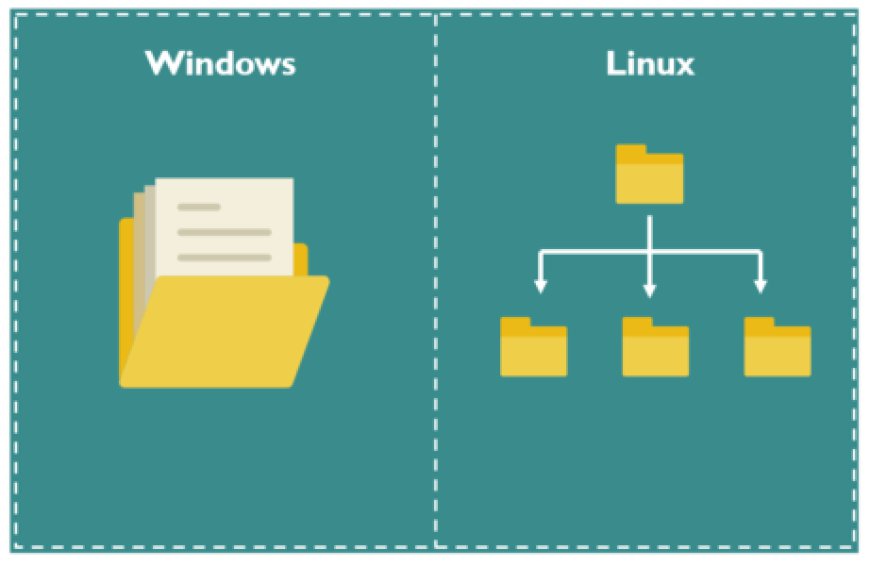
At the heart of every operating system sits the kernel—the core software component responsible for managing hardware resources, allocating system memory, coordinating process execution, and mediating file I/O operations. While end users interact primarily with graphical user interfaces, software developers and system architects must understand the architectural mechanics that govern kernel execution beneath the surface.
Exploring core system design concepts through dedicated
In this deep dive, we compare the architectural models of the Linux kernel and the Windows NT kernel, highlighting differences in process management, system call handling, and execution modes.
Monolithic vs. Hybrid Kernel Architecture
The fundamental design difference between Linux and Windows resides in how their kernels organize system services:
+-----------------------------------------------------------+
|               Linux Kernel (Monolithic)                   |
|  [ Process Mgr | Memory Mgr | Device Drivers | File Sys ] |
|                All Run in Kernel Space (Ring 0)           |
+-----------------------------------------------------------+

+-----------------------------------------------------------+
|               Windows NT (Hybrid Architecture)            |
|  [ Executive Services ] <---> [ Microkernel Abstraction ] |
|  User-Mode Subsystems (Ring 3) | Kernel Core (Ring 0)     |
+-----------------------------------------------------------+
1. Linux Monolithic Architecture
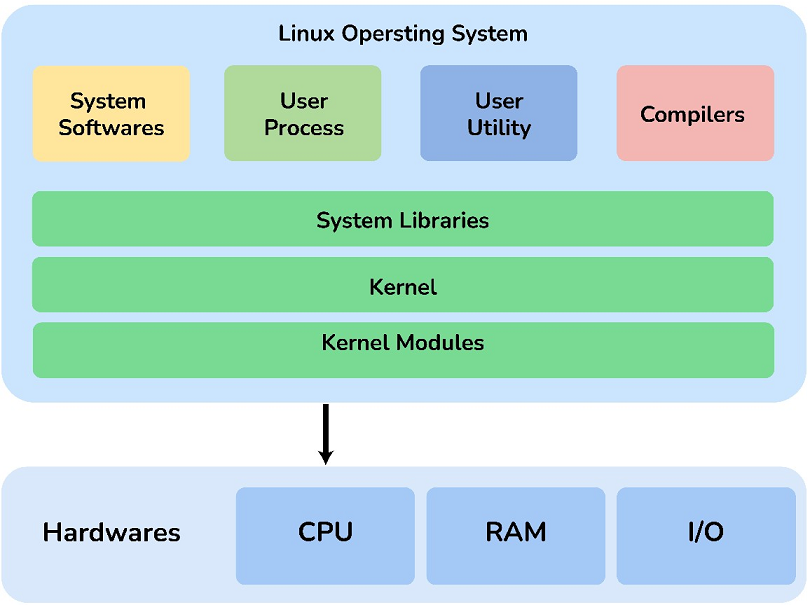
The Linux kernel is a true monolithic kernel. All core OS services—process scheduling, virtual memory management, network stacks, and device drivers—execute within the same unified address space in Kernel Mode (Ring 0). To prevent bloat, Linux utilizes Loadable Kernel Modules (LKMs), allowing driver modules to be loaded or unloaded dynamically into kernel memory at runtime without rebooting the system.
2. Windows NT Hybrid Architecture
Windows NT utilizes a hybrid architecture that combines elements of monolithic and microkernel designs. The underlying microkernel handles basic thread scheduling and hardware abstraction, while higher-level services (such as executive subsystems and user interfaces) run in distinct functional layers.
Process Creation and Thread Scheduling
How operating systems create and execute tasks differs drastically between Unix-like systems and Windows:
Memory Management and File System Mechanics
-
Linux Memory Abstraction: Uses virtual memory pagination, mapping physical RAM into process address spaces through virtual page tables. Everything in Linux—including hardware devices and sockets—is exposed through a unified file system abstraction (
/proc,/sys). -
Windows Object Manager: Uses an object-oriented tracking system where system resources (files, threads, registry keys) are represented as managed kernel objects accessed via secure object handles.
Studying operating system fundamentals on