What Equipment Is Needed For Pressure Washing Jobs?
Learn essential pressure washing equipment, tools, machines, safety gear, and maintenance setup needed for efficient residential and commercial cleaning jobs.
 smitjohn11
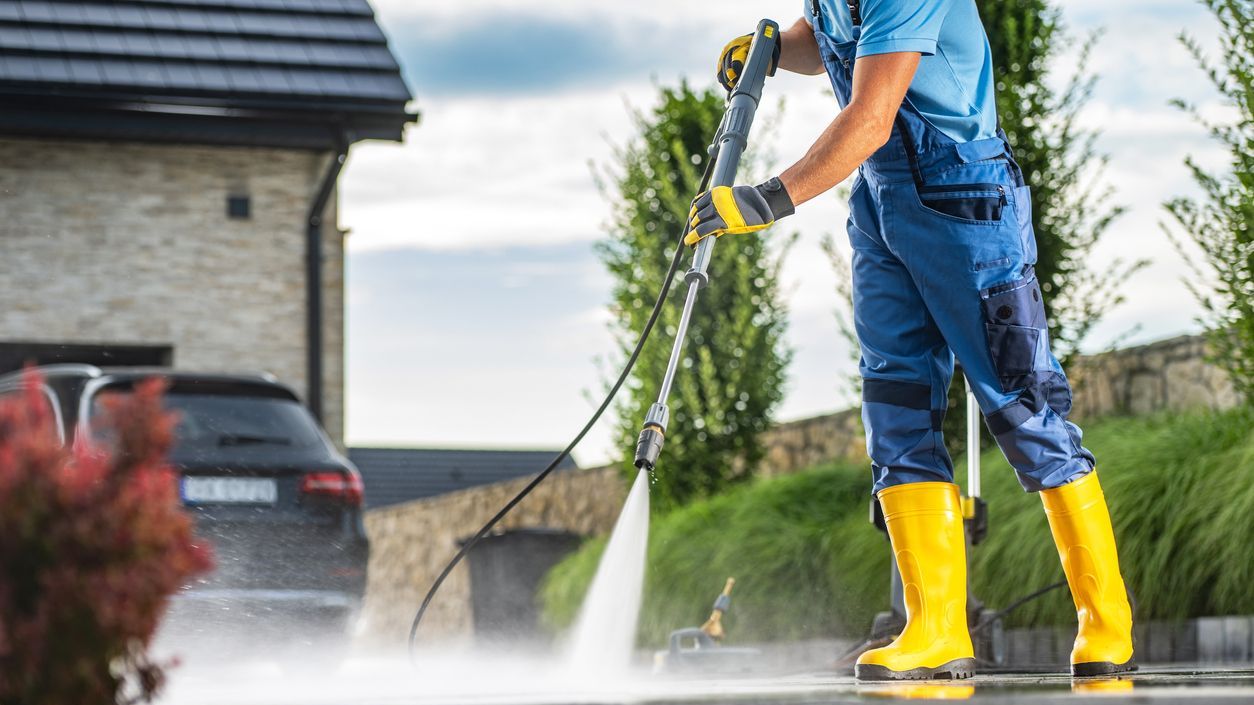
Pressure washing jobs depend heavily on having the right equipment to deliver safe, fast, and effective cleaning results across different surfaces. Driveways, roofs, siding, and commercial spaces all require specific tools and pressure levels. A complete setup goes beyond a simple washer and includes hoses, nozzles, safety gear, chemicals, and maintenance tools. Professionals, including Pompano beach pressure washing experts, rely on well-organized systems to maintain consistency and efficiency on every job. Proper equipment selection reduces damage risks, improves productivity, and ensures high-quality cleaning outcomes for both residential and commercial properties.
Pressure Washer Machines
Pressure washer machines are the foundation of every cleaning operation and directly influence performance. Electric models are commonly used for light residential work, including patios, fences, and small driveways. Gas-powered washers deliver higher PSI and GPM, making them suitable for heavy-duty cleaning and commercial projects. Hot water pressure washers add another level of effectiveness by removing grease, oil, and industrial stains. Choosing the correct machine depends on surface type, job size, and cleaning intensity, making this the most important investment in any pressure washing setup.
Hoses, Pumps, and Water Flow System
A reliable water flow system ensures stable pressure delivery throughout the entire cleaning process. High-pressure hoses are built to withstand strong water force while maintaining flexibility during movement. Longer hoses improve efficiency by reducing the need to reposition machines repeatedly on large properties. Water inlet hoses protect the pump by delivering clean water consistently. Pumps regulate pressure output and ensure smooth performance under load. Strong fittings and couplers prevent leaks, making the entire system more durable and efficient during continuous operation on different job sites.
Spray Guns and Nozzle Tips
Spray guns and nozzle tips control how water is applied to surfaces, making them essential for precision cleaning. Spray guns provide safe handling and directional control, allowing operators to manage pressure effectively. Nozzle tips determine spray angle and intensity, ranging from tight high-pressure streams to wide fan patterns. Adjustable nozzles allow quick switching between tasks without changing equipment. Turbo nozzles deliver rotating pressure for stubborn stains on concrete and brick surfaces. Proper selection of these tools prevents surface damage while improving cleaning accuracy and efficiency.
Surface Cleaning Attachments
Surface cleaning attachments significantly improve speed and consistency during large cleaning projects. Flat surface cleaners use rotating jets to cover driveways, sidewalks, and patios evenly without streaking. Extension wands help reach elevated areas like roofs and second-story walls safely. Foam cannons apply detergent evenly before pressure washing begins, improving stain breakdown and reducing cleaning time. Rotary attachments focus water pressure for deep cleaning on textured surfaces. These tools reduce operator fatigue and ensure uniform cleaning results across both residential and commercial environments.
Detergents and Chemical Application Systems
Cleaning chemicals play a major role in breaking down stubborn stains, mold, algae, and grease. Detergent tanks store cleaning solutions that are mixed with water through controlled systems. Chemical injectors ensure correct dilution ratios, preventing damage to surfaces while maximizing cleaning effectiveness. Degreasers are used for oil-heavy areas such as driveways and industrial floors. Mild detergents protect painted surfaces and delicate materials. Accurate measurement tools ensure safe application, while chemical-resistant containers support secure storage and transport during pressure washing operations.
Safety Equipment and Protective Gear
Safety equipment is essential in pressure washing due to high water pressure and chemical exposure risks. Protective goggles shield eyes from debris and splashback during cleaning. Heavy-duty gloves provide grip and chemical resistance while handling detergents. Waterproof non-slip boots improve stability on wet surfaces and reduce slip hazards. Hearing protection is important when operating loud gas-powered machines for extended periods. Face shields offer extra protection against direct spray impact. Durable clothing reduces skin exposure and helps maintain safe working conditions throughout all cleaning tasks.
Maintenance and Storage Tools
Maintenance and storage tools ensure long-term reliability and performance of pressure washing systems. Hose reels prevent tangling and reduce wear on high-pressure lines. Filters protect pumps from dirt, sand, and debris that may enter the water system. Lubrication tools help maintain gas engine performance and reduce mechanical wear. Storage racks and boxes organize accessories such as nozzles, spray guns, and fittings. Regular cleaning of tips and attachments prevents clogging and maintains consistent water pressure. Proper maintenance tools significantly extend equipment lifespan and reduce repair costs.
Professional vs Residential Equipment Setup
Professional pressure washing setups differ significantly from residential systems in power, durability, and capability. Professional units feature higher PSI ratings, longer hoses, and industrial-grade components designed for continuous use. Trailer-mounted systems and hot water units allow contractors to handle large commercial projects efficiently. Residential setups are smaller, portable, and designed for occasional use on light cleaning tasks. While residential machines are cost-effective, professional equipment delivers faster results, greater coverage, and improved cleaning quality across demanding environments and larger surface areas.
Job Site Accessories and Mobility Tools
Mobility tools improve workflow efficiency and reduce downtime during pressure washing jobs. Hose reels mounted on trailers or carts allow quick deployment and storage. Quick-connect fittings simplify setup and breakdown between tasks. Portable water tanks provide flexibility in areas with limited water access. Tool organizers keep accessories arranged for fast use on-site. Transport carts help move heavy equipment across large properties. These mobility tools improve job efficiency by reducing setup time and ensuring all equipment remains accessible during active cleaning operations.
Water Supply and Filtration Systems
Water supply systems play a key role in maintaining consistent pressure washer performance. Direct hose connections are common for residential jobs with steady water access. Buffer tanks store water for commercial projects where supply may be inconsistent. Filtration systems remove debris, sand, and sediment before water enters the pump, preventing internal damage. Backflow preventers ensure safe operation and protect municipal water systems. Reliable water management improves machine lifespan and ensures consistent cleaning output across different job environments.
Fuel, Power, and Energy Equipment
Power sources vary depending on the type of pressure washer used in the field. Electric washers require stable power outlets and extension cords rated for outdoor use. Gas-powered machines rely on fuel tanks and require regular refilling for continuous operation. Battery-powered units are used for small, portable cleaning tasks with limited duration. Fuel stabilizers and storage containers help maintain gasoline quality for long-term use. Proper energy management ensures uninterrupted workflow and prevents performance drops during extended cleaning jobs on large properties.
Equipment Organization and Transport Systems
Efficient organization and transport systems keep pressure washing equipment secure and ready for use. Trailer-mounted systems store machines, hoses, and accessories in a structured layout for fast deployment. Storage bins prevent tool loss and damage during transport. Rack systems keep spray guns and nozzles organized for quick access. Vehicle mounts secure heavy equipment during travel to job sites. Proper organization reduces downtime, improves workflow efficiency, and ensures all tools remain protected and easily accessible throughout daily operations.
Conclusion
Pressure washing jobs require a complete and well-structured equipment setup to achieve consistent and professional results. Machines, hoses, spray tools, attachments, chemicals, and safety gear all play essential roles in the cleaning process. Maintenance tools, mobility systems, and proper organization further improve efficiency and equipment lifespan. A strong setup allows operators to handle residential and commercial projects with confidence while ensuring safety and performance. Investing in the right equipment ultimately leads to better results, faster completion times, and long-term business success in pressure washing services.