What Features Should You Look for in a Data Center Solution Provider?
 cancomco8
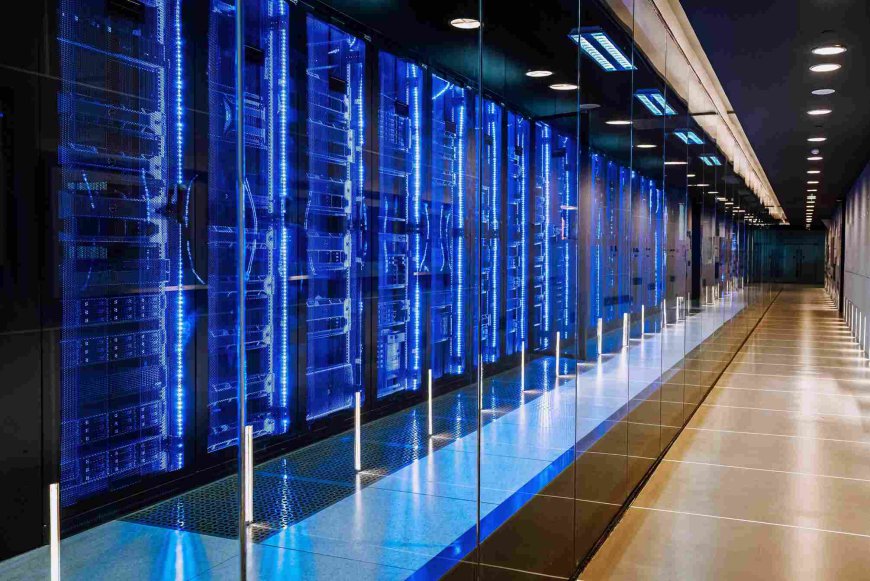
Canadian businesses generate, process, and store more data than ever before. From customer records to financial transactions and internal communications, this data needs to be housed somewhere secure, accessible, and reliable. That's where data center solutions come in. Whether you're a small business owner or an IT decision-maker at a growing enterprise, understanding data center solutions and how to choose the right provider is essential for long-term success.
What Are Data Center Solutions?
Data center solutions refer to the infrastructure, services, and technologies that allow businesses to store, manage, and process their digital data efficiently. Rather than relying solely on in-house servers, many organizations now turn to third-party facilities designed specifically to handle large volumes of data with enhanced security, redundancy, and connectivity.
These solutions typically include server hosting, colocation services, backup and disaster recovery, network connectivity, and cloud integration. Together, they form the backbone of a company's IT operations, ensuring that critical applications and data remain accessible around the clock.
Why Data Centers Matter for Canadian Businesses
Canada's business landscape is increasingly digital, with companies across industries depending on uninterrupted access to their systems. A single hour of downtime can mean lost revenue, damaged customer trust, and operational disruption. Data centers are built to minimize these risks through redundant power supplies, advanced cooling systems, and 24/7 monitoring.
Additionally, Canadian businesses must navigate specific regulatory requirements, including PIPEDA (Personal Information Protection and Electronic Documents Act), which governs how personal data is collected, stored, and protected. Choosing a data center located within Canada helps businesses maintain compliance while keeping data sovereignty concerns in check.
How Do Data Center Solution Providers Support Business Continuity?
Business continuity planning is no longer optional in a world where cyberattacks, natural disasters, and equipment failures can strike at any time. Data center solution providers play a critical role in helping businesses prepare for and recover from unexpected disruptions.
Providers typically offer redundant infrastructure, including backup power generators, multiple internet connections, and geographically distributed backup sites. This means that even if one system fails, operations can continue with minimal interruption. For businesses that cannot afford downtime, such as healthcare providers, financial institutions, and e-commerce companies, this level of redundancy is invaluable.
On-Premise vs. Managed Data Center Solutions
Businesses generally choose between two approaches: maintaining their own on-premise servers or partnering with a managed data center solution provider.
On-premise solutions give companies full control over their hardware and data but require significant upfront investment in equipment, physical space, and IT staff to manage everything. This can be a burden for small and mid-sized businesses without dedicated technical teams.
Managed data center solutions, on the other hand, shift that responsibility to an experienced provider. Businesses benefit from professional-grade infrastructure, expert support, and predictable operating costs without the capital expense of building their own facility. For many growing Canadian businesses, this model offers a more practical and scalable path forward. You can learn more about how data center solutions are structured to support businesses of all sizes.
What Should You Look for in a Data Center Solution Provider?
Not all providers are created equal, and choosing the right one requires careful evaluation. Here are some of the most important factors to consider.
Security and Compliance: A reputable provider should offer physical security measures like biometric access controls, along with cybersecurity protections such as firewalls, intrusion detection, and encryption. They should also demonstrate compliance with Canadian data protection regulations.
Uptime Guarantees: Look for providers that offer service level agreements (SLAs) with strong uptime commitments, typically 99.9% or higher. This ensures your business-critical applications remain accessible.
Scalability: As your business grows, your data needs will grow too. A good provider should offer flexible solutions that scale with you, whether that means additional storage, bandwidth, or computing power.
Network Connectivity: Fast, reliable connectivity between your business locations and the data center is essential. Providers with robust network infrastructure can ensure low latency and consistent performance.
Local Support and Expertise: Working with a provider that understands the Canadian regulatory landscape and offers local support can make a significant difference, especially when issues need to be resolved quickly.
How Do Data Center Solutions Support Remote and Hybrid Work?
The shift toward remote and hybrid work models has changed how businesses think about IT infrastructure. Employees now need secure, reliable access to company systems and data from various locations, not just a central office.
Data center solutions make this possible by centralizing data storage and applications in a secure environment that employees can access remotely through encrypted connections. This reduces the reliance on individual office servers and ensures that team members, whether working from home, a branch office, or on the road, have consistent access to the tools they need.
What Are the Cost Considerations for Small Businesses?
Many small business owners assume that data center solutions are only for large enterprises with big budgets. In reality, the managed services model has made these solutions far more accessible. Instead of a large upfront capital investment, businesses typically pay a predictable monthly fee based on their usage and requirements.
This subscription-based approach allows small businesses to access enterprise-grade infrastructure without the burden of purchasing and maintaining their own equipment. It also frees up internal resources, allowing staff to focus on core business activities rather than IT maintenance.
What Trends Are Shaping Data Center Solutions in Canada?
The data center industry continues to evolve, and several trends are shaping how Canadian businesses approach their infrastructure needs.
Hybrid cloud integration is becoming increasingly common, allowing businesses to combine on-premise systems, private data centers, and public cloud services for greater flexibility. Enhanced cybersecurity measures are also a growing focus, as threats become more sophisticated and businesses seek providers who can offer advanced protection.
Sustainability is another emerging priority, with providers investing in energy-efficient cooling systems and renewable energy sources to reduce their environmental footprint. Canadian businesses increasingly favour providers who align with these environmental goals.
Conclusion
Choosing the right data center solutions and provider is one of the most important infrastructure decisions a Canadian business can make. From ensuring business continuity and regulatory compliance to supporting remote work and scalable growth, a strong data center partnership provides the foundation for reliable, secure operations. As data volumes continue to grow and business needs evolve, working with an experienced provider like CanComCo ensures your business has the infrastructure, support, and expertise needed to stay competitive in today's digital landscape.
FAQs
1. What is the difference between a data center and colocation services?
A data center is the physical facility that houses servers and IT infrastructure, while colocation refers to a service where businesses rent space within that facility to house their own equipment rather than owning the entire facility themselves.
2. How do I know if my business needs a data center solution?
If your business relies heavily on digital data, applications, or online services, and you're concerned about uptime, security, or scalability, a data center solution can help centralize and protect your critical systems.
3. Are data center solutions only for large enterprises?
No, managed data center solutions are designed to be scalable, making them accessible and cost-effective for small and mid-sized businesses as well as large enterprises.