What Firefighters, Police Officers, and EMTs Wish People Understood About Cumulative Trauma
Learn how cumulative trauma affects firefighters, police officers, and EMTs, why it builds over time, and how support can protect mental health.
 truenorthhealing
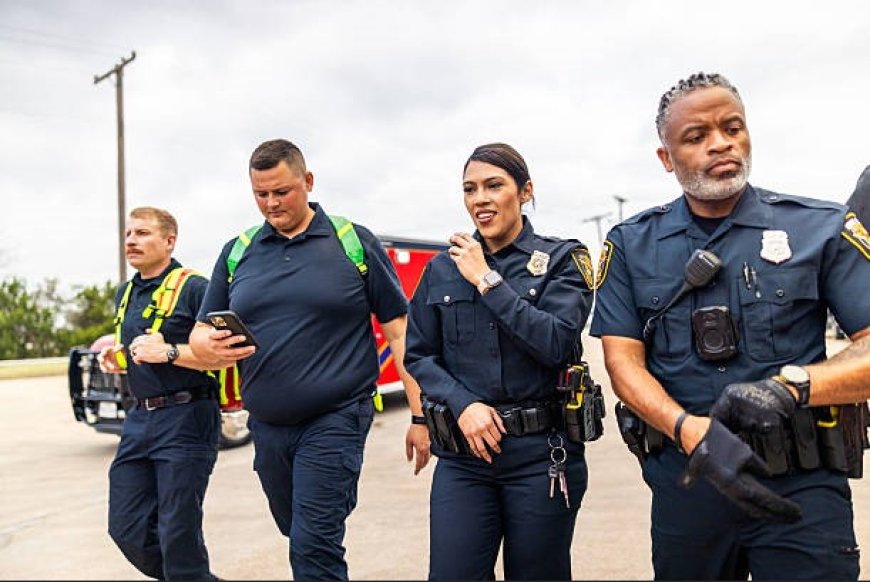
When people think about trauma, they often imagine one life-changing event. A serious accident. A natural disaster. A violent incident. But for firefighters, police officers, and EMTs, trauma rarely comes from just one moment.
Instead, it builds over time.
One difficult call may be manageable. Then comes another. And another. Weeks turn into years of witnessing injuries, loss, violence, emergencies, and grief. Eventually, those experiences begin to leave a lasting mark. This is known as cumulative trauma, and it affects countless first responders across the country.
Many continue showing up for work, helping others every day, while carrying emotional weight that few people ever see.
What Is Cumulative Trauma?
Cumulative trauma is the emotional and psychological impact of repeated exposure to stressful or distressing experiences. Rather than one overwhelming event, it develops through many difficult situations over months or years.
For first responders, these experiences may include:
-
Responding to fatal accidents
-
Treating critically injured patients
-
Witnessing violence or abuse
-
Supporting grieving families
-
Handling child-related emergencies
-
Working through disasters and crises
-
Constant exposure to high-pressure situations
Each event may seem manageable on its own. Together, however, they can slowly wear down emotional resilience.
Cumulative Trauma in First Responders: What They Want People to Know
-
It's Not Just One Bad Day
One of the biggest misconceptions is that first responders only struggle after a particularly horrific incident.
In reality, many say the hardest part is the constant accumulation.
Think of it like carrying a backpack. One stone is easy to manage. Add another every day for years, and eventually the weight becomes overwhelming.
Many firefighters, police officers, and EMTs cannot even identify the exact moment things changed. They simply realize one day that they feel exhausted, emotionally numb, constantly alert, or disconnected from the people they love.
That is often how cumulative trauma works.
-
People See the Uniform, Not the Emotional Cost
Most people recognize first responders for their courage, strength, and ability to stay calm under pressure. What often goes unnoticed is what happens after the emergency ends.
Many first responders finish a difficult shift and return home, expected to act as though nothing happened. Friends and family may never know what they witnessed that day because confidentiality, professionalism, or personal coping habits prevent them from talking openly.
Over time, suppressing these experiences can make emotional recovery much harder.
Being strong does not mean someone is unaffected.
-
The Effects Often Show Up Outside of Work
Cumulative trauma rarely stays confined to the workplace. It may begin affecting nearly every part of daily life, including:
-
Trouble sleeping or frequent nightmares
-
Constant fatigue
-
Irritability or anger
-
Emotional numbness
-
Difficulty concentrating
-
Increased anxiety
-
Feeling detached from family and friends
-
Avoiding conversations about work
Some first responders also struggle with guilt after difficult calls or begin questioning decisions they made during emergencies, even when they acted appropriately.
These reactions are not signs of weakness. They are common responses to prolonged exposure to traumatic experiences.
-
Families Experience the Impact Too
Cumulative trauma does not only affect the person wearing the badge or uniform. Partners, spouses, and children often notice changes before the first responder does.
Someone who was once patient and outgoing may become withdrawn. Conversations become shorter. Family activities feel overwhelming. Emotional distance slowly grows without anyone fully understanding why.
This is one reason many families benefit from working with a couples counselor or participating in family-based support. These conversations help loved ones understand how repeated trauma affects communication, trust, emotional connection, and relationships.
Healing often becomes easier when families learn together instead of facing the challenges alone.
-
Not Every Wound Is Visible
Physical injuries are easy to recognize. Emotional injuries are not. A firefighter may appear confident while quietly replaying difficult rescue scenes. An EMT may smile through conversations while carrying memories of patients they could not save. A police officer may continue working every shift while feeling emotionally exhausted inside.
Because cumulative trauma develops gradually, many people dismiss the warning signs as normal job stress.
Ignoring those symptoms, however, often allows them to become more severe over time.
-
Seeking Help Is Hard
Because first responders face emergencies every day, people often assume they are used to trauma and can handle anything. This can make it harder for them to admit when cumulative trauma is affecting them. They may fear being judged, seen as weak, or treated as less capable.
The truth is that training does not remove the emotional impact of repeated loss and crisis. Trauma counseling can give first responders a private space to process what they have experienced, understand their reactions, and learn healthier ways to cope.
-
Grief Does Not End After One Call
First responders encounter loss more often than most professions. Sometimes they know the victims personally. Other times, they simply carry memories of heartbreaking situations that never completely fade.
Repeated exposure to death and loss creates a unique form of ongoing grief that many people outside emergency services never fully recognize.
Professional grief counseling can help first responders process these losses without feeling overwhelmed by them. Rather than suppressing emotions, they learn healthier ways to acknowledge grief while continuing to serve their communities.
Recognizing grief as a normal response is an important step toward long-term emotional health.
Conclusion
Firefighters, police officers, and EMTs do extraordinary work, but they are not immune to the emotional effects of repeated trauma. Cumulative trauma develops quietly through years of serving others, often long before anyone notices the signs.
By understanding what first responders experience beyond the emergency scene, we can reduce stigma, encourage earlier support, and remind those who protect our communities that their mental well-being deserves care, too.
FAQs
1. Can cumulative trauma affect first responders even if they have never experienced PTSD?
Yes. Cumulative trauma and PTSD are not the same thing. A first responder may not meet the criteria for PTSD but can still experience emotional exhaustion, difficulty concentrating, irritability, or changes in mood after years of repeated exposure to stressful situations.
2. What types of therapy services are available for first responders?
Many therapy services are designed to meet the unique needs of first responders. Depending on the individual, support may include one-on-one counseling, family or relationship counseling, group therapy, stress management techniques, or specialized trauma-focused approaches that help process repeated exposure to critical incidents.
3. Can taking time off alone help someone recover from cumulative trauma?
Time away from work can provide temporary relief, but it does not always address the emotional impact of cumulative trauma. If the underlying stress and unresolved experiences remain unprocessed, the same feelings may return after work resumes. Long-term recovery often requires healthy coping strategies and appropriate professional support.