What Industries Benefit Most From Biomarker Research?
Biomarker research impacts pharma, biotech, healthcare, agriculture, and more, improving diagnostics, drug development, and data-driven science.
 smitjohn11
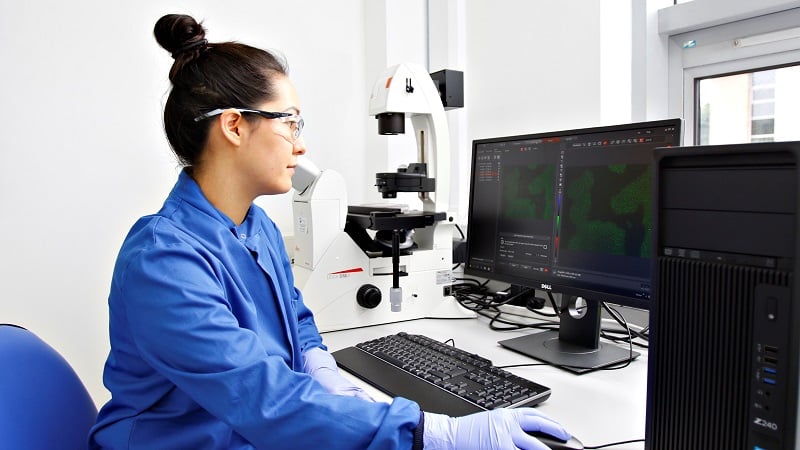
Biomarker research continues to influence multiple industries by offering measurable biological signals that support scientific accuracy and innovation. Organizations rely on these indicators to understand disease behavior, improve diagnostics, and refine product development strategies. The growing relevance of Biomarker Discovery Services has strengthened research capabilities by helping identify reliable biological markers linked to health conditions and treatment responses. Industries now depend on these insights to reduce uncertainty in decision-making and improve efficiency in research processes. As scientific methods advance, biomarker applications expand across healthcare, agriculture, environmental science, and industrial innovation.
Understanding Biomarker Research
Biomarker research focuses on identifying biological indicators that reflect normal or abnormal processes in living organisms. These indicators may include proteins, genes, enzymes, or metabolites that provide valuable insight into health status and disease progression. Researchers analyze these signals to understand how the body responds to treatments, environmental factors, and genetic changes. The significance of this research lies in its ability to convert biological data into actionable insights. Industries use these findings to support diagnostics, develop targeted therapies, and improve accuracy in scientific evaluations and commercial applications.
Pharmaceutical Industry Dependence on Biomarkers
The pharmaceutical sector relies heavily on biomarkers to streamline drug discovery and reduce development risks. These biological indicators help researchers identify drug targets, assess safety, and measure treatment effectiveness. Clinical trials benefit from biomarker data by improving patient selection and monitoring therapeutic responses more accurately. Pharmaceutical companies also use biomarkers to eliminate ineffective compounds earlier in the development cycle, reducing costs and saving time. This approach supports faster delivery of safe and effective medications while improving the overall efficiency of drug development pipelines across global research programs.
Biotechnology Sector and Biomarker Innovation
Biotechnology companies use biomarkers to explore complex biological systems and develop advanced medical solutions. These indicators support research into genetic pathways, disease mechanisms, and cellular behavior. Biomarker data allows biotech firms to design precision-based therapies that target specific conditions with greater accuracy. Research collaborations between biotechnology companies and academic institutions often rely on biomarker insights to validate experimental findings. This cooperation drives innovation in personalized medicine, diagnostics, and therapeutic development, creating new opportunities for scientific advancement and commercial application across life sciences industries.
Healthcare and Diagnostic Industry Applications
Healthcare systems and diagnostic laboratories depend on biomarkers to detect diseases at earlier stages and improve patient outcomes. These indicators provide measurable data that helps clinicians identify conditions with greater accuracy. Biomarker-based testing supports ongoing patient monitoring and allows healthcare providers to evaluate treatment effectiveness over time. Diagnostic accuracy improves as biological signals reduce uncertainty in test results. Hospitals and laboratories use these tools to make informed clinical decisions, leading to better patient care and more efficient healthcare service delivery across medical systems.
Medical Device Industry Integration
Medical device manufacturers use biomarker research to develop advanced monitoring tools that track patient health conditions in real time. These devices collect biological data that supports early detection and continuous health assessment. Integration with digital health technologies allows seamless tracking of physiological changes and treatment responses. Wearable devices and smart monitoring systems rely on biomarker information to deliver personalized health insights. This integration improves patient care by enabling timely interventions and supporting long-term health management through accurate and data-driven medical technologies.
Academic and Research Sector Contributions
Universities and research institutions use biomarker studies to expand knowledge of biological processes, genetics, and disease mechanisms. These studies support scientific discovery and contribute to the development of new medical approaches. Academic programs rely on biomarker research to train future scientists in data analysis and laboratory techniques. Research funding and grants often prioritize biomarker-based projects due to their strong potential for innovation. Collaborative studies between institutions and industry partners strengthen scientific progress and lead to breakthroughs that benefit healthcare, biotechnology, and environmental science.
Agriculture and Environmental Science Applications
Agricultural research benefits from biomarkers by improving livestock health management and crop productivity. Scientists use biological indicators to detect diseases in animals and monitor plant responses to environmental stress. Environmental science also relies on biomarkers to measure pollution levels and assess ecosystem health. These applications provide valuable insights into how living organisms respond to changing conditions. Data collected from biomarker studies supports sustainable farming practices and environmental protection efforts. This helps industries develop strategies that improve productivity while maintaining ecological balance and resource efficiency.
Nutritional and Food Industry Applications
The food and nutrition industry uses biomarkers to evaluate how dietary products affect human health and metabolism. Researchers study nutrient absorption, biological responses, and long-term health impacts using measurable indicators. This information supports the development of functional foods and targeted nutritional solutions. Biomarker research also helps validate health claims associated with dietary products, increasing consumer trust. Growing demand for evidence-based nutrition continues to drive investment in biomarker studies, making them a key component in developing healthier food options and wellness-focused products.
Emerging Opportunities in Biomarker Research
Advancements in artificial intelligence and data analytics are expanding the potential of biomarker research. Machine learning tools help identify complex biological patterns that improve diagnostic accuracy and research efficiency. Increased global investment in precision medicine supports the development of personalized healthcare solutions based on biomarker data. Industries are adopting advanced technologies to analyze large datasets and improve decision-making processes. These developments create opportunities for innovation across pharmaceuticals, healthcare, and environmental science, strengthening the role of biomarkers in future scientific and industrial progress.
Conclusion
Biomarker research plays a vital role in shaping advancements across pharmaceuticals, biotechnology, healthcare, diagnostics, medical devices, agriculture, environmental science, nutrition, and academic research. Its ability to provide measurable biological insights supports accurate decision-making and improves efficiency across industries. Organizations continue to depend on biomarker data to reduce risks, accelerate development, and improve outcomes. As scientific research evolves, biomarker applications will remain essential in driving innovation and supporting data-driven strategies across global industries.