What Makes Skin Barrier Repair a Key Topic in Skincare Now?
Learn why skin barrier repair has become a major focus in skincare, helping support moisture balance, reduce irritation, and maintain a healthier, stronger complexion.
 persactivelab
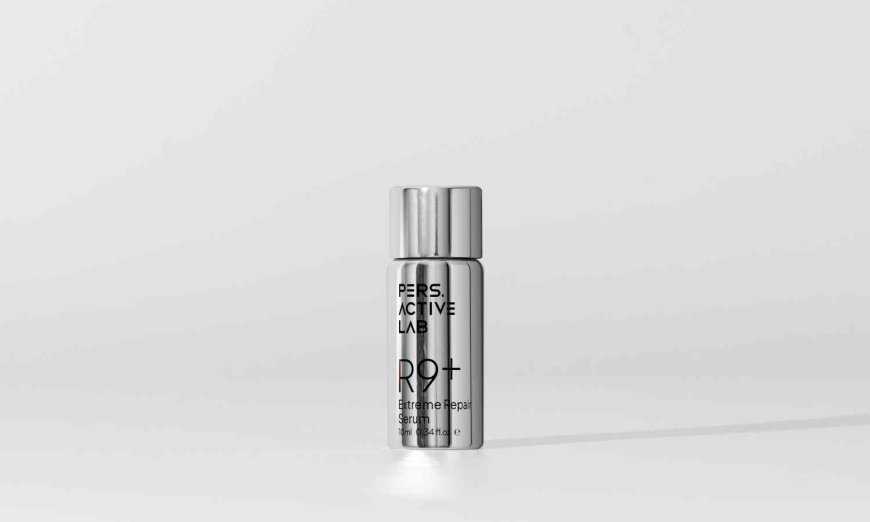
Skin barrier has become a central point of discussion in modern skincare. People now focus more on long-term skin health rather than short-term fixes, and the skin barrier plays a critical role in that shift. When this outer layer stays strong, the skin holds moisture better, reacts less to external stress, and maintains a smoother, healthier look. Because many people experience dryness, irritation, and sensitivity due to fast-paced lifestyles and product overuse, skin barrier repair has become a priority. Products like a skin barrier repair serum now play an essential role in daily routines.
This article explains why the topic holds so much attention, how the barrier functions, and why proper care makes a major difference for every skin type.
What Is the Skin Barrier and Why Does It Matter?
The skin barrier refers to the outermost layer of the skin. This layer acts as a protective shield against pollution, bacteria, UV rays, and irritants. It also holds moisture inside the skin, allowing it to stay soft, stable, and balanced.
When the barrier works well:
- Moisture levels remain steady
- Irritation stays minimal
- Breakouts reduce
- The skin appears brighter and smoother
When the barrier weakens, the skin loses water quickly and becomes prone to redness, dryness, and sensitivity. This has led both skincare professionals and consumers to shift their attention to barrier repair.
Why Skin Barrier Repair Became a Major Focus in Recent Years
Several factors have contributed to the growing attention around barrier repair:
1. Increased Sensitivity Due to Skincare Overuse
A large number of people now use multiple active ingredients retinoids, acids, exfoliants, and strong formulas at the same time. This often leads to irritation, redness, and dryness. When the barrier becomes compromised, even simple products start causing discomfort.
This rise in sensitivity encouraged many consumers to switch their routines and prioritize products that support the barrier instead of breaking it down.
2. Harsh Environmental Exposure
Air pollution, dust, changing climates, and UV rays all place stress on the skin. These factors weaken the outer layer and increase moisture loss. As more cities face high pollution levels, the need for barrier repair products continues to grow.
People now seek skincare solutions that support the skin’s natural defense system rather than only focusing on superficial results.
3. Greater Awareness of Moisture Balance
People have started to understand that long-term skin health depends on hydration. A strong barrier holds moisture, while a damaged one loses it quickly. This water loss leads to dullness, rough texture, and early signs of aging.
Because of this, hydration-based routines have gained popularity. Products like ceramide creams, squalane oils, and hyaluronic acid serums now play a central role in barrier care.
4. Stress and Lifestyle Habits Affect the Skin
Fast-paced lifestyles, poor sleep, hormonal changes, and diet-related issues can weaken the skin. Stress releases hormones that alter oil production and reduce the skin’s ability to repair itself. As these issues rise globally, the demand for skin barrier repair grows along with them.
5. Minimalist Skincare Trends
The shift toward simpler routines has led many people to focus on products that support skin resilience rather than using ten different products each day.
Minimalist routines often prioritize:
- Gentle cleansers
- Barrier repair serums
- Ceramide-rich moisturizers
- Sunscreen
This trend has pushed the topic further into the spotlight.
How Skin Barrier Damage Appears
A damaged barrier shows clear signs. Some of the most common include:
- Dryness
- Redness
- Flaking
- Tightness
- Stinging after applying products
- Patchy texture
- Breakouts or irritation
When these issues appear, repairing the barrier becomes essential before introducing strong active ingredients.
Essential Ingredients That Support Skin Barrier Repair
Not all ingredients help the same way. Below are the most effective ones seen in today’s skincare routines.
Ceramides
Ceramides form a major part of the skin’s natural protective layer. They hold the barrier together and help prevent moisture loss. Products with ceramides remain among the most trusted solutions for barrier repair.
Hyaluronic Acid
This ingredient attracts water and keeps the skin hydrated. While it does not repair the barrier on its own, it supports moisture balance and reduces dryness-related irritation.
Niacinamide
Niacinamide supports skin clarity, helps maintain moisture, and contributes to a stronger barrier. It suits all skin types, including sensitive skin.
Squalane
Squalane offers lightweight hydration and supports the skin’s natural oils. It helps reduce dryness without clogging pores.
Fatty Acids
Ingredients like linoleic acid and omega-rich oils help strengthen the lipid layer and support smoother texture.
Panthenol (Vitamin B5)
Panthenol helps soothe the skin and supports moisture retention. It works well for irritated or compromised skin.
Centella Asiatica Extract
Often used in calming products, this ingredient helps reduce irritation and supports recovery.
How to Repair the Skin Barrier Step by Step
Repairing the skin barrier requires consistency, not excessive products. Below is a simple routine that supports long-term results:
1. Use a Gentle Cleanser
Choose a low-foam, non-stripping cleanser that protects natural oils. Over-cleansing is one of the main reasons the barrier weakens.
2. Add a Hydrating Serum
Use hydrating serums with ingredients such as hyaluronic acid or panthenol. These help balance moisture levels.
3. Apply a Barrier Repair Moisturizer
Look for moisturizers with ceramides, peptides, squalane, or fatty acids. These build strength and stability in the outer layer.
4. Reduce Harsh Active Ingredients Temporarily
Skin needs time to recover. Pausing strong acids or retinoids gives the barrier room to rebuild.
5. Use Sunscreen Every Day
UV exposure weakens the barrier, increases moisture loss, and triggers irritation. Using sunscreen daily protects the repair process.
6. Maintain Consistency
Barrier repair takes time, especially if the damage is severe. With daily care, the skin begins to regain its smoothness, softness, and resilience.
Why Skin Barrier Repair Benefits All Skin Types
Regardless of age or skin type, the barrier remains crucial. Here’s why:
- Dry skin loses moisture quickly and benefits from ceramide-rich products.
- Oily skin often becomes sensitive due to over-cleansing and harsh treatments.
- Sensitive skin reacts quickly, and barrier repair reduces discomfort.
- Aging skin needs support as natural lipid production decreases.
A strong barrier keeps every skin type more balanced and comfortable.
Long-Term Benefits of a Healthy Skin Barrier
Strengthening the barrier offers multiple lasting benefits, such as:
- Better hydration
- Reduced irritation
- Balanced oil production
- Improved texture
- Less redness
- Faster recovery from environmental stress
- Smoother makeup application
- Fewer sensitivity or flare-ups
These improvements explain why skin barrier repair has become a key focus in skincare brands, clinics, and consumer habits.
FAQs
1. What causes a weak skin barrier?
Over-cleansing, harsh exfoliants, pollution, stress, and UV exposure are some of the most common factors.
2. How long does it take to repair the skin barrier?
Most people see improvements within two to six weeks with consistent care.
3. Can oily skin have a damaged barrier?
Yes. Oily skin can become sensitive due to harsh products or excessive cleansing.
4. Do strong active ingredients weaken the barrier?
Yes. Retinoids, acids, and strong exfoliants can irritate the skin if used too often.
5. Is ceramide cream good for daily use?
Yes. Ceramides support the outer layer and work well for daily application.
6. Should I stop exfoliating completely during barrier repair?
It’s best to pause strong exfoliation until the skin feels stable again.
7. Does sunscreen help with barrier repair?
Yes. Sunscreen protects the skin from UV-induced irritation and moisture loss.