What Really Works as the Best Fly Killer in Your Home
 walaeric704@gmail.com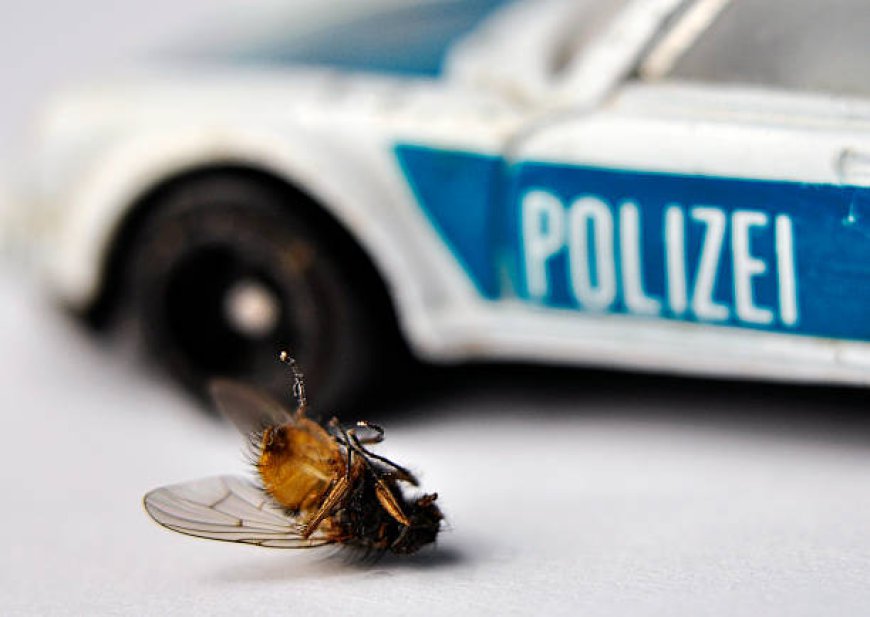
Flies Everywhere? Let’s Talk About the Real Problem
You ever walk into your kitchen, early morning, coffee not even ready yet, and there they are. Flies. Buzzing around like they own the place. It’s annoying, sure, but it’s also a sign something’s off. Flies don’t just show up for fun. They’re after food, moisture, garbage… the usual messy human stuff.
Now, people ask all the time about the best fly killer. They want something quick. Something brutal, honestly. Something that just works. But here’s the thing — killing flies is only half the story. If your place has food scraps, open trash, pet waste, or even a tiny moisture problem, those flies are going to keep coming back. Over and over.
And sometimes flies aren’t the only problem. A house with fly issues often ends up dealing with rodents too. That’s where the conversation suddenly shifts to rodent control cost, because mice and rats don’t exactly leave quietly. Different pests, same root issue: access and food. Fix those, and half the battle is already won.
Still… when flies are buzzing around your head while you’re eating dinner? Yeah, you want them gone. Immediately.
What Actually Makes the Best Fly Killer Effective?
People assume sprays are the answer. Sometimes they are. But honestly, the best fly killer isn’t always the loudest solution.
A good fly killer does three things. First, it attracts flies. Second, it traps or kills them fast. Third, it keeps working without you babysitting it every five minutes. Simple formula, but a lot of products miss the mark.
Electric fly traps? Pretty effective. They use light to lure flies in, then zap them. Sticky traps? Ugly, but surprisingly powerful. Bait traps work too, especially outdoors where flies breed like crazy.
The mistake people make is buying something cheap, using it once, and expecting miracles. Flies reproduce fast. Real fast. One small infestation can turn into dozens within days. So the best fly killer is usually part of a system — traps, sanitation, and maybe a professional pest treatment if things get out of hand.
Ignore the system part, and you’re just swatting flies forever.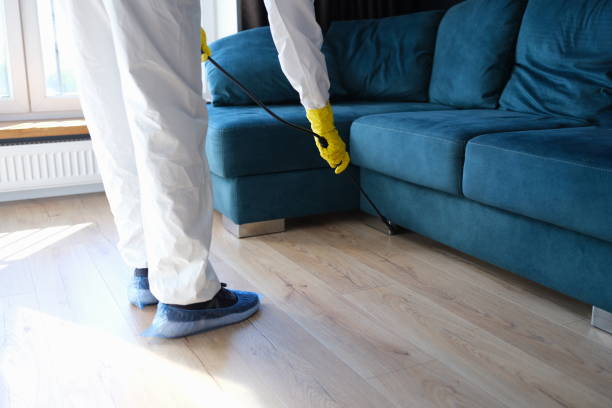
Kitchen Flies vs Outdoor Flies – Two Different Battles
Not all flies are the same. That’s something homeowners figure out the hard way.
Those tiny flies near fruit bowls? Fruit flies. They love fermentation. Rotting bananas are basically a five-star restaurant for them. Then you’ve got house flies. Bigger, louder, way more annoying. And outside… garbage flies or blowflies. Those are the ones you really don’t want hanging around.
Choosing the best fly killer depends on which one you're dealing with. A UV light trap works well for house flies inside. Apple cider vinegar traps crush fruit flies. Outdoor bait traps? Perfect for trash areas.
People often use indoor sprays outside or vice versa, and then complain nothing works. Wrong tool, wrong fight.
And when flies are hovering around outdoor trash cans or pet food areas, that’s when rodent problems start sneaking in too. Rodents follow the same scent trails. Suddenly you're researching rodent control cost online because a couple of flies turned into something bigger.
Funny how that happens.
Natural Fly Killers That Actually Work (Sometimes)
Look, natural remedies get a lot of hype online. Some work. Some… not so much.
Essential oils like peppermint, lavender, and eucalyptus can repel flies. Notice the word repel. They don’t always kill them. Still, for people who hate chemicals, these can help reduce activity indoors.
Another trick people swear by is the classic vinegar and dish soap trap. A bowl, some apple cider vinegar, a drop of soap to break surface tension. Flies land, they sink. Game over.
Is it the best fly killer on the market? Probably not. But it works in small infestations.
Then there’s herbs like basil or mint plants near windows. Flies dislike the smell. Again… this is prevention more than extermination.
If flies are already everywhere, natural methods can feel like bringing a spoon to a knife fight.
Electric Fly Zappers: Old School but Still Powerful
There’s a reason restaurants still use electric fly killers. They’re simple. Light attracts flies, flies get zapped. End of story.
For many homeowners, this ends up being the best fly killer simply because it’s low effort. Plug it in, let it run. No sprays, no sticky mess.
Modern versions are quieter too. Less of that loud zap noise every few seconds.
Placement matters though. A lot. Put it too close to food areas and you’ll attract more flies inside. Too far away and it barely catches anything. Ideally, it goes near entry points like back doors or garages.
Professional pest technicians often recommend these as a long-term solution because they work continuously. But again — sanitation matters. If your garbage can smells like a landfill, no zapper on earth will keep up.
When Fly Problems Signal Bigger Pest Issues
Here’s something pest control pros notice right away. A house with heavy fly activity often has other pest problems brewing.
Flies love organic waste. So do rodents.
If flies are constantly hovering around a pantry, garage, or outdoor storage area, it might mean food sources are open somewhere. Maybe spilled grain. Maybe pet food bags. Maybe trash bins that don’t close tight.
That’s when homeowners suddenly start asking about rodent control cost too. Because mice and rats don’t take long to show up once food is available.
Rodent treatments vary wildly in price. A small mouse issue might cost a couple hundred dollars to fix. A full rat infestation? That can climb into the thousands depending on the property size and damage.
Point is, flies can sometimes be the early warning system. Weird, but true.
Why DIY Fly Killers Sometimes Fail Miserably
People try everything before calling pest control. Sprays, candles, DIY traps, YouTube hacks. Some work for a while. Many… don’t.
The biggest mistake is treating symptoms instead of the source.
Killing ten flies doesn’t matter if there’s a breeding site nearby. Garbage bins. Drain sludge. Compost piles. Even clogged gutters can attract flies.
So when someone asks about the best fly killer, the honest answer is slightly annoying: the best solution combines killing flies and removing what attracts them.
Otherwise it becomes a daily routine. Spray, swat, repeat.
DIY can still work. But only if you’re willing to investigate the messy parts of your home environment.
Professional Pest Control vs DIY Solutions
At some point, frustration pushes people toward professional pest control. Especially when flies just keep coming back.
A professional technician usually starts with inspection. Not glamorous, but important. They look for breeding sites, entry points, moisture problems.
Then comes treatment — traps, residual insecticides, sanitation advice.
This is also where homeowners ask about rodent control cost because technicians often check for rodent signs at the same time. Pest problems rarely travel alone.
Professional fly control services aren’t always expensive, but they depend on property size and infestation level. A basic service might cost less than people expect. But ignoring the issue for months? That’s when prices climb.
Early action always saves money. Always.
Simple Prevention Tricks That Make a Huge Difference
Here’s the boring truth nobody wants to hear: preventing flies is easier than killing them.
Keep trash sealed. Clean drains regularly. Don’t leave fruit sitting out for days. Pet waste outside? Pick it up fast. These tiny habits matter more than any spray bottle.
Good window screens help too. Same with door sweeps that block tiny entry gaps.
And if you’re dealing with outdoor flies near garbage areas, using bait traps outside your home perimeter can stop them before they enter. That’s often the secret behind what people call the best fly killer strategy — stopping flies before they reach your kitchen.
The same prevention habits help avoid rodents as well. Less food access means fewer pests overall, which keeps rodent control cost from becoming an unexpected household expense.
Pest control is mostly about habits. Not chemicals.
Conclusion: The Truth About Finding the Best Fly Killer
If you’re hoping for one magic product that wipes out every fly forever… yeah, that doesn’t really exist.
The best fly killer is usually a mix of tools. Maybe an electric trap inside. Outdoor bait traps near garbage areas. A few sanitation fixes that stop flies from breeding in the first place.
That combination works. Consistently.
And if flies are appearing in big numbers, don’t ignore it. They might be pointing to something bigger — food waste problems, moisture issues, or even early rodent activity. When that happens, looking into rodent control cost sooner rather than later can save a lot of stress and money.
Flies are small, but they’re persistent. Deal with them properly, though, and your home goes back to quiet again. No buzzing, no swatting during dinner, no random panic when guests come over.
Just peace. And honestly, that’s worth the effort.
FAQs About the Best Fly Killer and Pest Control
What is the best fly killer for indoor use?
For indoor spaces, electric UV traps are often considered the best fly killer because they work continuously without chemicals. Sticky traps and bait traps also work well, especially in kitchens or near entry doors.
Are natural fly killers effective?
Natural remedies like vinegar traps or essential oils can help with small fly problems. However, for large infestations they usually aren’t strong enough on their own.
Why do flies suddenly appear in large numbers?
Flies usually show up when there’s a food source nearby — trash, pet waste, spoiled food, or drain buildup. Once they find a breeding spot, populations grow very quickly.
How much does rodent control cost for a home?
The rodent control cost varies depending on infestation severity and property size. Minor mouse problems might cost a few hundred dollars, while larger rat infestations can cost significantly more if structural repairs or extensive treatments are needed.
Can fly infestations attract rodents?
Yes, indirectly. Both flies and rodents are drawn to food waste and garbage. If flies are active around trash areas, rodents may eventually appear too, which increases overall pest control needs.