What Size Boat Trailer Do You Need? Complete Guide for 5m to 6m Boats
Find the right boat trailer size for 5m to 6m boats. Learn trailer dimensions, weight capacity, and key factors for safe towing.
 alycrafttrailers
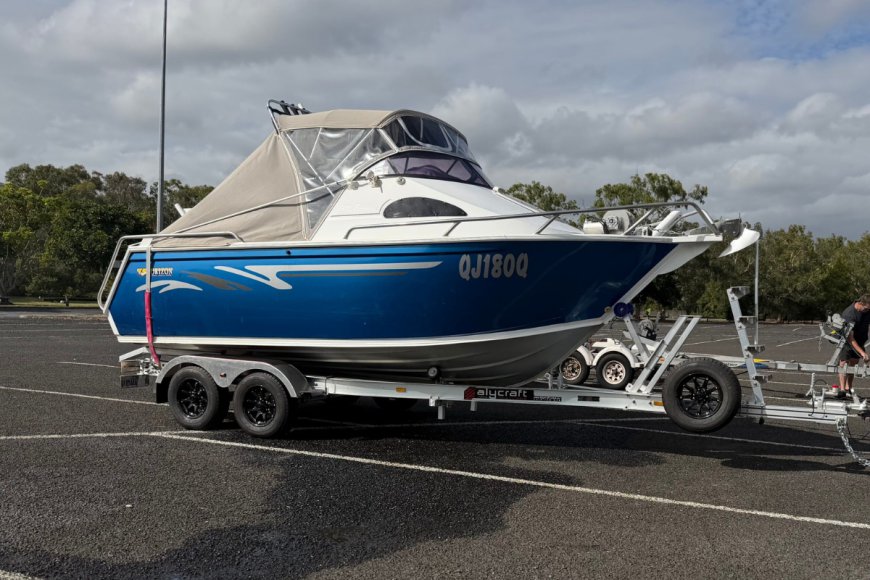
Choosing the right boat trailer size is one of the most important decisions for any boat owner. A trailer that matches your boat correctly makes launching, towing, storing, and maintaining your vessel much easier. For boats between 5 metres and 6 metres in length, selecting the correct trailer involves more than simply matching the boat length. Factors such as boat weight, hull design, engine size, equipment, and towing requirements all play an important role in finding the right fit.
For Australian boat owners, especially those navigating coastal areas, rivers, and waterways, having a reliable trailer designed for local conditions is essential. A properly sized trailer provides better support for the hull, improves towing stability, and helps protect your investment. Whether you own a smaller fishing boat or a larger family vessel, understanding trailer sizing will help you make a confident choice. This complete guide explains what size boat trailer you need for 5m to 6m boats and what features to consider before making a decision.
Understanding Boat Trailer Sizes
Boat trailer sizes are generally determined by the length and weight capacity they are designed to carry. While boat length is an important starting point, it is not the only measurement that matters. Two boats with the same length can have very different weights depending on their construction materials, accessories, fuel capacity, and motor size.
A trailer should always have enough capacity to safely support the total loaded weight of your boat. This includes the hull, engine, fuel, battery, safety equipment, fishing gear, and any additional items stored onboard during transport. Choosing a trailer based only on the boat length can result in poor performance if the trailer is not strong enough for the complete setup.
For boats in the 5m to 6m range, owners typically need a trailer that offers a balance between strength, stability, and practical towing ability. The correct trailer should support the hull evenly while allowing easy launching and retrieval.
Choosing the Right Trailer for a 5m Boat
A 5m boat is a popular choice among Australian boating enthusiasts because it offers versatility for fishing, recreation, and family outings. However, even within this size category, there can be significant differences in weight and design.
When selecting a 5m boat trailer, consider the boat’s loaded weight rather than its empty weight. A lightweight boat with minimal equipment may require a different trailer setup compared with a fully equipped fishing boat carrying extra batteries, storage systems, and a larger motor.
A quality 5m boat trailer in the Queensland option should provide strong support, a suitable load capacity, and features that handle Australian conditions. Coastal environments can expose trailers to saltwater, so corrosion resistance and durable materials are important considerations. The trailer should also provide secure support points to prevent unnecessary movement during transportation.
The hull shape also affects trailer selection. Deep-V hulls, flat-bottom boats, and modified designs may require different roller or support arrangements to distribute weight correctly. A well-matched trailer reduces stress on the hull and makes launching more convenient.
Selecting a Trailer for a 6m Boat
Boats around 6 metres are larger, heavier, and often equipped with more accessories than smaller vessels. They usually require a trailer with increased strength and a higher load capacity to ensure safe towing.
A 6m boat trailer should be selected according to the full weight of the boat package, not just the length measurement. Many 6m boats carry larger engines, additional fuel, fishing equipment, electronics, and other accessories that significantly increase the towing weight.
A suitable trailer for this boat size should provide excellent balance and stability. The trailer frame needs to handle the weight effectively while maintaining smooth movement on roads. Suspension quality, braking requirements, and wheel specifications are also important factors when selecting a trailer for a heavier boat.
Australian boat owners should also consider how frequently they plan to use their boat. A trailer used regularly for long-distance travel should offer durability and easy maintenance. A trailer used occasionally may have different priorities, but reliability should always remain a key consideration.
Key Measurements You Need Before Buying a Boat Trailer
Before choosing a trailer, accurate measurements are essential. The first measurement is the overall boat length, including any extended sections that affect trailer support. Measuring only the hull length may result in selecting a trailer that is too short.
The boat’s beam width, which is the widest point of the boat, should also be considered. The trailer must provide enough width and support without creating unsafe towing conditions.
Another important measurement is the boat’s total loaded weight. This should include everything that will normally remain on the boat during transport. Overloading a trailer can affect braking performance, handling, and safety.
The position of the boat’s centre of gravity is another factor that influences trailer setup. Proper weight distribution helps maintain stability while towing. Too much or too little weight placed on the trailer coupling can create handling issues.
Taking accurate measurements before purchasing prevents common problems and helps ensure the trailer matches the boat correctly.
Important Features of a Quality Boat Trailer
A good boat trailer should offer more than just the correct size. It should provide practical features that improve safety, convenience, and durability.
One important feature is a strong frame design. The frame must be capable of handling the boat’s weight while remaining stable during transport. Materials should be selected for durability, especially because Australian boating conditions often involve exposure to water and changing weather.
Support systems are also important. Rollers, skids, and other support components should hold the boat securely while allowing smooth launching and retrieval. Incorrect support placement can place unnecessary pressure on the hull.
Braking systems are another important consideration, particularly for heavier boats. A trailer carrying a larger vessel requires effective stopping ability and must match towing requirements.
Easy maintenance is also valuable. Features that allow simple cleaning and inspection help extend trailer life and reduce long-term ownership costs.
Matching Your Trailer to Your Towing Vehicle
The boat trailer is only one part of the towing setup. Your towing vehicle must also be capable of safely handling the combined weight of the trailer and boat.
Before purchasing a trailer, check the towing capacity of your vehicle and compare it with the complete loaded weight of your boat. The combined weight includes the trailer itself, boat, engine, fuel, and equipment.
A trailer that is suitable for a 5m or 6m boat may still be unsuitable if the towing vehicle cannot handle the load. Safe towing depends on having a balanced combination of boat, trailer, and vehicle.
Good towing practices also include checking tyre condition, securing the boat correctly, ensuring lights are working, and inspecting the trailer before every trip. These simple steps help create safer journeys and reduce unexpected issues.
Common Mistakes When Choosing a Boat Trailer
One of the most common mistakes boat owners make is selecting a trailer based only on boat length. Length is important, but weight capacity and design compatibility are equally necessary.
Another mistake is choosing a trailer with very little extra capacity. While it may seem cost-effective initially, a trailer operating close to its maximum limit can experience more stress and wear over time.
Ignoring future upgrades is another issue. Many boat owners add equipment such as additional storage, electronics, or larger motors later. Choosing a trailer with suitable capacity from the beginning can prevent replacement costs in the future.
Some owners also overlook maintenance requirements. Boat trailers operate in demanding environments, especially around saltwater. Regular cleaning, inspections, and proper care are essential for long-term performance.
Boat Trailer Maintenance Tips for Australian Conditions
Regular maintenance helps keep your trailer safe and reliable. After using a boat trailer in saltwater environments, washing away salt and debris is important to reduce corrosion risks.
Inspecting key components such as wheels, bearings, rollers, lights, and structural areas should become part of your regular routine. Early identification of wear can prevent larger problems and unexpected repairs.
Keeping moving parts properly maintained also improves trailer performance. Components that support launching and retrieval should operate smoothly to make every boating trip easier.
Storage conditions also matter. When possible, storing the trailer in a protected area can help reduce exposure to harsh weather. Even durable trailers benefit from proper care and regular checks.
How to Choose the Best Trailer Size for Your Needs
The ideal boat trailer size depends on how you use your boat, where you travel, and what equipment you carry. A person who frequently travels long distances may prioritise durability and towing stability, while someone who launches locally may focus more on convenience and ease of use.
For boats between 5m and 6m, the right trailer should provide enough strength without being unnecessarily oversized. A properly matched trailer improves handling, protects the boat, and creates a more enjoyable ownership experience.
Consider your current boat setup as well as future needs. Selecting a trailer with appropriate capacity and quality construction ensures you are prepared for different boating activities.
Professional advice can also help when you are uncertain about measurements, capacity, or compatibility. Taking the time to choose correctly will provide better performance and greater confidence every time you transport your boat.
Conclusion
Selecting the correct trailer size for a 5m to 6m boat requires careful consideration of length, weight, hull design, equipment, and towing requirements. A properly matched trailer improves safety, protects your boat, and makes launching and transporting much easier.
Whether you need a trailer for a smaller 5m vessel or a larger 6m boat setup, focusing on quality construction, suitable capacity, and reliable performance will help you make the right choice. Australian boating conditions require trailers that can handle regular use, changing environments, and the demands of transporting valuable equipment.
For dependable boat trailer solutions and more information about choosing the right setup for your needs, explore Alycraft Trailers and find options designed to support your boating lifestyle.