What to Look for in an Industrial Building Contractor in Texas
Learn what to look for in an industrial building contractor in Texas, including experience, compliance, cost control, safety, and project delivery expertise.
 EndrewJason
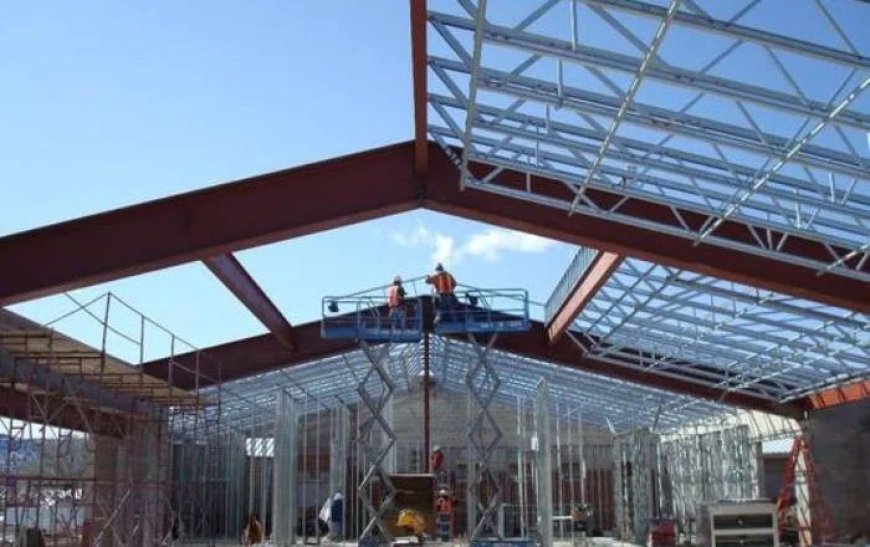
Manufacturing logistics and warehouses remain robust in Texas. Due to the growing need of industries, the importance of experienced construction partners is on the rise. It takes more than basic building skills in industrial facilities. They entail stringent rules, complex systems, and strategic operational planning.
The choice of an appropriate building contractor can directly impact project timelines, safety, and costs. Any mistakes during the construction phase can lead to future operational problems.
This guide highlights factors to consider when selecting an industrial building contractor to assist owners in making informed decisions about complex industrial projects.
Understanding Industrial Construction Requirements
The construction of industrial facilities differs from commercial or residential construction in terms of scale, function, and regulation. The facilities (distribution centers, manufacturing plants, warehouses) need to sustain heavy equipment, specialized workflow, and further growth.
Additional regional considerations in Texas industrial projects include climate resilience, local zoning regulations, and utility capacity. Contractors should be aware of the impact of these factors on the structure design, materials, and timing.
The primary factor to consider before any partnership is the experience in the field of industrial-specific challenges.
Experience in Industrial Projects
Proven experience is a significant factor in identifying the capability of a contractor to deliver complex builds.
Portfolio of Industrial Projects
An efficient contractor must have experience working on similar facilities, such as a warehouse, production plant, or logistics hub. The history of past projects illustrates the ability of a contractor to manage scale, coordination, and technical requirements.
Familiarity with Texas Regulations
In Texas, building codes, fire safety regulations, and environmental regulations differ by city and county. General contractors with prior knowledge of local authorities can minimize compliance risks and delays in approvals.
Multi-Trade Coordination
Industrial projects demand coordination among structural, mechanical, electrical, and process systems. These trades are handled by the experienced contractors to avoid conflicts and rework.
Licensing, Compliance, and Safety Standards
In industrial construction, compliance plays a critical role as safety and regulation are highly enforced.
Effective Licensing and Insurance
Contractors must hold valid Texas licenses and maintain relevant insurance coverage. This safeguards the owners against liability and meets legal requirements during construction.
OSHA and Safety Programs
Jobs in industries are risky and characterized by heavy machinery. Structured safety programs by experts minimize work-related accidents and keep them in line with OSHA regulations.
Environmental and Code Compliance
The facilities usually need stormwater management, energy efficiency, and environmental approvals. Contractors who are well aware of such requirements prevent expensive redesigns or fines.
Accurate Cost Estimation
It’s important for the owners to have a clear picture of the cost breakdown, including materials, labor, equipment, and contingencies. Clearly estimated costs minimize the possibility of unforeseen costs.
Value Engineering
Established contractors propose alternative materials or construction operations that save money without compromising performance and longevity.
Schedule and Cost Tracking
Continued budget tracking makes sure that modifications are recorded and managed. Effective communication helps owners understand the effects of their decisions on overall costs.
U.S. construction statistics indicate that a lack of planning and contractor coordination can add 10-15 % to the cost of industrial projects, underscoring the need to hire experienced personnel.
Design Co-ordination and Buildability
Industrial facilities should accommodate current and future demands.
Partnership with Designers
Workers who work hand in hand with architects and engineers detect constructability issues early. This minimizes delays in implementation.
Operational Layout Planning
During construction, it is necessary to consider efficient material flow, equipment placement, and safety areas. Operational insight contractors aid in integrating building design with real-world applications.
Scalability and Expansion Planning
Industrial institutions need to be flexible for future expansion. Structural capacity and site planning should be given primary consideration.
Technology and Construction Capabilities
Technology has become an important part of modern industrial construction to enhance efficiency and accuracy.
Project Management Tools
Digital scheduling, document control, and reporting make coordination better among teams and stakeholders.
High-tech Construction Techniques
Prefabrication, tilt-wall building, and reinforced concrete systems contribute to speeding up schedules and enhancing stability.
Energy Efficient Practices
The use of energy-efficient systems and sustainable materials is becoming the norm. Contractors who are aware of such practices assist in minimizing operating costs in the long term.
According to the U.S. Energy Information Administration, energy-efficient industrial facilities can reduce the cost of doing business by as much as 20 % in the long run.
Real-Life Example: Texas Distribution Facility
In North Texas, a distribution company planned to build a 250,000-square-foot warehouse to expand its logistics operations in the region. The chosen service provider had to liaise with the authorities on zoning, accessibility to the traffic, and upgrades of utilities in advance.
The facility was constructed earlier than planned through phased construction and preplanned inspections. The construction included design alterations that enabled future expansion of the docks without altering the structure. The outcome was a compliant, scalable plant that enabled both short-run operations and long-term expansion.
Project Communication and Accountability
Clear communication is essential for industrial construction success.
Defined Roles and Responsibilities
Contractors should outline responsibilities across teams to prevent confusion during execution.
Regular Progress Reporting
Consistent updates help owners track milestones, costs, and risks.
Issue Resolution Process
Established procedures for addressing changes or challenges keep projects moving forward without disruption.
The Bottom Line
When selecting an industrial building contractor, cost is not the only factor to consider. Key considerations for a successful project include experience, compliance knowledge, and operational understanding. Risk management, trades coordination, and long-term performance planning bring enduring value to industrial owners through contractors.
Industrial construction is an investment that affects safety, efficiency, and scalability. When it comes to industrial projects, firms like Arrant Construction have proven experience providing structured supervision, regulatory expertise, and performance discipline to deliver compliant, sustainable results.
Frequently Asked Questions (FAQs)
What type of experience should an industrial contractor have?
Contractors should have completed similar industrial projects, such as warehouses or manufacturing facilities, within Texas.
Why is Texas-specific knowledge important?
Local codes, permitting processes, and environmental rules vary by region and affect project timelines and compliance.
How can contractors help control industrial construction costs?
Through accurate estimates, value engineering, and ongoing budget monitoring.
Are safety programs really necessary for industrial projects?
Yes. Industrial job sites involve higher risks, making safety programs essential for compliance and workforce protection.
Should contractors plan for future expansion?
Yes. Industrial facilities often grow, and early planning reduces future construction costs and downtime.