When Does a Fiberglass Pool Need Resurfacing?
Learn when fiberglass pool resurfacing is needed, how the process works, its key benefits, costs, and care tips to protect your pool surface for years.
 Sims Pool Upgrades LLC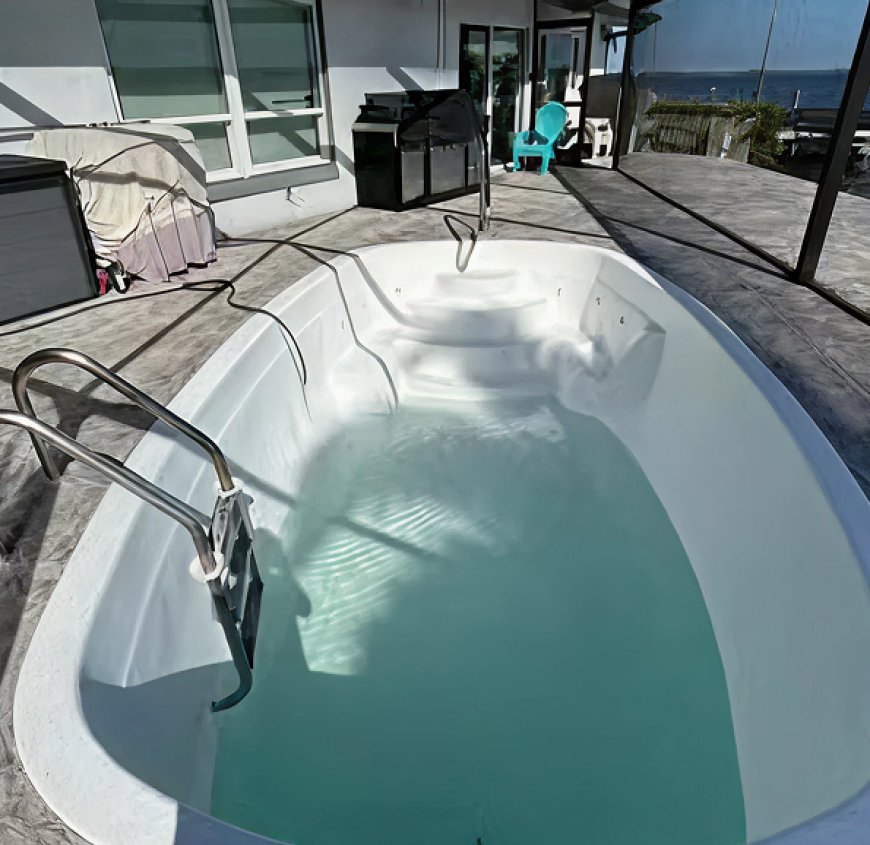
A fiberglass pool can be a beautiful and practical addition to a home. Its smooth surface, quick installation, and comfortable finish make it a popular choice for many homeowners. However, like every outdoor feature, a fiberglass pool is continuously exposed to sunlight, chemicals, water, temperature changes, and regular use. These conditions can slowly affect the protective surface of the pool.
At first, the changes may appear small. The color may look less vibrant, the surface may feel slightly rough, or a stain may become difficult to remove. Homeowners sometimes ignore these early warning signs because the pool is still holding water and operating normally. Unfortunately, surface damage can continue developing underneath the visible coating.
Professional fiberglass pool resurfacing helps restore the damaged protective layer, improve the pool's appearance, and prevent minor surface problems from becoming expensive structural repairs. Understanding when resurfacing is needed can help homeowners protect their pool and plan the project before serious damage occurs.
What Is Fiberglass Pool Resurfacing?
A fiberglass pool is manufactured with several layers. The fiberglass shell provides strength, while the outer gelcoat or protective coating creates the smooth, attractive, and water-resistant finish that swimmers touch.
Over time, the outer coating can begin to wear down. Constant ultraviolet exposure, improper water chemistry, age, harsh cleaning products, and normal use can all affect its condition. Resurfacing involves preparing the existing surface, repairing damaged fiberglass, and applying a new protective coating.
The purpose is not only to make the pool look new again. A quality resurfacing project also restores protection against moisture, chemicals, sunlight, and regular wear.
Depending on the condition of the pool, the work may include sanding, grinding, crack reinforcement, fiberglass repair, coating application, curing, and final finishing. The exact process should be selected after inspecting the entire pool shell.
Common Signs Your Fiberglass Pool Needs Resurfacing
Pool surface damage does not always happen suddenly. In most cases, homeowners notice several smaller changes before the condition becomes serious.
Faded or Dull Color
A fiberglass pool that once looked bright may become faded after years of sunlight and chemical exposure. Basic cleaning may remove dirt, but it cannot restore a coating that has permanently lost its color.
Fading is often one of the earliest signs that the protective finish is aging. Although it may initially appear to be only a cosmetic issue, it can indicate that the coating is becoming weaker.
Chalky Residue
If a white or powdery substance appears on the pool walls or comes off on your hand, the gelcoat may be breaking down. This condition is commonly described as chalking.
Chalking can make the pool look cloudy, uneven, or poorly maintained. More importantly, it suggests that the protective surface is deteriorating and may no longer provide the same level of protection.
Rough or Irritating Surface
Fiberglass pools are known for their smooth finish. When the surface starts feeling rough, itchy, sharp, or uncomfortable, it should be inspected.
A rough texture may be caused by a worn coating, exposed fiberglass, mineral buildup, or surface damage. Swimmers may experience irritated skin, and cleaning can become more difficult because dirt and algae can collect in the uneven areas.
Blisters or Bubbles
Small raised bubbles may form when moisture becomes trapped under the surface coating. Some blisters remain small, while others grow, crack, or open over time.
Painting over blisters without correcting the cause is rarely a lasting solution. The damaged area usually needs to be opened, dried, prepared, and repaired before a new coating is applied.
Peeling or Flaking
Peeling is a clear sign that the current coating is losing its bond with the fiberglass shell. Loose areas should not be ignored because water can continue entering behind the coating.
Proper preparation is especially important when repairing peeling surfaces. Applying a new product over loose material can lead to another coating failure.
Visible Cracks
Hairline or spider cracks may only affect the outer coating, but larger cracks can indicate deeper damage. Every visible crack should be evaluated before resurfacing begins.
Cracks often need to be cleaned, opened, reinforced, and repaired with suitable fiberglass materials. Covering a structural crack without reinforcing it may hide the problem temporarily, but it will not provide a dependable repair.
Permanent Stains
Some pool stains are caused by dirt, metals, algae, leaves, or unbalanced water chemistry. These stains may respond to cleaning or chemical treatment. Other stains become embedded in the worn surface and remain visible even after professional cleaning.
When staining is combined with fading, roughness, or chalking, resurfacing may be more effective than repeatedly treating the same area.
What Happens During the Resurfacing Process?
A professional resurfacing project requires more than draining the pool and applying paint. Each stage contributes to the strength, appearance, and lifespan of the finished surface.
1. Pool Inspection
The contractor should first inspect the shell, coating, cracks, blisters, stains, plumbing areas, fittings, and waterline. The inspection helps determine whether the pool needs simple refinishing or additional structural reinforcement.
The surrounding ground and groundwater conditions should also be considered before the pool is drained.
2. Safe Pool Drainage
Fiberglass pools must be drained carefully. Groundwater pressure can create problems if the pool is emptied without proper precautions. An experienced contractor evaluates the conditions and follows suitable drainage procedures to reduce the risk of shell movement.
3. Surface Preparation
The old surface is cleaned, sanded, or ground to remove loose, damaged, and contaminated material. This creates a stable surface that allows the new coating to bond properly.
Poor preparation is one of the most common reasons a new finish peels, bubbles, or fails early. The surface must be dry, clean, and properly prepared before coating application.
4. Crack and Fiberglass Repair
Damaged areas are repaired before the new finish is installed. Cracks may require fiberglass reinforcement, resin, bonding materials, and careful sanding.
Repairing the underlying problem is more important than simply hiding it. A strong repair provides a stable foundation for the new surface.
5. New Coating Application
After preparation and repairs are complete, a professional-grade gelcoat or epoxy system designed for fiberglass pools is applied. The best option depends on the pool's condition, previous coating, environment, and project requirements.
The product should be applied evenly and under suitable weather conditions. Temperature, humidity, surface moisture, and application technique can all influence the final result.
6. Curing and Final Inspection
The new surface needs enough time to cure before the pool is refilled. Rushing this stage can affect adhesion, hardness, and durability.
After curing, the contractor should inspect the finish, check repaired areas, and provide instructions for refilling and balancing the water.
Most resurfacing projects may take approximately three to five days, although the timeline can change based on pool size, surface condition, repairs, weather, and curing requirements.
Benefits of Resurfacing a Fiberglass Pool
Resurfacing can provide several practical benefits beyond improving the pool's appearance.
A renewed surface feels smoother and more comfortable for swimmers. It can also make routine brushing and cleaning easier because dirt and algae have fewer rough areas in which to collect.
Resurfacing also creates an opportunity to repair cracks, blisters, peeling areas, and other weaknesses before they spread. Early treatment may reduce the need for more extensive fiberglass reinforcement in the future.
A fresh, uniform finish can also improve the overall appearance of the backyard. Since the pool is often the main visual feature of an outdoor space, restoring its color and surface can make the entire area feel cleaner and better maintained.
How Long Can a Resurfaced Fiberglass Pool Last?
The lifespan of a resurfaced pool depends on surface preparation, repair quality, coating selection, installation conditions, water chemistry, and ongoing maintenance.
According to Sims Pool Upgrades, a professionally resurfaced fiberglass pool may last around 10 to 15 years when it is maintained properly. However, every pool is different, so the actual lifespan can be shorter or longer.
Consistent maintenance is one of the most important factors. Even a high-quality surface can deteriorate early when the water remains unbalanced for long periods.
How to Protect the New Pool Surface
After resurfacing, homeowners should follow the contractor's startup and maintenance instructions carefully.
Test the pool water regularly and keep pH, alkalinity, sanitizer, and calcium levels within the recommended ranges. Strong chemical imbalances can stain, fade, weaken, or damage the new coating.
Avoid placing concentrated chlorine or other strong chemicals directly against the surface. Chemicals should be added according to the pool care instructions and allowed to circulate properly.
Use brushes, vacuums, and cleaning tools approved for fiberglass surfaces. Aggressive tools may scratch the finish or create dull areas.
It is also helpful to inspect the pool regularly. Small changes such as a new rough spot, stain, blister, or crack should be investigated early instead of waiting for the damage to spread.
How Much Does Fiberglass Pool Resurfacing Cost?
There is no single price that applies to every pool. The cost is influenced by several factors, including:
-
Pool size and shape
-
Current coating condition
-
Number and depth of cracks
-
Blister and delamination repairs
-
Amount of surface preparation
-
Fiberglass reinforcement requirements
-
Coating system selected
-
Access to the pool area
-
Local labor and material costs
A pool with minor fading and surface wear will usually require less work than one with peeling, deep cracks, large blisters, or structural damage.
A detailed inspection is the best way to receive accurate pricing. Homeowners should ask for a written estimate that clearly explains preparation, repairs, coating materials, project timing, warranty terms, and payment requirements.
Why Professional Experience Matters
Fiberglass and concrete pools require different repair materials and application methods. A contractor who mainly works on concrete surfaces may not have the equipment or experience needed to repair a fiberglass shell correctly.
Fiberglass resurfacing requires suitable bonding preparation, compatible materials, controlled curing, and careful structural repair. Incorrect products or installation methods can lead to blistering, cracking, peeling, and premature coating failure.
When comparing contractors, ask about licensing, insurance, fiberglass experience, completed projects, coating systems, warranties, and repair procedures. A reliable contractor should be willing to explain the process and answer questions clearly.
Sims Pool Upgrades is a licensed and insured, family-owned contractor serving St. Petersburg, Pinellas County, Sarasota, and surrounding Gulf Coast communities. The company provides fiberglass repair and resurfacing services, including surface preparation, structural crack reinforcement, gelcoat or epoxy application, and water chemistry guidance.
Final Thoughts
A faded, rough, chalky, peeling, or cracked pool surface should not be treated as a cosmetic issue alone. These warning signs may indicate that the protective coating is deteriorating and the fiberglass shell needs professional attention.
Scheduling an inspection early can help homeowners understand the condition of the pool and avoid deeper damage. With correct preparation, suitable materials, professional repairs, and balanced water chemistry, resurfacing can restore the pool's comfort, appearance, and protection for many years.
Rather than waiting until cracks or peeling become severe, homeowners should have unusual surface changes evaluated by an experienced fiberglass pool contractor. Timely care can protect the pool, reduce future repair costs, and make the outdoor space enjoyable again.