When to See a Doctor for Hypertension in Dubai
When to See a Doctor for Hypertension in Dubai explains the warning signs of high blood pressure, risk factors to watch for, and when medical evaluation is essential to prevent serious complications like heart disease or stroke.
 Dr. Barbara
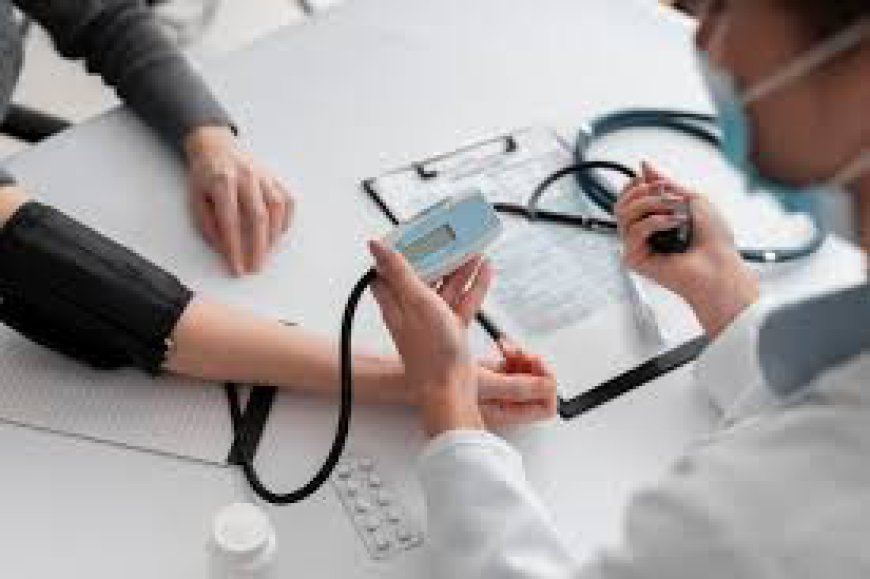
Hypertension, commonly known as high blood pressure, is a prevalent condition in Dubai and worldwide. Often called the “silent killer,” hypertension can develop without noticeable symptoms but significantly increases the risk of heart disease, stroke, and kidney problems. Recognizing when to consult a healthcare provider is critical for early diagnosis, effective management, and prevention of complications.
This blog provides a detailed guide on hypertension Dubai, signs that warrant medical attention, treatment options, lifestyle management, frequently asked questions, and a comprehensive conclusion.
Understanding Hypertension
Hypertension occurs when the force of blood against the artery walls consistently exceeds normal levels. It is typically measured in millimeters of mercury (mmHg) with two readings:
- Systolic pressure (upper number) – pressure when the heart beats
- Diastolic pressure (lower number) – pressure when the heart rests between beats
Blood Pressure Categories
- Normal: Below 120/80 mmHg
- Elevated: 120–129/<80 mmHg
- Stage 1 Hypertension: 130–139/80–89 mmHg
- Stage 2 Hypertension: 140+/90+ mmHg
- Hypertensive Crisis: 180+/120+ mmHg
Why Hypertension in Dubai Requires Attention
Lifestyle factors, dietary habits, stress, and urban living contribute to the rising prevalence of hypertension in Dubai. Left untreated, high blood pressure can lead to serious health problems, including:
- Heart attacks and heart failure
- Stroke
- Kidney disease
- Vision problems
Early intervention through regular monitoring and timely consultation with a healthcare provider reduces these risks significantly.
Signs You Should See a Doctor for Hypertension Dubai
Hypertension often presents no obvious symptoms. However, certain warning signs and situations require medical attention.
Persistent High Blood Pressure Readings
- Consistently elevated blood pressure above 130/80 mmHg
- Stage 2 readings (140+/90+) require prompt evaluation
Symptoms of Severe Hypertension
- Severe headache
- Dizziness or confusion
- Chest pain or shortness of breath
- Vision changes or blurred vision
- Nosebleeds
Risk Factors Warranting Early Consultation
- Family history of hypertension or heart disease
- Obesity or overweight
- Sedentary lifestyle
- High salt or processed food consumption
- Diabetes or kidney disease
During Routine Checkups
Even without symptoms, regular health checkups in Dubai can detect elevated blood pressure early.
Diagnosis of Hypertension in Dubai
Blood Pressure Measurement
- Multiple readings over several visits to confirm diagnosis
- Home blood pressure monitoring for accuracy
Laboratory Tests
- Blood tests to assess kidney and liver function
- Cholesterol and blood sugar levels to identify cardiovascular risk
Additional Assessments
- Electrocardiogram (ECG) to check heart function
- Echocardiogram if heart complications are suspected
Treatment Options for Hypertension Dubai
Lifestyle Management
- Balanced Diet: Reduce salt, processed foods, and sugar; increase fruits, vegetables, and whole grains
- Regular Exercise: 30 minutes of moderate activity daily
- Weight Management: Achieve and maintain a healthy body weight
- Stress Reduction: Yoga, meditation, and sufficient sleep
- Limit Alcohol and Quit Smoking: Both contribute to high blood pressure
Medications
- Prescribed based on individual needs, such as:
- ACE inhibitors
- Beta-blockers
- Diuretics
- Calcium channel blockers
Regular Monitoring
- Frequent blood pressure checks ensure medications and lifestyle changes are effective
- Follow-up consultations with your doctor help adjust treatment as needed
Preventing Hypertension Complications
Early Detection
- Regular screening helps identify high blood pressure before complications arise
Consistent Lifestyle Habits
- Healthy diet, exercise, and weight control maintain normal blood pressure
Adherence to Medical Advice
- Compliance with prescribed medications and follow-up appointments is crucial
FAQs About Hypertension Dubai
Can hypertension occur without symptoms?
Yes, many people have high blood pressure without noticeable symptoms, making regular monitoring essential.
How often should blood pressure be checked?
Adults should check their blood pressure at least once a year or more frequently if risk factors exist.
Can lifestyle changes alone control hypertension?
In some cases, diet, exercise, and stress management may control mild hypertension, but many patients also require medication.
Is hypertension reversible?
Lifestyle changes can significantly reduce blood pressure and cardiovascular risk, but chronic hypertension usually requires ongoing management.
When is hypertension considered an emergency?
A hypertensive crisis with readings of 180/120 mmHg or higher, accompanied by severe symptoms, requires immediate medical attention.
Conclusion
Hypertension Dubai is a serious condition that can silently damage the heart, kidneys, and other organs if left untreated. Recognizing high-risk situations, monitoring blood pressure regularly, and consulting a healthcare provider at the right time are essential for early diagnosis and effective management.
Through lifestyle adjustments, medication adherence, and regular follow-ups, hypertension can be managed successfully, reducing the risk of severe complications and promoting long-term cardiovascular health. Early action ensures a healthier, more confident life in Dubai.