15 Profitable Car Rental App Business Ideas to Start in 2026
Discover profitable car rental app business ideas for 2026, including key features, revenue models, development steps, and cost insights to build a successful mobility platform.
 stevejonas
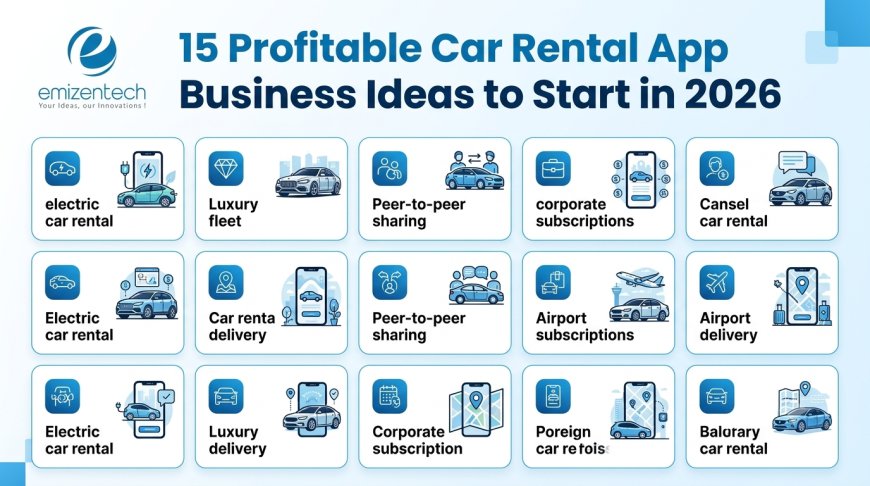
The growing demand for flexible transportation, digital booking experiences, and shared mobility solutions has created new opportunities for entrepreneurs in the rental industry. Modern customers prefer convenient platforms that allow them to discover, reserve, and manage vehicles instantly through smartphones.
With advancements in AI, automation, GPS tracking, and digital payments, launching a car rental app business can help companies serve evolving mobility needs while creating multiple revenue opportunities. From self-drive rentals to luxury vehicle marketplaces, different business models are gaining popularity among users and investors.
This guide explores profitable car rental app ideas, essential features, monetization strategies, development steps, and estimated costs to help businesses build a successful mobility platform in 2026.
Why Invest in a Car Rental App Business in 2026?
The transportation industry is shifting toward on-demand and technology-driven mobility solutions. Consumers increasingly prefer flexible alternatives to traditional vehicle ownership, making digital rental platforms a promising business opportunity. Investing in car rental app development helps businesses create convenient mobility solutions that match changing customer expectations.
Growing Demand for On-Demand Mobility Solutions
Customers are looking for quick and convenient transportation options without the responsibilities of ownership, maintenance, and insurance. Rental platforms provide flexible access to vehicles based on short-term and long-term travel requirements.
Increasing Smartphone-Based Booking Behavior
Mobile applications have transformed how users access transportation services. Customers now expect instant vehicle searches, online reservations, digital payments, and real-time updates, creating strong demand for efficient rental platforms.
Rise of Shared Mobility and Sustainable Transportation
Shared mobility services are becoming popular due to cost savings and environmental concerns. Electric vehicle rentals and shared car platforms allow businesses to support sustainable transportation while targeting eco-conscious customers.
Multiple Revenue Opportunities
Car rental platforms can generate income through rental commissions, subscription plans, premium listings, advertisements, partnerships, and additional services. This flexibility allows entrepreneurs to create scalable business models.
Integration of Advanced Technologies
Technologies such as artificial intelligence, IoT, automation, and predictive analytics help improve fleet management, personalize user experiences, and optimize vehicle availability, making rental businesses more efficient.
15 Profitable Car Rental App Business Ideas to Explore in 2026
The rental market offers diverse opportunities beyond traditional vehicle booking. Entrepreneurs can choose business models based on customer needs, location, target audience, and available resources.
1. Self-Drive Car Rental App
A self-drive rental platform allows customers to rent vehicles without hiring drivers. Users can select cars, choose rental durations, complete payments, and access vehicles independently through digital booking features.
2. Peer-to-Peer Car Rental Marketplace
This model connects private car owners with people looking for temporary vehicle access. Owners can earn additional income by listing unused vehicles while renters get affordable transportation options.
3. Luxury Car Rental App
A luxury rental platform targets customers seeking premium vehicles for weddings, corporate events, vacations, and special occasions. Businesses can offer high-end brands with personalized services and premium pricing.
4. Electric Vehicle Rental App
With increasing adoption of electric mobility, EV rental platforms allow users to access environmentally friendly vehicles. Businesses can focus on sustainable transportation by offering electric cars with charging support.
5. Corporate Car Rental Solution
Corporate-focused rental apps help companies manage employee transportation, business travel, and client meetings. Features like scheduled bookings, expense tracking, and centralized management improve enterprise mobility.
6. Airport Car Rental App
Airport rental solutions provide travelers with convenient transportation after landing. Users can reserve vehicles before arrival, select pickup locations, and avoid traditional rental queues.
7. Car Subscription Platform
Subscription-based rental apps allow users to access vehicles through monthly plans instead of ownership. This model attracts customers who want flexibility without long-term financial commitments.
8. Chauffeur-Based Rental App
A chauffeur service platform connects customers with professional drivers and premium vehicles. It is suitable for business executives, tourists, and customers seeking comfortable travel experiences.
9. Tourist Car Rental App
Tourism-focused rental applications provide travelers with easy access to local transportation. Integration with travel guides, route planning, and sightseeing packages can increase customer engagement.
10. One-Way Car Rental App
One-way rental platforms allow users to pick up vehicles from one location and drop them at another. This service benefits travelers who need flexible transportation between cities.
11. Car Sharing App
Car-sharing applications enable multiple users to access vehicles for short durations. This model reduces transportation costs and supports urban mobility needs in crowded cities.
12. Commercial Vehicle Rental App
Businesses can create platforms for renting vans, trucks, and commercial vehicles. These apps serve logistics companies, small businesses, and individuals requiring temporary transport solutions.
13. Peer-to-Business Rental Marketplace
This marketplace connects vehicle owners with businesses needing additional fleet capacity. It helps companies manage demand fluctuations without purchasing additional vehicles.
14. Vintage Car Rental App
Vintage car rental platforms target customers interested in classic vehicles for events, photography, and celebrations. Unique vehicle collections can create premium earning opportunities.
15. Road Trip Rental App
Road trip-focused apps provide vehicles designed for long-distance travel. Businesses can include travel recommendations, camping accessories, route suggestions, and trip packages to improve user experience.
Essential Features for a Successful Car Rental App
A successful rental platform requires features that simplify booking, improve security, and provide seamless experiences for customers and vehicle providers.
User Registration and Profile Management
A secure registration system allows users to create accounts, upload documents, manage personal details, and access booking history. Profile management improves personalization and simplifies future reservations.
Advanced Vehicle Search and Filters
Search functionality helps users find suitable vehicles based on location, price, model, availability, fuel type, and rental duration. Effective filtering improves customer satisfaction and reduces booking time.
Real-Time Vehicle Tracking
GPS integration enables users and businesses to track vehicle locations, monitor trips, and improve fleet management. Real-time tracking also enhances safety and operational visibility.
Online Booking and Scheduling
Digital booking features allow customers to select vehicles, choose dates, confirm availability, and manage reservations conveniently through the application.
Secure Payment Integration
Multiple payment options, including cards, digital wallets, and online banking, create smoother transactions. Secure payment systems also build customer trust.
Ratings and Reviews
Customer feedback helps users make better rental decisions while allowing businesses to maintain service quality and improve customer relationships.
How Do Car Rental Apps Make Money?
A well-designed rental platform can generate revenue through multiple channels beyond basic vehicle rentals.
Commission-Based Revenue Model
Many marketplaces charge vehicle owners or partners a percentage of each successful booking. This model allows businesses to earn consistently as transaction volume increases.
Subscription Plans
Apps can offer premium memberships that provide benefits such as discounts, priority booking, reduced fees, and exclusive vehicle access.
Advertising Partnerships
Rental platforms can collaborate with travel companies, insurance providers, and automotive brands to display targeted advertisements and generate additional income.
Premium Services
Businesses can provide additional services such as insurance packages, doorstep delivery, vehicle upgrades, and chauffeur services for an extra charge.
Corporate Partnerships
Partnering with companies for employee transportation solutions can create recurring revenue through long-term contracts.
Steps to Build a Successful Car Rental App
Building a successful rental platform requires strategic planning, market research, and technical execution.
Research Market Requirements
Analyze customer expectations, competitors, pricing models, and regional transportation needs before starting development. Understanding market gaps helps create a valuable solution.
Select the Right Business Model
Choose between marketplace, fleet ownership, subscription, or specialized rental models based on investment capacity and target customers.
Define Essential Features
Identify core functionalities such as booking, payments, tracking, fleet management, and communication tools to create a user-friendly application.
Design User-Friendly Interfaces
An intuitive design improves navigation and encourages customers to complete bookings quickly. Focus on simple workflows and mobile-friendly experiences.
Develop and Test the Application
The car rental app development process involves creating, integrating, and testing different components to ensure performance, security, and reliability.
Launch and Improve Continuously
After launch, monitor user feedback, analyze performance data, and introduce improvements based on customer behavior and changing market trends.
How Much Does It Cost to Develop a Car Rental App in 2026?
The cost of creating a rental platform depends on several factors, including app complexity, features, technology stack, design requirements, development team location, and maintenance needs.
Basic Rental App Development
A simple application with features like registration, vehicle listings, booking, and payments may require a smaller investment. It is suitable for startups testing their business concept.
Medium-Level Rental Platform
A feature-rich application with GPS tracking, reviews, notifications, advanced search, and multiple payment options requires more development effort and resources.
Advanced Rental Marketplace
A large-scale platform with AI recommendations, IoT integration, fleet automation, analytics dashboards, and enterprise capabilities involves higher development costs due to technical complexity.
Factors Affecting Development Cost
The final budget depends on platform selection, customization level, security requirements, third-party integrations, maintenance, and ongoing updates after launch.
Conclusion
The car rental industry is evolving rapidly with digital platforms, shared mobility solutions, and changing customer expectations. Entrepreneurs can explore different rental models, from EV and luxury rentals to peer-to-peer marketplaces, to build scalable mobility businesses.
A successful platform requires the right combination of business strategy, user-focused features, technology integration, and continuous improvement. Businesses seeking professional guidance and technical expertise can collaborate with EmizenTech to develop efficient, scalable digital mobility solutions.
FAQs
1. How does a car rental app make money?
Car rental apps generate revenue through commissions, subscription plans, premium services, advertising partnerships, insurance add-ons, and corporate contracts.
2. How much does it cost to build a car rental app?
The cost depends on features, complexity, platform requirements, integrations, and development approach. Basic apps require less investment, while advanced platforms need more resources.
3. What features are required for a car rental app?
Important features include user registration, vehicle listings, search filters, booking management, payment integration, GPS tracking, notifications, and reviews.
4. How long does it take to develop a car rental app?
Development time depends on project complexity and features. A basic application may take a few months, while advanced platforms require longer timelines for design, testing, and optimization.