6 Baking Frustrations Solved with the Padauk French Pin in Genola
Learn how the Padauk French Pin in Genola improves dough handling by reducing sticking, uneven pressure, and wrist strain.
 nkmwoodworks
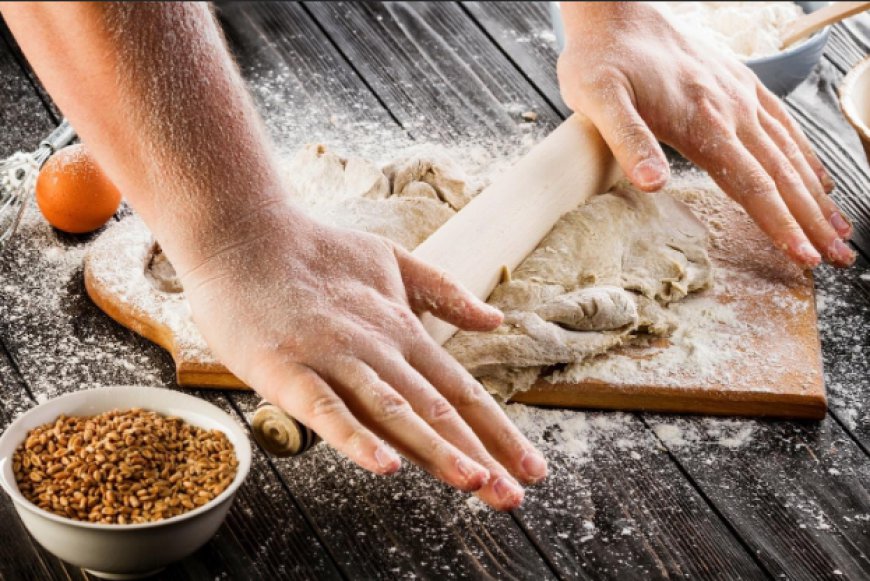
Anyone who bakes at home knows it well: The recipe looks simple, the dough feels right, but things start going wrong the second rolling begins.
Dough sticks
Edges thin out
Wrists get tired
And the final bake never looks the same twice
These issues rarely come from skill alone. Often, the rolling pin itself is the problem. This is where a thoughtfully made French pin matters.
The Padauk French pin in Genola is designed around control, balance, and material quality, which directly addresses common baking frustrations.
Key Takeaways
-
Rolling pin shape affects pressure control and dough thickness.
-
Wood density plays a role in moisture interaction with dough.
-
French pins allow better hand placement and movement.
-
Consistent tools lead to more predictable baking results.
-
Proper care extends the life of hardwood kitchen tools.
Solve 6 Everyday Baking Challenges with the Padauk French Pin in Genola
-
Dough Sticking and Tearing During Rolling
Sticky dough is common with higher hydration recipes and is often made worse by plastic or coated pins that create suction. A dense hardwood surface behaves differently.
Padauk wood has a tight grain that limits moisture buildup on the surface, reducing sticking without extra flour.
This matters when using tools like the Padauk French Pin in Genola because:
-
Rolling feels smoother with less drag
-
Dough layers stay cleaner and intact
-
Gluten structure remains more stable
-
Uneven Thickness That Causes Inconsistent Baking
Uneven dough thickness leads to unpredictable baking, often caused by handled rolling pins that apply pressure from fixed points. A French pin tapers toward the ends, allowing hands to adjust pressure naturally and keep the dough even from center to edge.
This helps by:
-
Allowing uniform heat exposure
-
Reducing the risk of burnt edges
-
Supporting more accurate bake times
-
Loss of Dough Shape While Rolling
Dough shape matters when working with crusts and laminated dough. Rolling pins with spinning parts often cause over-rolling in one direction, resulting in unevenly stretched dough.
With direct hand contact, the Padauk French Pin in Genola helps guide movement instead of forcing it.
This helps because:
-
Less trimming is needed
-
Dough edges stay clean
-
Final baked items look more consistent
-
Hand and Wrist Fatigue During Longer Sessions
Long rolling sessions can be uncomfortable when tools are heavy or poorly balanced. Uneven weight increases strain and reduces control. The Padauk French Pin in Genola distributes weight evenly along its length, which helps limit tension during repeated motion.
Its benefits include:
-
Smoother rolling motion
-
Less wrist pressure
-
Improved endurance while baking
-
Over-Flour Use That Alters Dough Texture
Extra flour may reduce short-term sticking, but it often changes hydration and affects texture. Many bakers add more flour to make up for tools that do not roll smoothly. A smooth hardwood Padauk French Pin in Genola helps limit this need and keeps the dough closer to its intended balance.
This matters because:
-
Moisture levels stay consistent
-
Crumb and flake improve
-
Finished bakes feel less dry
-
Rolling Pins That Absorb Moisture or Wear Quickly
Some rolling pins absorb moisture over time, leading to swelling or surface damage. Softer woods and coated finishes are more likely to wear out in kitchens. Padauk is a dense hardwood that resists moisture and keeps its shape with proper care.
Its long-term advantages include:
-
Lower risk of warping
-
A stable rolling surface
-
Longer usable life
Conclusion
Good baking often comes down to how comfortable the process feels. When rolling is smooth and controlled, everything else falls into place more easily. The Padauk French Pin in Genola fits into regular kitchen routines without needing extra effort or adjustments.
It helps reduce small frustrations that slow things down, letting bakers focus on getting consistent results they can trust.
FAQs
-
What makes a French rolling pin different from a traditional rolling pin?
A French rolling pin has no handles and is usually tapered. This design allows direct hand contact with the dough and provides better control over pressure and direction than handled pins.
-
Is the Padauk French Pin in Genola suitable for beginner bakers?
Yes. Beginners often benefit from the added control a French pin provides. It helps develop a better feel for dough handling without relying on force.
-
Is Padauk wood safe for food contact?
Padauk is commonly used for kitchen tools when properly finished. When sealed with food-safe oils and properly maintained, it provides a stable, safe surface for food preparation.
-
Can this type of pin be used for cookies and bread dough?
Yes. French pins work well for cookie dough, pie crusts, and certain bread doughs. The key is adjusting pressure based on dough type, which the tapered shape allows easily.
-
How long does a hardwood rolling pin usually last?
With proper care, a hardwood rolling pin can last many years. Regular cleaning, drying, and occasional oiling help prevent surface damage and moisture-related issues.