What Makes a Premium Hoodie Fabric: Weight, Stitching, and Fit Explained
Learn what makes a premium hoodie fabric stand out, including fabric weight, stitching quality, and fit design.
 kingstonapparel
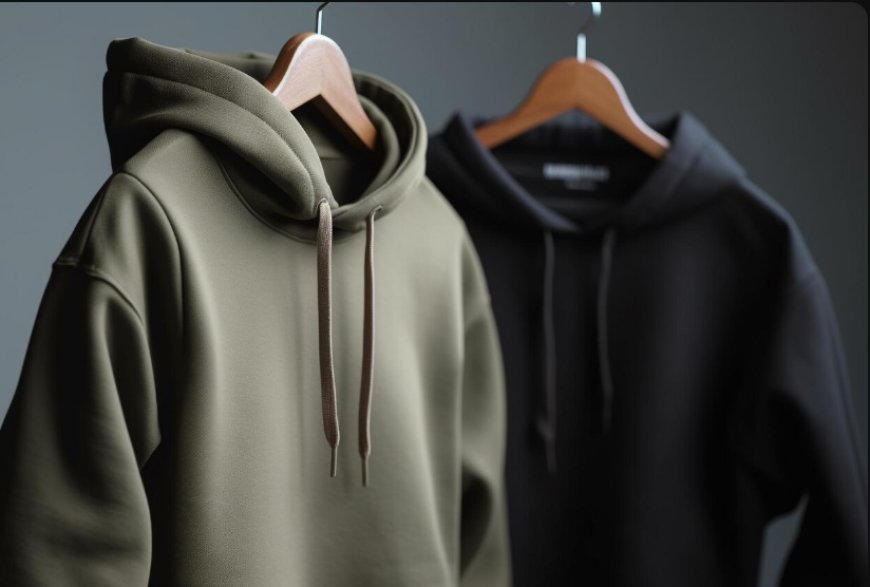
A hoodie is one of the most-worn pieces in any wardrobe, especially when it comes to everyday essentials like men's hoodies. People wear it at home, at the gym, while traveling, and even layered under jackets. But not all hoodies feel the same. Some feel thick, structured, and long-lasting. Others lose shape after a few washes.
So what makes a premium hoodie fabric?
It usually comes down to three core factors: fabric weight, stitching quality, and fit. Let’s break each one down in simple terms, so you know exactly what to look for before buying.
Key Takeaways
-
Premium hoodies typically use 350 GSM or heavier fabric for better structure and warmth.
-
High-quality cotton, like combed or ring-spun cotton, improves softness and reduces pilling.
-
Double-needle stitching strengthens seams and prevents early wear and tearing.
-
Reinforced stress points at shoulders, pockets, and hood increase durability.
-
Thick ribbed cuffs and waistbands help maintain shape over time.
-
A well-designed fit balances comfort, structure, and long-term shape retention.
Fabric Weight: The Foundation of Quality
Weight is one of the first signs of a premium hoodie fabric. Brands often describe this using GSM, which stands for grams per square meter. GSM tells you how dense and heavy the fabric is.
Here is a simple breakdown:
-
250 to 300 GSM is lightweight.
-
300 to 350 GSM is midweight.
-
350 to 450 GSM is heavyweight.
Premium hoodies are usually 350 GSM or higher. Heavier fabric feels thicker and more structured. It also tends to last longer because the fibers are packed more tightly together.
However, weight alone does not mean quality. The type of cotton matters too. Premium hoodies often use combed cotton or ring-spun cotton. These cotton types have smoother and longer fibers, which makes the hoodie softer and less likely to pill.
Some premium hoodies use cotton-polyester blends. Polyester improves durability and helps reduce shrinkage after washing. A well-balanced blend keeps the hoodie soft while increasing lifespan.
The inside construction also affects comfort. Brushed fleece interiors feel soft and warm because they trap air. French terry interiors feel lighter and more breathable. Both can be premium, depending on how they are made.
When you hold a premium hoodie, it should feel solid but not stiff. The fabric should feel smooth, dense, and even throughout.
Stitching Quality: The Hidden Strength
Stitching is often overlooked, but it plays a major role in durability. A hoodie may look good on the outside, but poor stitching will show after repeated wear.
Premium hoodie fabric is usually double-needle stitched. This means there are two parallel lines of stitching along seams. Double stitching strengthens the hoodie and reduces the risk of tearing.
Check the shoulder seams, hood attachment, and pocket corners. These are high-stress areas. A premium hoodie reinforces these points to prevent damage over time.
Turn the hoodie inside out if possible. The seams should look clean and neat. There should be no loose threads or uneven stitching. Consistent stitching shows careful construction.
Ribbing at the cuffs and waistband is another important detail. Premium hoodies use thicker ribbed fabric with good elastic recovery. That means the cuffs snap back into shape instead of stretching out.
Drawstrings and eyelets also signal quality. Thick drawcords, reinforced metal eyelets, and clean stitching around the hood opening all improve durability and appearance.
Strong stitching ensures that the hoodie keeps its structure even after many washes.
Fit: Structure, Comfort, and Long-Term Wear
Fit is more than just choosing small, medium, or large. A premium hoodie fabric is carefully shaped for balance and comfort.
First, look at the shoulders. The shoulder seam should sit naturally at the edge of your shoulder. If it hangs too low or pulls too tight, the cut may not be well designed.
Next, check the sleeves. Premium hoodies often taper slightly toward the wrist. This gives a cleaner shape while keeping comfort. The cuffs should feel snug but not restrictive.
Body length is also important. A good hoodie should not ride up when you move. At the same time, it should not feel overly long and shapeless. Premium brands design proportions carefully to create a structured look without stiffness.
Another key factor is fabric recovery. A premium hoodie should maintain its shape after washing. Lower quality hoodies may twist, shrink, or stretch out because the fabric was not properly pre-treated.
Many premium hoodies are pre-washed or garment-washed. This process reduces shrinkage and softens the fabric. As a result, the hoodie feels comfortable from the first wear and continues to fit well over time.
A well-designed fit makes the hoodie feel polished enough to wear outside the house while still feeling relaxed and comfortable. This balance is especially important in modern streetwear apparel, where structure and silhouette matter just as much as comfort.
Final Thoughts
A premium hoodie fabric is not just about brand name or price. It is about how the fabric feels, how the seams are constructed, and how the garment fits your body.
Heavier, high-quality fabric creates structure and warmth. Strong stitching ensures long-term durability. A balanced fit keeps the hoodie comfortable and flattering.
When these three elements work together, the hoodie feels better from day one and continues to perform after many wears.
FAQs
-
Is a heavier fabric always better in a hoodie?
Not always. While 350 GSM or higher offers better structure and warmth, comfort and fabric quality matter just as much.
-
Are premium hoodies good for streetwear apparel?
Yes. Premium hoodies are popular in streetwear apparel because of their structured fit and durable fabric.
-
Is 100% cotton better than blends?
100% cotton feels natural and breathable, similar to a 100% cotton unisex classic tee, but blends often improve durability and reduce shrinkage.