8 Features of High-Quality Remote Radiology Reporting Services
High-quality remote radiology reporting services combine board-certified expertise, fast turnaround times, advanced technology integration, and strict quality assurance protocols. They offer 24/7 coverage, subspecialty reads, secure data handling, and seamless communication with healthcare providers. These essential features ensure accurate diagnoses, improved workflow efficiency, and reliable support for hospitals and imaging centers.
 chevyflora
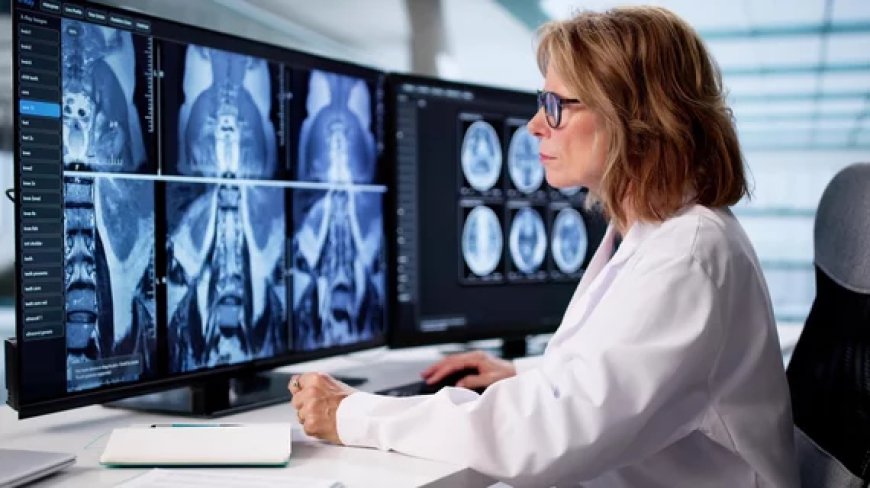
Healthcare delivery has evolved rapidly, and imaging interpretation is no exception. Hospitals, emergency departments, and imaging centers increasingly depend on remote solutions to maintain speed, accuracy, and continuity of care. However, not all remote teleradiology services are created equal. Choosing a provider with the right features can significantly impact diagnostic accuracy, turnaround time, and patient outcomes.
Below are eight essential features that define high-quality remote radiology reporting services.
1. Board-Certified and Experienced Radiologists
The foundation of any strong radiology service is its clinical expertise. High-quality providers work with board-certified radiologists who possess extensive experience across multiple subspecialties such as neuroradiology, musculoskeletal imaging, and body imaging.
Experienced radiologists reduce diagnostic errors, provide clinically meaningful insights, and communicate effectively with referring physicians. Their expertise ensures reliable interpretations even in complex cases.
2. 24/7 Coverage and Rapid Turnaround Time
Healthcare emergencies do not follow business hours. A dependable provider offers round-the-clock availability, including nights, weekends, and holidays.
Fast turnaround time (TAT) is critical for emergency rooms, trauma cases, and stroke evaluations. High-quality remote teleradiology services prioritize urgent studies and maintain structured workflows that ensure reports are delivered promptly without compromising accuracy.
3. Subspecialty Reporting Capabilities
Complex imaging cases often require subspecialty interpretation. A premium service includes radiologists with focused training in areas such as:
Neuroradiology
Cardiothoracic Imaging
Pediatric Radiology
Musculoskeletal Radiology
Subspecialty reads enhance diagnostic precision and provide added confidence to referring clinicians, especially for complicated or rare conditions.
4. Advanced Technology and Seamless Integration
A reliable remote radiology provider integrates smoothly with hospital PACS and RIS systems. Seamless workflow integration reduces administrative burden and prevents delays.
High-quality services also leverage advanced tools such as:
-
Secure cloud-based image transfer
-
AI-assisted workflow prioritization
-
Voice recognition reporting systems
-
Structured reporting templates
These technologies improve consistency, reduce errors, and support efficient collaboration.
5. Strong Quality Assurance Protocols
Quality assurance (QA) is a defining feature of superior reporting services. A robust QA program includes peer reviews, double-reading protocols for select cases, and continuous performance audits.
Regular quality checks help maintain high reporting standards and identify areas for improvement. This commitment to quality directly translates to better patient care and institutional trust.
6. Compliance and Data Security
Patient data security is non-negotiable. High-quality providers adhere to strict regulatory standards and implement strong cybersecurity measures.
Key compliance features include:
-
Encrypted data transmission
-
Secure servers
-
Strict access controls
-
Regular security audits
Healthcare facilities must ensure that their radiology partner prioritizes confidentiality and meets all necessary legal and industry regulations.
7. Clear Communication and Clinical Collaboration
Accurate reporting is only part of the equation. Effective communication between radiologists and referring physicians is equally important.
Top-tier services provide:
Direct physician-to-physician communication
Immediate critical findings notification
Accessible consultation support
This collaborative approach enhances clinical decision-making and strengthens the overall care process.
8. Scalability and Flexible Coverage Options
Healthcare facilities experience fluctuating imaging volumes. A high-quality remote radiology service can scale according to demand, whether for temporary overflow, night coverage, or full-time support.
Flexibility ensures uninterrupted service during staffing shortages, peak seasons, or expansion phases. Reliable providers offer customizable coverage plans that align with institutional needs.
Why Choosing the Right Partner Matters
Selecting the right Teleradiology providers goes beyond cost considerations. It impacts diagnostic accuracy, workflow efficiency, and ultimately patient safety. Reliable remote teleradiology services combine expertise, technology, compliance, and collaboration to deliver consistent and dependable results.
For healthcare facilities seeking dependable reporting solutions, platforms like TopRad are designed to support hospitals and imaging centers with experienced radiologists, seamless integration, and a strong focus on quality.
Final Thoughts
As healthcare systems continue to evolve, the demand for high-quality remote reporting will only increase. Providers must offer more than just off-site image interpretation-they must deliver speed, precision, security, and clinical partnership.
When evaluating remote teleradiology services, focus on expertise, turnaround time, technology integration, quality assurance, compliance, communication, and scalability. These eight features collectively define a service capable of meeting modern healthcare demands while ensuring optimal patient outcomes.