A Practical Guide to Truck Hydraulics for Fleet Owners
A Practical Guide to Truck Hydraulics for Fleet Owners
 Oliviawilli
Anyone managing a fleet of commercial vehicles eventually has to get familiar with truck hydraulics, whether they intended to or not. From tippers to cranes to walking floor trailers, hydraulic systems sit behind nearly every piece of specialised equipment fitted to a heavy vehicle, and understanding the basics can save both time and money when something goes wrong.
The Core Components of Truck Hydraulics
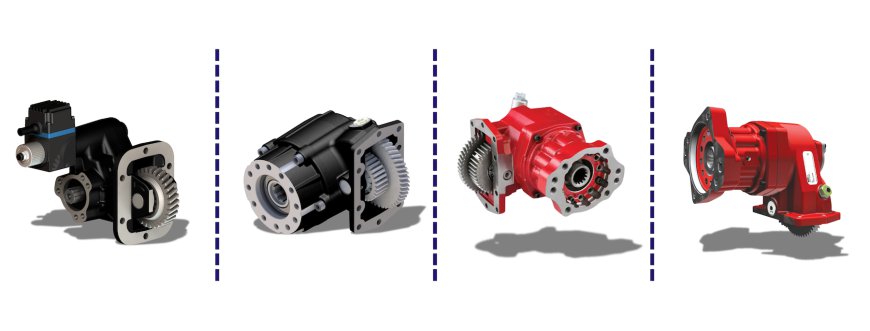
At a basic level, truck hydraulics rely on a handful of core components working together. A power take off draws power from the transmission, a pump converts that power into pressurised fluid, and valves direct the flow of that fluid to cylinders or motors that perform the actual work, whether lifting, tipping or rotating. A tank stores and cools the fluid, while hoses and fittings connect everything together. Each of these parts needs to be correctly matched to the others, since mismatched components tend to create inefficiencies or premature wear.
Why Truck Hydraulics Differ Between Applications
Not every truck uses its hydraulic system in the same way, and this affects how the system should be specified. A tipper truck experiences relatively short bursts of high pressure use, while a truck fitted with a crane might need sustained pressure over longer periods with more precise control. Emergency vehicles, landscaping trucks and car carriers each place their own particular demands on the hydraulic system. Recognising these differences is important when specifying new equipment or replacing worn components, since a system designed for one application will not necessarily perform well in another.
Common Issues Fleet Owners Encounter
Fleet owners often deal with a familiar set of truck hydraulics issues, including slow or weak lifting performance, unusual noise from the pump, fluid leaks around seals and fittings, and occasional PTO engagement problems. Many of these issues develop gradually, which is why regular inspection tends to catch problems while they are still inexpensive to fix. Ignoring early symptoms, on the other hand, often leads to more significant failures that take vehicles off the road for longer periods.
Maintenance That Actually Helps
Preventive maintenance makes a genuine difference to the reliability of truck hydraulics over time. This includes regular fluid checks, filter replacement and periodic inspection of hoses, seals and fittings for signs of wear. Keeping detailed maintenance records also helps identify patterns, such as a particular vehicle experiencing repeat issues, which can point to an underlying specification problem rather than simple wear and tear.
Building a Relationship With a Trusted Supplier
Because truck hydraulics involve so many interconnected components, having a reliable supplier to turn to for parts, advice and repairs makes fleet management considerably easier. Heavy Hydraulics works with operators across a range of industries, offering both the parts and the practical expertise needed to keep trucks running smoothly, from initial specification through to ongoing servicing and repair.
Planning for the Future
As fleets grow or change in composition, it is worth periodically reviewing whether existing hydraulic specifications still suit the work being done. A truck purchased for light duty use that is later assigned to heavier tasks may need upgraded components to cope with the added demand. Reviewing these requirements from time to time helps avoid premature wear caused by equipment operating outside its intended limits.
Final Thoughts
Truck hydraulics might seem complicated at first, but understanding the core components, recognising common warning signs and staying on top of maintenance goes a long way toward keeping a fleet reliable. For any business that depends on its vehicles daily, investing time in understanding how these systems work, and partnering with suppliers who genuinely know the industry, pays off through fewer breakdowns and more predictable operating costs.