How to Choose the Right Buffalo Turf Sydney for Your Lawn
Choosing the right buffalo turf involves looking beyond colour and appearance. The lawn's sunlight, soil condition, drainage, intended use, foot traffic, maintenance routine, and surrounding landscape should all be considered before making a selection. Proper preparation and careful installation are equally important for creating an even and attractive lawn that can be maintained effectively.
 turfsuppliesandrews
Choosing turf for a lawn is an important decision because the right grass variety can influence how the space looks, feels, and performs throughout the year. A suitable lawn should complement the property while fitting the way the outdoor area is used. Factors such as sunlight, soil condition, drainage, foot traffic, maintenance preferences, and the overall appearance you want to achieve should be considered before selecting turf. Buffalo grass is commonly considered for lawns where a soft, attractive surface and practical everyday use are important. Understanding the characteristics of different buffalo varieties can make the selection process easier and help create a lawn that suits the available space.
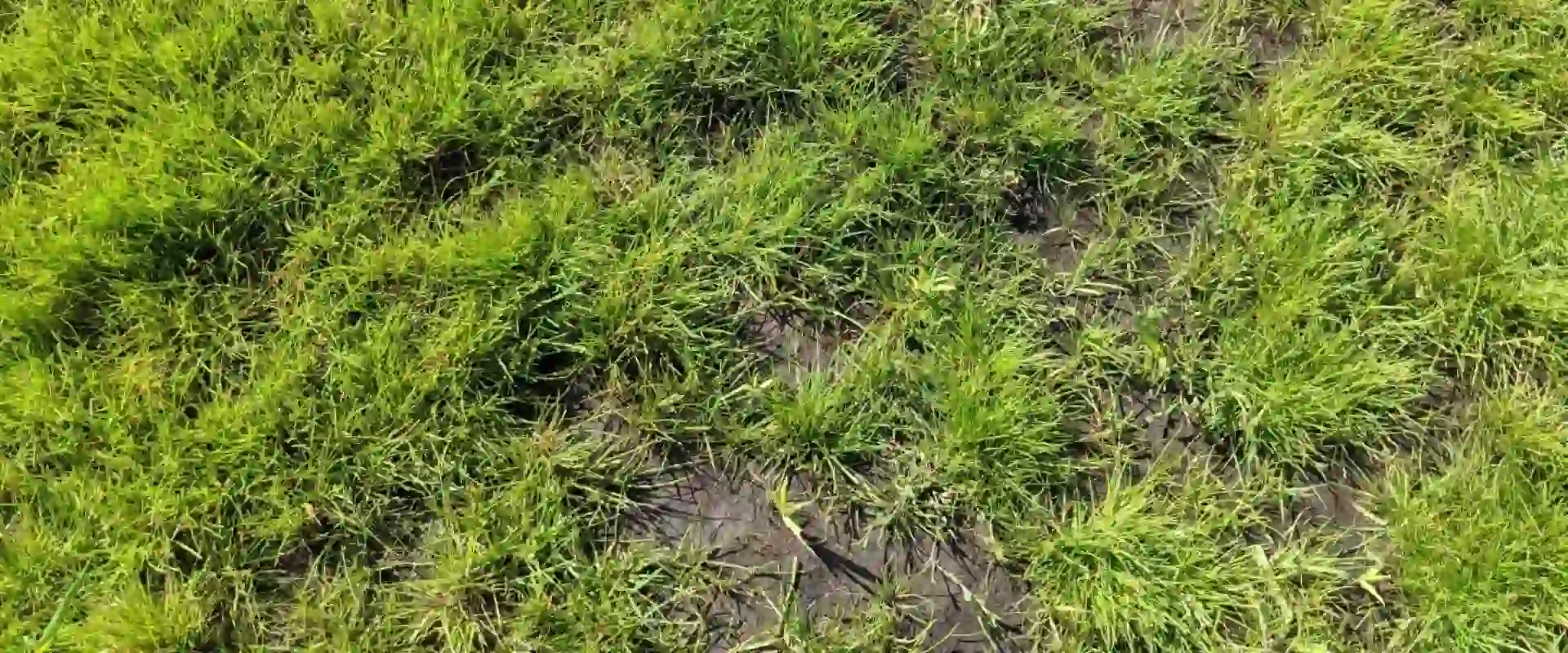
Consider the Amount of Sunlight
Sunlight is one of the first things to assess when choosing turf. Some lawn areas receive direct sunlight for much of the day, while others may be partly shaded by buildings, trees, fences, or outdoor structures. Understanding how much light reaches the lawn can help narrow down suitable turf options and avoid choosing a variety that may struggle in its intended environment.
When selecting buffalo turf sydney, it is helpful to consider the changing light conditions across the lawn rather than looking at one area alone. A garden may contain both sunny and shaded sections, so choosing a turf variety that matches the overall conditions can support more consistent growth and appearance.
Think About How the Lawn Will Be Used
The purpose of the lawn should also influence turf selection. A family garden, entertaining area, pet space, or decorative lawn may each have different requirements. Areas that receive regular walking and general activity may need a turf variety that can handle everyday use while maintaining a neat appearance.
Consider how people will move across the lawn and whether furniture, play equipment, or other outdoor features will be placed on it. A clear understanding of how the space will be used can help you select turf that suits your lifestyle rather than choosing based only on appearance.
Understand Turf Appearance
Buffalo turf is available in varieties that can create different visual effects. Leaf texture, colour, density, and overall growth pattern can influence how the finished lawn looks. Some homeowners prefer a softer and fuller appearance, while others may favour a more structured look that complements modern landscaping.
It is useful to consider the existing garden design before making a selection. Think about surrounding plants, garden beds, paving, fencing, and outdoor furniture. A turf variety that complements these features can help create a more balanced outdoor space and make the lawn feel like a natural part of the overall landscape.
Check the Soil Conditions
Soil condition can have a significant effect on turf establishment and ongoing lawn performance. Before laying new turf, inspect the existing soil to determine whether it provides a suitable growing environment. Compacted, poorly drained, or low-quality soil may need attention before installation.
Preparing the soil properly can help provide a better foundation for the turf. Removing unwanted material, improving soil structure, addressing drainage concerns, and creating an even surface can make the installation process more effective. Turf selection should therefore be considered alongside preparation rather than as a completely separate decision.
Consider Drainage
Good drainage is important for maintaining a healthy lawn. Water that remains on the surface for extended periods can create problems for turf, while excessively dry conditions can make it difficult for grass to establish properly. Before choosing turf, consider how water moves through the lawn area after rainfall or watering.
If certain sections of the garden regularly become wet, investigate the cause before installation. Addressing drainage issues can help create more suitable conditions for the turf. A properly prepared lawn area can also make watering and general maintenance easier once the grass has been established.
Think About Maintenance Requirements
Every lawn requires some level of maintenance, but the amount of time available for mowing, watering, feeding, and general care can vary between households. Before selecting turf, consider how much attention you are realistically able to give the lawn.
A suitable turf choice should fit your regular maintenance routine. Consider mowing preferences, watering needs, fertilising requirements, and seasonal care. Choosing a lawn that matches your available time can make it easier to maintain a healthy and attractive outdoor area without creating an unnecessary maintenance burden.
Consider Foot Traffic
Foot traffic is another useful consideration when selecting turf. Lawns used regularly for outdoor activities, entertaining, pets, or general movement may experience more wear than decorative areas that are rarely walked on. Understanding the expected level of use can help guide the selection process.
It is also worth thinking about where foot traffic occurs most often. Paths between outdoor areas, entrances, entertaining spaces, and garden features may receive more activity. Planning the lawn layout around these areas can help reduce unnecessary wear and make the outdoor space more practical.
Compare Available Buffalo Varieties
Not all buffalo turf varieties have exactly the same characteristics. Differences can include leaf appearance, colour, growth habits, shade tolerance, maintenance preferences, and overall lawn performance. Comparing available varieties before making a decision allows homeowners to identify which option is most suitable for their particular lawn.
Rather than choosing a variety solely because it looks appealing, consider how its characteristics match the conditions of your garden. A turf variety that performs well in one setting may not be equally suitable in another. Looking at the whole environment can lead to a more informed choice.
Prepare the Lawn Area Properly
Good turf selection works best when combined with thorough site preparation. The area should be cleared, levelled, and prepared so that the turf has an even surface to establish on. Uneven ground can affect the finished appearance and make mowing more difficult.
Soil preparation should also be completed before the turf arrives. Addressing compacted areas, improving the soil where required, and creating suitable drainage can support establishment. Taking time to prepare the site can help the new lawn settle more evenly and create a better foundation for future growth.
Plan the Installation Carefully
Timing and preparation should be considered together when planning a turf installation. The lawn area should be ready before the turf is laid so that the process can move smoothly. Turf should also be handled carefully during installation to reduce unnecessary stress on the grass.
Laying turf evenly and ensuring good contact between the turf and prepared soil can support establishment. Seams should be positioned carefully, and the finished surface should be checked for gaps or uneven sections. A well-organised installation can help the lawn develop a more uniform appearance.
Think About Long-Term Lawn Care
Selecting turf is only the beginning of creating a healthy lawn. Once the turf has been installed, regular watering, mowing, feeding, and general observation can help maintain its appearance. The lawn should be monitored as it establishes so that any areas showing signs of stress can be addressed.
Long-term care should also reflect the conditions of the property. Changes in shade, seasonal weather, foot traffic, and garden use can influence the lawn over time. Adjusting maintenance practices when necessary can help keep the turf looking healthy and suitable for the space.
Choose Turf That Suits Your Lawn
The right turf should fit the conditions and purpose of the lawn rather than being selected on appearance alone. Sunlight, soil, drainage, foot traffic, maintenance preferences, and garden design all play a part in making a suitable choice. Considering these factors before purchasing turf can help avoid common selection mistakes and create a lawn that works well with the property.
For homeowners comparing buffalo turf sydney, taking time to understand the available options can make the process more straightforward. Looking at the characteristics of each variety alongside the conditions of the lawn allows you to make a choice based on practical needs and long-term expectations.
Conclusion
Choosing the right buffalo turf involves looking beyond colour and appearance. The lawn's sunlight, soil condition, drainage, intended use, foot traffic, maintenance routine, and surrounding landscape should all be considered before making a selection. Proper preparation and careful installation are equally important for creating an even and attractive lawn that can be maintained effectively.
Andrew's Turf Supplies can assist customers with turf selection and related lawn preparation and installation services. By considering the conditions of the outdoor space and selecting buffalo turf sydney that suits those requirements, homeowners can create a practical lawn that complements their property and supports ongoing lawn care.