A Complete Guide to Pet Microchipping Services: Keeping Your Pet Safe and Traceable
Losing a pet is every pet owner’s fear. Even the most careful owners know that accidents can happen. A gate can be left open, a leash can slip, or a curious pet can wander too far from home. When that happens, having a reliable way to identify your pet can make all the difference.
 hotspringanimal
That is where microchipping comes in. Pet microchipping services give your dog or cat a permanent form of identification that can help bring them home faster if they ever get lost. It is a simple step, but it offers long-term peace of mind.
What Are Pet Microchipping Services?
Pet microchipping services involve placing a small microchip under your pet’s skin, usually between the shoulder blades. The chip is about the size of a grain of rice. It does not track your pet’s location, but it does store a unique identification number.
If your pet is found and taken to a shelter, veterinary clinic, or animal hospital, staff can scan the chip. That number then links to your contact information in a pet recovery database. This helps make it much easier to reunite you with your pet.
Unlike collars and tags, a microchip cannot fall off or become unreadable from wear and tear. That makes it one of the most dependable ways to identify a pet.
Why Microchipping Matters
Even with a collar and ID tag, pets can still become difficult to trace. Tags can break, fade, or fall off. Collars can slip away. A microchip gives your pet a backup form of identification that stays with them for life.
This is especially helpful for pets that spend time outdoors, travel often, or tend to slip out of doors or fences. It also matters for rescue pets, adopted pets, and young animals that are still learning boundaries.
Pet microchipping services can greatly improve the chance that a lost pet is returned home safely. That is why many veterinarians recommend it as part of basic preventive care.
How the Microchipping Process Works
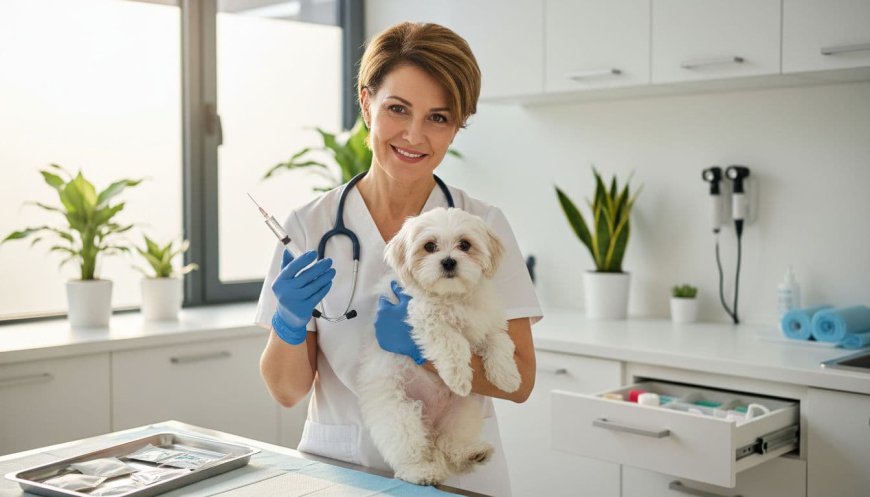
The microchipping process is quick and simple. In most cases, the chip is injected under the skin with a needle, similar to a routine vaccine. It does not require surgery, and it usually takes only a few seconds.
Most pets handle the procedure very well. There may be mild discomfort for a moment, but recovery is immediate. Your pet can usually go home and resume normal activities right away.
After the chip is placed, it must be registered with your contact information. This step is very important. If the chip is not registered, it cannot help reunite you with your pet. Always make sure your information stays current if you move or change phone numbers.
Microchips Are Safe and Reliable
Microchips are designed to be safe for pets. They are made from biocompatible materials and stay in place under the skin. Millions of pets have been microchipped over the years with a strong safety record.
They also last a long time. In most cases, the chip works for the life of your pet. Unlike other forms of identification, it does not need batteries or charging.
That makes pet microchipping services a dependable option for long-term pet safety.
Microchipping Is Not a GPS Tracker
Some pet owners confuse microchips with GPS devices. The two are very different.
A microchip does not show where your pet is in real time. It only helps identify your pet after they are found and scanned. If you want live tracking, you would need a separate GPS collar or tracker.
Still, a microchip remains one of the most useful tools for pet recovery because it provides permanent identification that cannot be removed or lost.
Which Pets Should Be Microchipped?
Almost every pet can benefit from microchipping. Dogs and cats of all ages can be microchipped, and many veterinarians recommend it for both indoor and outdoor pets.
It is especially useful for:
- Puppies and kittens
- Pets that travel
- Rescue animals
- Pets that may escape easily
- Pets that live in busy neighborhoods
Even indoor-only pets can get out unexpectedly. A microchip gives them a better chance of getting back home if they do.
Why Microchipping Should Be Part of Preventive Care
Pet safety is not just about reacting to emergencies. It is also about planning ahead. Microchipping is a small step that can make a big difference later.
When combined with regular checkups, vaccines, and proper identification, it becomes part of a complete health and safety plan. That is why many pet owners choose to include it along with other routine care from their veterinary team.
If you want to learn more about the procedure, you can visit the clinic’s Pet microchipping service in murrieta . It is a practical way to help protect your pet if they ever become lost.
What to Do After Your Pet Is Microchipped
Once your pet has been microchipped, there are a few important steps to take:
- Register the chip right away
- Keep your phone number and address updated
- Tell your vet if your contact details change
- Ask your vet to scan the chip during regular visits
These small actions help make sure the chip will work as intended if your pet is ever found. A microchip is only helpful if the registration information is correct.
Final Thoughts
Pet microchipping services are one of the best ways to help protect your pet from being lost forever. They are quick, safe, and lasting. While no pet owner wants to imagine their animal missing, being prepared can make all the difference.
A microchip gives your pet a permanent identity that can help bring them home faster. It is a simple step, but it offers lasting peace of mind for any pet owner.
To learn more about full pet care and wellness support, visit the Murrieta Animal Hospital