Dallas Public Transport Guide: Getting Around Dallas the Easy Way
Discover how to get around Dallas using DART rail, buses, and streetcars — plus tips on fares, routes, and getting from DFW Airport downtown.
 indianeagle
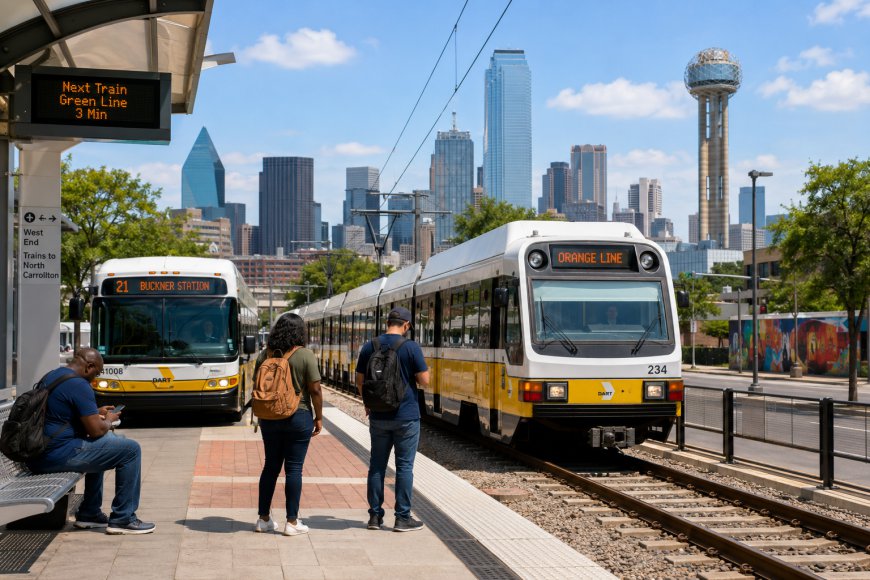
Dallas is a sprawling city, and if you've never visited before, the size alone can feel overwhelming. The good news is that you don't need a rental car to see most of what the city has to offer. Between light rail, buses, streetcars, and rideshare options, there's a system in place for almost every kind of traveler — whether you're commuting downtown, heading to a game, or exploring the Arts District for the first time. This guide breaks down everything you need to know about getting around Dallas, with a close look at the DART rail network that ties it all together.
Understanding Dallas's Public Transportation System
Public transit in Dallas is run primarily by DART — Dallas Area Rapid Transit — which covers light rail, buses, and paratransit services across the metro area. Alongside DART, you'll also find the Trinity Railway Express (a commuter rail line to Fort Worth), the free downtown streetcar (M-Line Trolley), and a growing rideshare and micromobility scene with scooters and bike shares.
For most visitors and residents, DART rail is the backbone of the system, so it's worth understanding in detail before you plan your route.
DART Rail Guide: The Backbone of Dallas Transit
DART operates four light rail lines that connect downtown Dallas to the suburbs, the airport, and major attractions. It's one of the longest light rail networks in the country, which means it can get you further than most first-time visitors expect.
DART Rail Lines
-
Red Line – Connects downtown to North Dallas and Plano
-
Blue Line – Runs from Rowlett through downtown to Ledbetter
-
Green Line – Links Southeast Dallas to Carrollton
-
Orange Line – Runs directly to Dallas Fort Worth International Airport (DFW), making it the easiest rail connection for travelers arriving by air
Fares and Passes
DART rail uses a simple flat-fare system, with discounted day passes and monthly GoPass options available through the GoPass mobile app. Buying a day pass is usually the better deal if you're planning more than two or three rides in a single day, since it removes the need to tap in for every trip.
Tips for Riding DART Rail
-
Download the GoPass app before you arrive — buying tickets on your phone is faster than at station kiosks
-
Trains run less frequently late at night and on weekends, so check schedules in advance
-
The Orange Line to DFW Airport is one of the most reliable ways to skip traffic entirely
Other Ways of Getting Around Dallas
DART rail covers a lot of ground, but it isn't the only option. Depending on where you're headed, one of these might actually be faster.
DART Bus Network
Buses fill in the gaps that rail lines don't reach, especially in neighborhoods further from downtown. Routes connect directly to rail stations, so combining a bus and train ride is common for longer trips.
Dallas Streetcar (M-Line Trolley)
This free, vintage-style streetcar loops through Uptown and the Arts District. It's slow-paced by design, making it a good choice for sightseeing rather than commuting.
Trinity Railway Express (TRE)
If your trip includes Fort Worth, the TRE commuter rail connects the two cities directly, with stops that link back into the DART rail system.
Rideshare, Taxis, and Micromobility
Uber and Lyft are widely available and often the fastest option for short trips or late-night travel when rail frequency drops. Scooters and bike shares are also common in the downtown core for quick point-to-point trips.
Getting to Dallas Before You Get Around It
Of course, getting around Dallas only matters once you've actually arrived. For travelers coming from further away, booking flights from Kolkata to Dallas in advance is worth doing early, since fares tend to rise closer to departure — and landing at DFW puts you right at the start of the Orange Line, making the trip from airport to hotel a lot simpler than it sounds.
Best Practices for Getting Around Dallas as a Visitor
-
Base yourself near a DART rail stop if you're staying in a hotel — it saves on both time and rideshare costs
-
Plan cross-town trips around rail lines first, and use buses or rideshare only for the last stretch
-
Avoid relying on public transit alone late at night in areas with lower service frequency
-
Keep a mapped-out route saved offline, since signal can be patchy underground at some stations
Common Mistakes to Avoid
-
Assuming DART covers every neighborhood — some suburbs are bus-only or require a rideshare connection
-
Skipping the GoPass app and paying more at kiosks out of habit
-
Underestimating travel time between rail lines that require a transfer downtown
-
Ignoring weekend schedule changes, which run less frequently than weekday service
Frequently Asked Questions
Is DART rail the best way to get from DFW Airport into Dallas? Yes. The Orange Line runs directly between DFW Airport and downtown Dallas, avoiding traffic and parking costs entirely.
Do I need a car to get around Dallas? Not necessarily. Combining DART rail with rideshare for the last mile covers most of the city's major attractions and neighborhoods.
How much does a DART day pass cost? DART offers flat-rate day passes through the GoPass app, which usually work out cheaper than paying per ride if you're taking more than two or three trips in a day.
Is Dallas public transport safe for tourists? Generally yes, particularly during daytime and early evening hours. As with any city, it's worth staying alert on late-night routes with lower service frequency.
Final Thoughts
Dallas is far more walkable and transit-friendly than its highway-heavy reputation suggests. With DART rail as your starting point and buses, streetcars, or rideshare filling in the gaps, getting around the city is much simpler than renting a car and navigating unfamiliar freeways. Plan your route around the rail lines first, and the rest of the city opens up easily from there.