Key Uses of Digital Strategy & Transformations in Modern Business
businesses need effective ways to adapt to changing demands and expectations. This is where Digital Strategy & Transformations play an important role.
 amginnovative
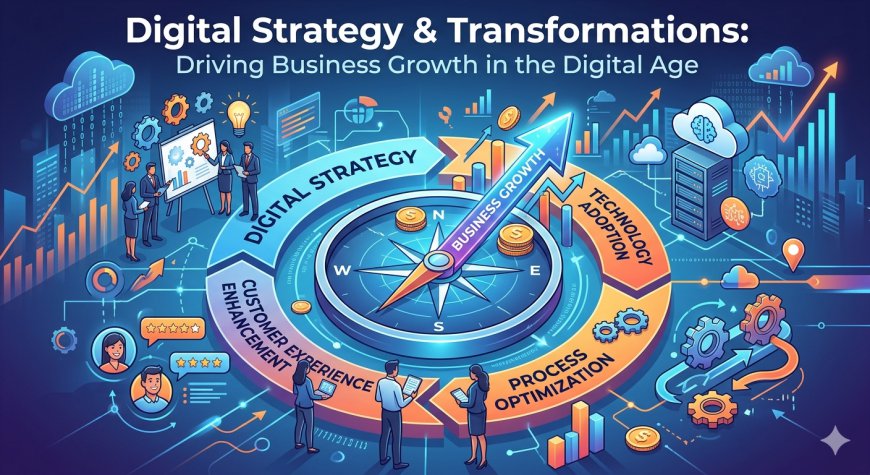
Technology has become a central part of business operations across every industry. Companies now rely on digital tools to connect with customers, improve productivity, and stay competitive. As markets continue to evolve, businesses need effective ways to adapt to changing demands and expectations. This is where Digital Strategy & Transformations play an important role.
Digital Strategy & Transformations help organizations use technology to improve performance and achieve long-term goals. They support better decision-making, enhance customer experiences, and create more efficient business processes. From small businesses to large enterprises, digital transformation is now a key part of sustainable growth and success.
Understanding Digital Strategy & Transformations
Digital Strategy & Transformations involve planning and implementing technology-driven changes that improve business operations. A digital strategy provides a roadmap that helps organizations decide how technology can support their objectives.
Digital transformation takes these plans and applies them across different areas of the business. This may include improving systems, updating workflows, adopting new software, and enhancing customer interactions. The goal is to create a more effective and future-ready organization.
Businesses that successfully implement digital transformation can improve performance while responding more effectively to market changes.
Using Digital Transformation to Improve Customer Experience
One of the most important uses of Digital Strategy & Transformations is improving customer experience. Customers today expect quick responses, simple processes, and personalized services.
Digital tools help businesses understand customer needs and provide better solutions. Companies can use online platforms, mobile applications, and customer relationship systems to improve communication and service delivery.
A positive customer experience helps businesses build trust and loyalty. It also encourages repeat business and strengthens relationships with customers over time.
Supporting Business Growth
Digital transformation is widely used to support business growth. Organizations can use technology to expand their reach, enter new markets, and attract more customers.
Online marketing, social media platforms, and digital sales channels help businesses connect with larger audiences. These tools allow companies to promote products and services more effectively while reducing traditional marketing costs.
As businesses grow, digital systems help manage increased demand and maintain consistent service quality.
Enhancing Operational Efficiency
Another major use of Digital Strategy & Transformations is improving operational efficiency. Many businesses rely on digital tools to simplify processes and reduce manual work.
Automation allows organizations to complete routine tasks faster and with fewer errors. Employees can focus on more valuable activities instead of spending time on repetitive work.
Improved efficiency helps businesses save resources, increase productivity, and deliver services more quickly. These benefits contribute directly to stronger business performance.
Strengthening Data Management
Modern organizations generate large amounts of information every day. Digital transformation helps businesses collect, organize, and analyze this data effectively.
Data management systems provide valuable insights into customer behavior, business performance, and market trends. Leaders can use this information to make informed decisions and improve strategic planning.
The ability to use data effectively is one of the most valuable applications of digital transformation. It helps organizations identify opportunities and address challenges before they become major problems.
Improving UX/UI for Better User Experiences
A major use of digital strategy is improving UX/UI across websites, applications, and digital platforms. User experience focuses on how people interact with digital products, while user interface design focuses on visual presentation and functionality.
Businesses use UX/UI improvements to make platforms easier to navigate and more enjoyable to use. Clear layouts, responsive designs, and intuitive features help users complete tasks efficiently.
Strong UX/UI increases customer satisfaction and encourages visitors to spend more time on digital platforms. This often leads to higher engagement and stronger customer relationships.
Supporting Remote Work and Collaboration
Digital transformation has become essential for supporting remote and hybrid work environments. Businesses use digital communication and collaboration tools to keep teams connected regardless of location.
Cloud-based platforms allow employees to access information, share files, and work together in real time. These tools improve teamwork and help organizations maintain productivity even when employees are working remotely.
The ability to support flexible work arrangements is one of the most practical uses of modern digital solutions.
Improving Marketing Performance
Digital Strategy & Transformations are widely used in marketing. Businesses use digital tools to create targeted campaigns, monitor customer behavior, and measure marketing results.
Online advertising, email marketing, and social media management platforms help companies reach the right audience at the right time. These tools provide detailed insights that allow businesses to improve campaign performance.
Digital marketing strategies help organizations increase brand awareness, attract customers, and generate more revenue.
Using Design & Conversion Optimization to Increase Results
Design & Conversion Optimization is an important use of digital transformation. Businesses want their websites and applications to encourage visitors to take specific actions, such as making purchases or submitting inquiries.
Through Design & Conversion Optimization, organizations improve page layouts, simplify navigation, and create stronger calls to action. These changes help users move through digital platforms more easily.
Effective Design & Conversion Optimization can increase conversion rates and improve overall business performance. It allows companies to gain more value from their digital investments while creating a better experience for users.
Improving Customer Support Services
Customer support is another area where digital transformation is widely used. Businesses now offer support through live chat, email systems, mobile applications, and self-service portals.
Digital tools help customers receive assistance quickly and conveniently. Automated systems can answer common questions, while support teams can focus on more complex issues.
Improved customer support strengthens relationships and increases customer satisfaction. It also helps businesses respond more efficiently to customer needs.
Enhancing Business Agility
Market conditions can change rapidly, and businesses need the ability to respond quickly. Digital transformation helps organizations become more agile by providing flexible systems and processes.
Businesses can adapt strategies, launch new services, and respond to customer demands more effectively. Digital tools provide the speed and flexibility needed to remain competitive in changing environments.
Agility is especially important for organizations operating in industries where customer expectations and technology continue to evolve.
Supporting Innovation
Innovation is another important use of Digital Strategy & Transformations. Businesses use technology to develop new products, improve services, and explore new business models.
Digital tools make it easier to test ideas, gather feedback, and implement improvements. Organizations can experiment with different approaches while using data to measure results.
Innovation helps businesses remain competitive and identify new opportunities for growth. Digital transformation provides the foundation needed to support these efforts.
Improving Financial Management
Many organizations use digital systems to improve financial management. Modern software helps businesses track expenses, manage budgets, and generate financial reports more efficiently.
Automated financial tools reduce manual work and improve accuracy. Leaders can access real-time financial information that supports better decision-making.
Improved financial management helps organizations control costs and allocate resources more effectively.
Preparing for Future Challenges
One of the most valuable uses of digital transformation is preparing businesses for future challenges. Technology continues to change, and organizations must remain ready to adapt.
Digital systems create a foundation that supports future growth and innovation. Businesses that invest in digital transformation today are better prepared for tomorrow's opportunities and challenges.
Future-ready organizations can respond more effectively to market changes and customer expectations.
Conclusion
Digital Strategy & Transformations have many important uses across modern businesses. They help organizations improve customer experiences, increase efficiency, support growth, strengthen decision-making, and encourage innovation. By using digital tools effectively, businesses can adapt to changing market conditions and remain competitive.
The role of UX/UI is essential in creating user-friendly digital experiences, while Design & Conversion Optimization helps organizations achieve better results from their websites and applications. Together, these elements make digital transformation a powerful tool for business success. As technology continues to evolve, the uses of Digital Strategy & Transformations will become even more important for organizations seeking long-term growth and sustainability.
More info: AMG Innovative