Engineering Properties and Applications of 301 and 305 Stainless Steel Sheet in Industrial Markets
Technical overview of 301 and 305 stainless steel sheets highlighting differences in strength, formability, and industrial applications. Focuses on ASTM specifications, mechanical properties, and sourcing insights through pipingmaterial.sa across key Saudi markets. Suitable for engineers evaluating material selection for fabrication and forming processes.
 pipingmaterialsa
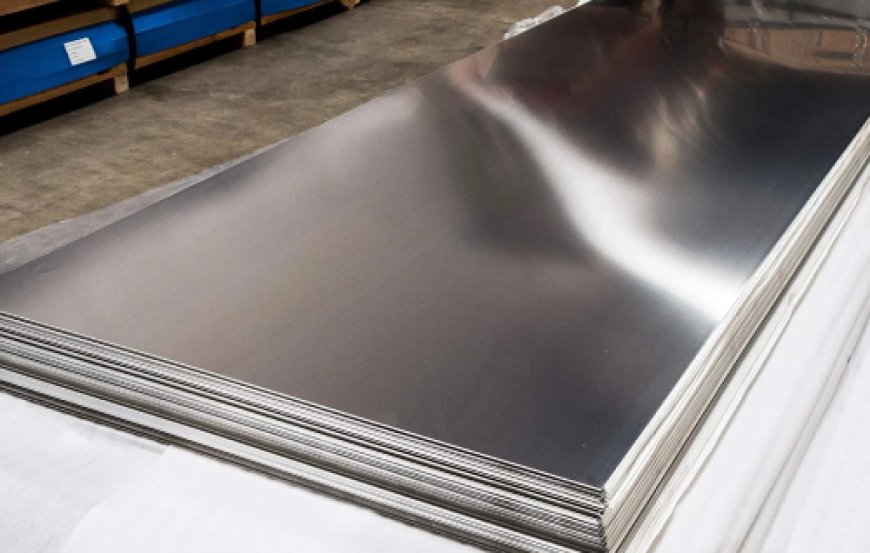
The 301 Stainless Steel Sheet is highly preferred in the manufacture of cold-formed structural and precision components, due to its very high tensile strength and excellent rate of work hardening. This grade of austenitic chromium-nickel steel, made in accordance with ASTM A240 specifications, is normally delivered either annealed or cold rolled, with thicknesses varying between 0.3 mm and 6 mm. After cold working, the metal can reach tensile strengths well above 1000 MPa making it eligible for production of springs, fasteners, and railcar components. Alongside Riyadh and Dammam, the demand areas are transport and industrial fabrication sectors that require durable and moderately corrosion resistant materials.
When conducting supply chain assessments of local markets, it is a typical practice to place stainless steels of high strength side by side with those offering better formability for deep drawing processes. Often the 301 Stainless Steel Sheet is evaluated in connection to low work hardening alloys when applications feature complex shapes and very close forming tolerances. On pipingmaterial.sa, local buyer locations such as Al Khobar and Jeddah can contact reputable suppliers presenting supply of sheet dimensions including 1000x2000 mm and 1250x2500 mm, additionally the issuance of mill test certificates, yield strength characteristics, and conformity with international material specifications.
Industries for deep drawing, manufacture of kitchen appliances, and production of precision stamped components mostly focus on alloys that provide lower strain hardening. Under these circumstances, the 305 Stainless Steel Sheet is the preferred option due to a lower work hardening rate, higher nickel content, and an enhanced ability to elongate, permitting a reliable forming operation even in tough fabrication settings of Saudi Arabia supply chains and engineering uses.