Essential HIPAA Consulting Services for Modern Health IT
 defendmybusiness12
The digital landscape of East New York is defined by dense commercial operations and a rapid shift toward integrated digital systems. As healthcare providers and businesses handling sensitive data expand within Brooklyn, the risk exposure to sophisticated cyber threats has never been higher. For organizations operating under federal mandates, maintaining a resilient security posture is no longer optional. Navigating the complexities of regulatory requirements necessitates specialized hipaa compliance consultant expertise to ensure that both patient privacy and operational integrity remain uncompromised.
The Rising Stakes of Compliance in the Brooklyn Business Environment
East New York has become a focal point for logistics, healthcare delivery, and high-volume retail transactions. This concentration of activity makes local firms prime targets for data breaches and ransomware attacks. For medical facilities and their business associates, the reliance on digital health records and cloud-based payment systems introduces significant vulnerabilities. Without a robust strategy, the threat of regulatory penalties and financial loss looms large.
A professional HIPAA consulting firm provides more than just a checklist. They offer a comprehensive roadmap to risk reduction. By analyzing local trends in payment security and healthcare data management, these experts help businesses avoid the catastrophic fallout of a data leak. Implementing structured frameworks like NIST or the CISA guidelines ensures that small and medium-sized enterprises in the region can compete with the same security confidence as national corporations.
Essential Components of Comprehensive HIPAA Consulting Services
Effective compliance is a multifaceted endeavor that bridges the gap between technical IT support and legal regulatory standards. It involves a deep dive into how data is stored, who has access to it, and how it is protected during transmission.
-
Comprehensive Risk Assessment: Identifying vulnerabilities in network architecture and endpoint security to prevent unauthorized access.
-
Policy Development and Training: Creating clear internal protocols and ensuring workforce readiness through regular security awareness training.
-
Incident Response Planning: Developing protocols that ensure business resilience and operational continuity in the event of a system failure.
-
Technical Safeguards: Deploying data encryption and zero trust architecture to protect electronic protected health information.
Bridging the Gap Between IT Strategy and Regulatory Mandates
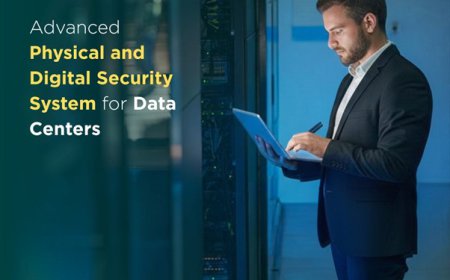
In a high-pressure environment like East New York, IT strategy must be inextricably linked to compliance. Managed cybersecurity services allow businesses to offload the burden of constant monitoring. This includes the integration of physical and digital security. For instance, many clinics now require a modern commercial video surveillance system to secure physical records and server rooms, fulfilling the physical safeguard requirements of the HIPAA Security Rule.
Mitigating Financial Risk and Operational Downtime
The financial impact of a HIPAA violation in 2026 can be devastating, often reaching millions of dollars when accounting for legal fees, fines, and reputational damage. Beyond the fines, the operational downtime caused by a cyber incident can paralyze a healthcare provider. Business continuity planning focuses on creating redundant systems and backup solutions that allow for immediate recovery.
Local firms must prioritize a proactive defense. This includes regular vulnerability management and the deployment of advanced data loss prevention solutions to monitor sensitive information as it moves across the network. By identifying potential leaks before they occur, organizations can significantly lower their risk profile and maintain the trust of their patients and partners.
Adapting to 2026 Regulatory Updates and Cyber Threat Trends
The regulatory environment is constantly shifting to keep pace with new technologies like AI-driven diagnostics and remote patient monitoring. HIPAA compliance services must account for these advancements. Compliance frameworks such as ISO 27001 are increasingly being used alongside HIPAA to provide a more global standard of security. In Brooklyn, where diverse industries intersect, staying ahead of these updates is critical for long-term survival.
Workforce Readiness and the Human Element of Security
Technology alone cannot solve the compliance puzzle. The human element remains the most significant variable in any security equation. Cybersecurity staffing and recruitment play a vital role in ensuring that a business has the internal talent necessary to manage day-to-day security tasks. However, even with the best staff, external consultants provide the objective oversight needed to catch overlooked gaps in the system.
-
Conducting regular audits to verify that access controls are strictly enforced.
-
Updating employee handbooks to reflect the latest privacy laws and data handling procedures.
-
Running simulated phishing attacks to test and improve the security culture of the organization.
-
Utilizing a telecom expense audit checklist to identify unauthorized communication channels or redundant services that may pose a security risk.
Achieving Business Resilience Through Expert Guidance
Resilience is the ability to withstand, adapt to, and recover from adversity. In the context of East New York’s digital economy, this means having a security infrastructure that is both flexible and formidable. HIPAA & privacy consulting services provide the specialized knowledge required to build this infrastructure. From network security solutions to cloud security migrations, every step must be taken with an eye toward both performance and compliance.
By partnering with a seasoned consulting firm, businesses can focus on their core mission—providing high-quality care or services—without being bogged down by the intricacies of federal law. This strategic partnership fosters a culture of security that protects the bottom line and ensures that the organization remains a reliable pillar of the local community.
Selecting the Right HIPAA Compliance Consultants for Your Organization
Choosing a partner is a critical decision that affects every level of your business. The right consultant understands the specific challenges of the East New York market, including the high cyber risk exposure and the need for rapid digital transformation. They should offer a blend of technical proficiency and a deep understanding of compliance frameworks.
When vetting potential consultants, consider their experience with:
-
Managed IT support and helpdesk integration.
-
Advanced threat detection and endpoint security.
-
Compliance and risk assessment services tailored to urban environments.
-
Scaling security solutions as your business grows.
The Long-Term Value of Compliance and Risk Assessment Services
Investment in compliance is an investment in the longevity of your brand. While the initial costs of implementing high-level security might seem daunting, they are a fraction of the cost of a single breach. Regulatory compliance acts as a foundation for trust, allowing you to build stronger relationships with vendors and clients who demand that their data be handled with the utmost care.
FAQs
What is the difference between a HIPAA audit and a risk assessment?
A risk assessment is a proactive process used to identify and prioritize vulnerabilities within your organization. A HIPAA audit is often a formal review, either internal or conducted by a regulatory body, to ensure that all specific standards and implementation specifications of the HIPAA Rules are being met. Both are essential for maintaining a high level of security and avoiding penalties.
How often should my business conduct HIPAA training for employees?
While the law requires training "periodically," best practices in 2026 suggest that formal training should occur at least once a year. Additionally, frequent security "micro-learnings" or monthly updates on new cyber threat trends are highly recommended to keep security top-of-mind for all staff members in high-risk areas like East New York.
Does HIPAA compliance apply to small medical practices in Brooklyn?
Yes, any individual or entity that functions as a "covered entity" or a "business associate" under the law must comply with HIPAA regulations. This includes small private practices, pharmacies, and even third-party service providers like IT firms or billing companies that handle protected health information.
What are the penalties for non-compliance with HIPAA regulations?
Penalties are categorized into tiers based on the level of negligence. They can range from significant fines per violation to criminal charges in cases of willful neglect. Beyond government fines, businesses often face private lawsuits and a loss of patient trust that can be impossible to recover from.
Can managed IT services help with HIPAA compliance?
Absolutely. Managed IT services provide the technical infrastructure necessary to meet HIPAA's Security Rule requirements. This includes implementing data encryption, managing firewalls, ensuring secure backups, and providing 24/7 monitoring to detect and respond to potential breaches immediately.
Conclusion: Securing Your Legacy in East New York
As we move through 2026, the intersection of technology and regulation will only become more complex. For businesses in East New York, the path forward requires a dedicated commitment to cybersecurity and regulatory adherence. By leveraging professional HIPAA compliance consulting services, you can protect your assets, ensure the privacy of those you serve, and build a resilient business capable of navigating any challenge.
Don't leave your regulatory standing to chance. Secure your operations and gain peace of mind by contacting our experts today. Reach out to Defend My Business for a premium consultation and receive a customized quote that addresses your specific compliance and security needs.