How Does Laser Fat Reduction Target Adipose Tissue?
Adipose tissue, commonly referred to as body fat, is a connective tissue that stores energy in the form of lipids.
 dynamic4
Laser fat reduction is a revolutionary non-invasive method that precisely targets adipose tissue, helping individuals achieve a more sculpted body without surgery. Many people in Dubai are exploring Laser Fat Reduction in Dubai as an effective solution for stubborn fat deposits, and clinics like Dynamic Life Clinics are making this technology accessible with professional expertise and advanced equipment. Understanding how laser treatments interact with fat cells can help you make an informed decision about body contouring options.
What is Adipose Tissue?
Adipose tissue, commonly referred to as body fat, is a connective tissue that stores energy in the form of lipids. It also plays a role in cushioning organs, regulating body temperature, and producing hormones. There are two main types of adipose tissue:
-
Subcutaneous fat: Located beneath the skin, often targeted in cosmetic procedures.
-
Visceral fat: Surrounds internal organs and is more closely associated with metabolic health risks.
Laser fat reduction primarily focuses on subcutaneous fat, making it a safe and controlled approach for body contouring.
How Laser Technology Works on Fat Cells
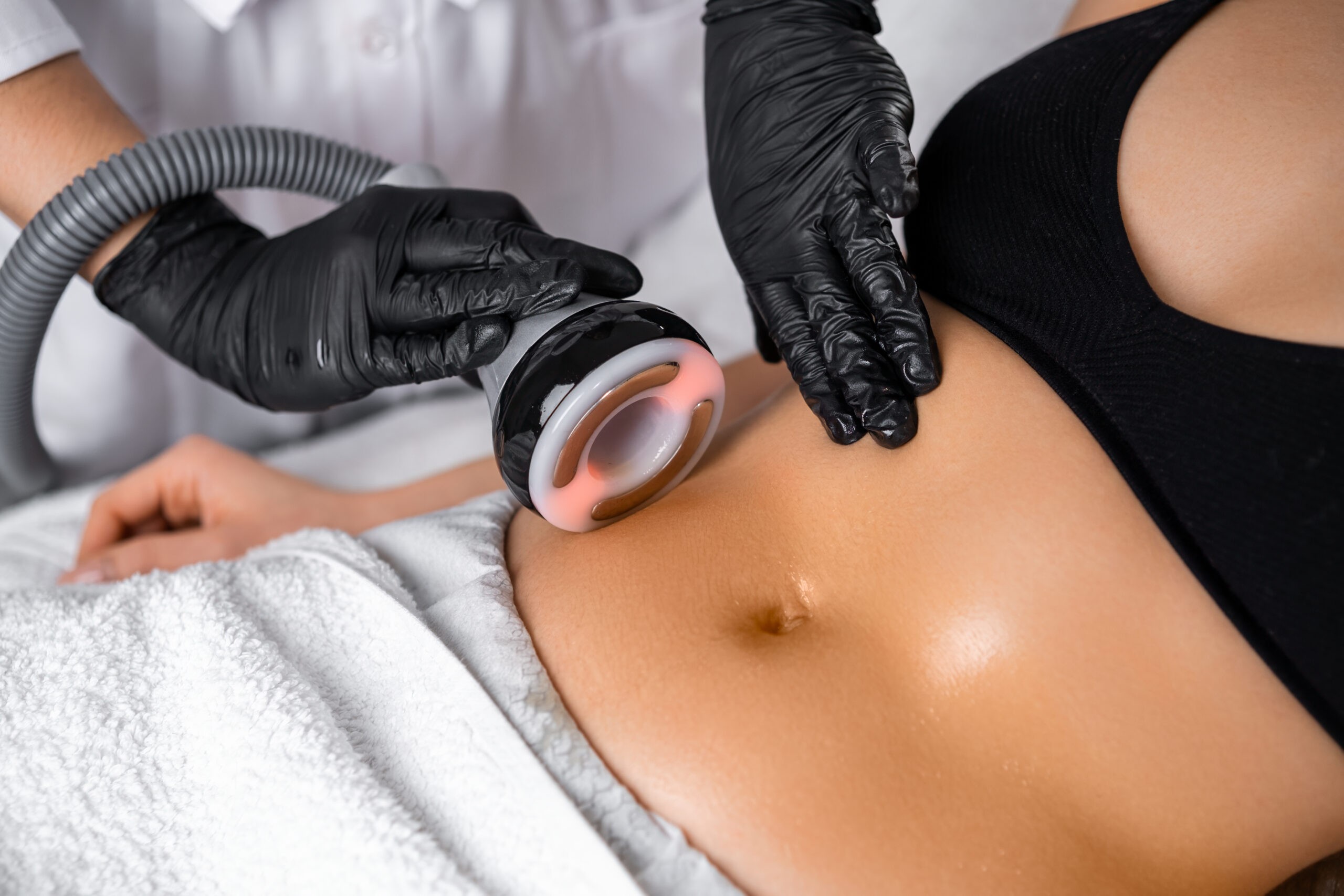
Laser fat reduction uses controlled heat energy to disrupt adipose tissue without harming surrounding muscles, skin, or nerves. The procedure involves the following mechanisms:
-
Selective photothermolysis: The laser emits specific wavelengths absorbed by fat cells, heating them to a point where the cell membrane is weakened.
-
Cellular disruption: Once the membrane is compromised, fat cells release their lipid contents, which are gradually processed by the body’s lymphatic system.
-
Targeted precision: Lasers can be calibrated to reach varying depths, ensuring only adipose tissue is affected while minimizing risks to nearby tissues.
This method allows patients to reduce localized fat deposits in areas like the abdomen, thighs, and arms without invasive surgery.
Benefits of Laser Fat Reduction
Laser fat reduction offers several advantages compared to traditional fat removal techniques:
-
Non-invasive: No incisions or anesthesia required, reducing recovery time.
-
Precision: Targets specific fat pockets for a more sculpted appearance.
-
Stimulates collagen: Some laser systems promote collagen production, improving skin firmness.
-
Minimal downtime: Most patients can resume normal activities immediately after treatment.
-
Gradual results: Fat reduction appears naturally as the body metabolizes the disrupted cells.
Ideal Candidates for Laser Fat Reduction
Not everyone is a suitable candidate for laser fat reduction. It works best for individuals who:
-
Are near their ideal body weight but struggle with stubborn fat.
-
Have good skin elasticity, which allows skin to conform to new contours.
-
Maintain a healthy lifestyle with balanced diet and exercise.
Laser fat reduction is not a solution for significant weight loss or obesity but is highly effective for body sculpting and contouring in targeted areas.
The Procedure: What to Expect
A typical laser fat reduction session is straightforward and comfortable:
-
Preparation: The treatment area is cleaned, and protective measures like eyewear are provided.
-
Laser application: A handheld device delivers precise laser energy to the targeted fat cells.
-
Monitoring: Technicians adjust settings based on patient response and treatment area size.
-
Post-treatment care: Most patients experience mild redness or swelling that resolves quickly.
Sessions usually last between 20 and 60 minutes, depending on the treated area, and multiple sessions may be scheduled for optimal results.
How the Body Eliminates Disrupted Fat
Once laser energy disrupts fat cells, the body naturally processes the released lipids through the lymphatic system. Key steps include:
-
Metabolism: Lipids are broken down and converted into energy or eliminated.
-
Lymphatic drainage: The lymphatic system carries waste products to be excreted.
-
Gradual results: Visible fat reduction typically appears over several weeks as the body metabolizes the treated fat.
This natural elimination process makes laser fat reduction a gentle yet effective approach to targeting stubborn adipose tissue.
Safety and Considerations
Laser fat reduction is generally safe when performed by trained professionals. Safety measures include:
-
Calibrated laser intensity to prevent burns or tissue damage.
-
Continuous monitoring of skin temperature.
-
Use of devices with clinically approved wavelengths for adipose tissue targeting.
Patients should disclose medical conditions and medications before treatment to ensure the procedure is appropriate for them.
Conclusion
Laser fat reduction offers a non-invasive, precise, and effective method for targeting adipose tissue, allowing individuals in Dubai to achieve refined body contours with minimal downtime. With professional clinics like Dynamic Life Clinics providing advanced laser technology, this treatment is becoming a preferred choice for those seeking safe and natural-looking results. Understanding how lasers interact with fat cells and the body’s natural elimination process helps patients make informed decisions and set realistic expectations for their body sculpting journey.