How to Choose the Best Fans for Warehouse Ventilation and Cooling
Proper ventilation and cooling are essential for maintaining a safe, comfortable, and productive warehouse environment.
 jonnymark
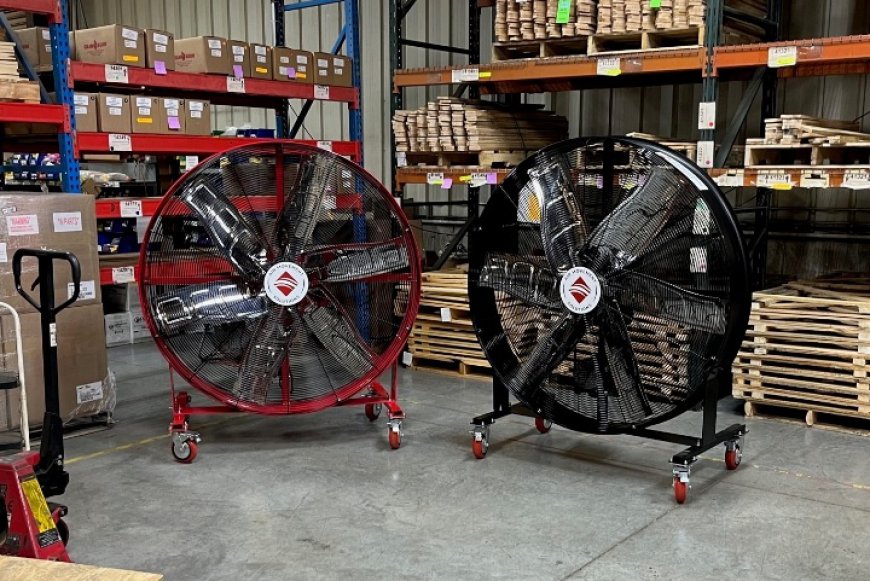
Proper ventilation and cooling are essential for maintaining a safe, comfortable, and productive warehouse environment. Large warehouses often face challenges such as heat buildup, poor air circulation, humidity, and uneven temperatures, all of which can affect employee well-being, equipment performance, and inventory quality. Selecting the right warehouse fan can improve airflow, reduce energy costs, and support efficient operations. This guide explains the key factors to consider when choosing the best fans for warehouse ventilation and cooling.
Assess Your Warehouse Requirements
Before selecting a fan, evaluate your warehouse's specific needs. Important factors include:
- Total floor area
- Ceiling height
- Building layout
- Number of employees
- Heat generated by machinery
- Ventilation requirements
- Humidity levels
- Type of products stored
Understanding these factors helps determine the size, type, and number of fans required for effective airflow.
Select the Right Type of Warehouse Fan
Different fans are designed for different applications. Common warehouse fan options include:
HVLS (High-Volume, Low-Speed) Fans
HVLS fans are ideal for large open spaces. They move large volumes of air at low speeds, creating consistent airflow across the warehouse while consuming less energy. These fans are excellent for improving employee comfort and supporting HVAC efficiency.
Industrial Ceiling Fans
Industrial ceiling fans provide widespread air circulation and are suitable for medium-sized warehouses with adequate ceiling height.
Wall-Mounted Fans
Wall-mounted fans offer targeted airflow in specific work areas without occupying floor space. They are ideal for loading docks, packing stations, and production zones.
Portable Industrial Fans
Portable fans provide flexible cooling wherever additional airflow is needed. They are useful for temporary workstations and maintenance areas.
Exhaust Fans
Exhaust fans remove hot air, humidity, smoke, dust, and airborne contaminants from the warehouse, improving indoor air quality and supporting a healthier work environment.
Consider Airflow Capacity (CFM)
Airflow is measured in Cubic Feet per Minute (CFM), indicating how much air a fan can move.
Larger warehouses require higher CFM ratings to maintain consistent ventilation. Selecting a fan with the appropriate airflow capacity ensures effective cooling without unnecessary energy consumption.
Evaluate Energy Efficiency
Energy-efficient fans reduce operating costs while delivering reliable performance. Look for features such as:
- High-efficiency motors
- Direct-drive technology
- Variable speed controls
- Energy-saving certifications
Although energy-efficient models may cost more initially, they often provide significant long-term savings through reduced electricity usage.
Match the Fan to Ceiling Height
Ceiling height plays a major role in fan selection.
Warehouses with high ceilings typically benefit from HVLS fans, which are designed to circulate air effectively over large areas. Lower ceilings may require smaller industrial ceiling fans or wall-mounted units.
Proper fan placement ensures safe operation and maximum airflow.
Focus on Employee Comfort
Comfortable employees are generally more productive and less likely to experience heat-related fatigue.
The right warehouse fan should:
- Reduce hot spots
- Improve air circulation
- Lower perceived temperatures
- Create consistent airflow
- Minimize humidity
Better working conditions can improve employee morale, safety, and efficiency.
Check Noise Levels
Warehouse fans should provide effective airflow without creating excessive noise.
Modern HVLS fans and premium industrial fans are engineered for quiet operation, making communication easier while maintaining a comfortable working environment.
Look for Durable Construction
Warehouse environments can expose equipment to dust, vibration, moisture, and heavy daily use.
Choose fans constructed with:
- Heavy-duty steel or aluminum components
- Corrosion-resistant finishes
- High-quality bearings
- Durable motors
- Reinforced mounting systems
Durable equipment requires less maintenance and offers a longer service life.
Consider Smart Controls
Many advanced warehouse fans include intelligent control options such as:
- Remote operation
- Digital control panels
- Variable speed settings
- Temperature sensors
- Programmable schedules
- Building Management System (BMS) integration
These features improve convenience while helping optimize energy efficiency.
Prioritize Safety Features
Safety is essential in warehouse environments.
Look for fans equipped with:
- Secure mounting systems
- Safety cables
- Protective guards (where applicable)
- Automatic overload protection
- Balanced blades
- Compliance with industry safety standards
Proper installation and safety features help ensure reliable long-term operation.
Evaluate Maintenance Requirements
Low-maintenance fans reduce downtime and operating costs.
Features such as sealed bearings, direct-drive motors, and easy-access components simplify routine maintenance while extending equipment lifespan.
Compare Total Cost of Ownership
Rather than focusing only on the purchase price, consider long-term costs, including:
- Energy consumption
- Maintenance expenses
- Equipment lifespan
- Warranty coverage
- Repair costs
- Productivity improvements
A higher-quality fan often provides better value through lower operating costs and greater reliability.
Work with a Trusted Supplier
Choosing an experienced warehouse fan supplier ensures access to quality products, expert advice, professional installation, and ongoing technical support.
A reliable supplier can assess your warehouse, recommend the most suitable fan system, and help maximize the return on your investment.
Conclusion
Selecting the best fans for warehouse ventilation and cooling requires careful evaluation of airflow needs, fan type, energy efficiency, durability, safety, and long-term operating costs. Whether you choose HVLS fans, industrial ceiling fans, wall-mounted units, or exhaust fans, the right solution can improve air circulation, enhance employee comfort, reduce HVAC expenses, and create a safer, more productive warehouse environment. Investing in high-quality warehouse fans and professional installation ensures reliable performance and long-term value for your business.