Is Laser Hair Removal Safe for All Skin Types?
 Dynamic Clinic
Laser hair removal has become one of the most popular aesthetic procedures for people who want smoother skin without the constant need for shaving or waxing. In a fast-paced city where appearance and convenience matter, many individuals are exploring this treatment as a long-term solution for unwanted hair. When researching the procedure, many people also come across information from Dynamic Clinic in Dubai, which highlights how modern laser technology has evolved to accommodate different skin tones and hair textures. But the real question many patients ask is whether laser hair removal is safe for everyone, regardless of skin type.
Understanding How Laser Hair Removal Works
The Science Behind the Technology
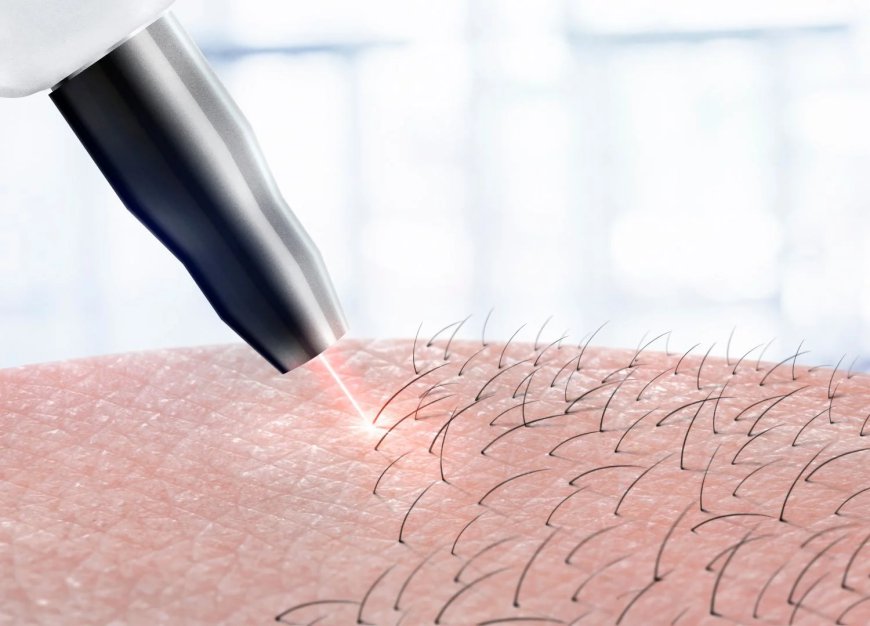
Laser hair removal works by targeting the pigment, known as melanin, present in hair follicles. The laser emits controlled light energy that is absorbed by the pigment in the hair shaft. This energy then converts into heat, damaging the follicle and slowing down future hair growth. Over time and multiple sessions, the treated hair becomes thinner and grows back much more slowly. Because the laser focuses on pigment, the treatment historically worked best on individuals with lighter skin and darker hair. However, modern laser systems have been significantly improved to safely treat a broader range of skin tones. Today’s technology can be adjusted according to skin type, hair thickness, and the treatment area.
Different Skin Types and Laser Technology
The Fitzpatrick Skin Type System
Dermatology professionals often classify skin types using the Fitzpatrick scale, which ranges from Type I (very fair skin) to Type VI (very dark skin). Each category reacts differently to sun exposure and laser energy, which is why selecting the right laser settings is crucial for safety and effectiveness. Advanced laser systems can now be calibrated for all Fitzpatrick skin types. Devices designed for deeper skin tones use longer wavelengths, allowing the laser to bypass the surface pigment and target the hair follicle safely.
Adapting Treatment for Various Skin Tones
Modern laser technology allows practitioners to customize treatment parameters for each patient. This means adjusting energy levels, pulse duration, and cooling mechanisms based on the individual’s skin tone and hair characteristics. This level of personalization significantly reduces the risk of burns, pigmentation changes, or skin irritation. As a result, people with darker skin tones can safely undergo laser hair removal when the procedure is performed with the appropriate equipment and expertise.
Safety Considerations Before Treatment
Importance of a Professional Consultation
A proper consultation is one of the most important steps before undergoing laser hair removal. During this process, the practitioner examines your skin type, hair color, and medical history to determine whether the treatment is suitable for you. The consultation also helps identify any factors that might affect safety, such as recent sun exposure, certain medications, or active skin conditions. By evaluating these elements beforehand, the practitioner can adjust the treatment plan to ensure the safest possible experience.
Skin Preparation and Pre-Treatment Care
Preparing the skin correctly before laser hair removal can significantly influence the outcome. Patients are generally advised to avoid excessive sun exposure before the session because tanned skin contains more melanin, which can increase the risk of skin irritation. Additionally, shaving the treatment area before the appointment allows the laser to focus on the hair follicle rather than surface hair. This step improves both the effectiveness and safety of the procedure.
What to Expect During the Procedure
The Treatment Process
During a laser hair removal session, a handheld device is used to deliver pulses of laser energy to the targeted area. Most modern systems include cooling mechanisms that protect the skin and enhance comfort throughout the procedure.
Patients often describe the sensation as a quick snapping feeling against the skin. While it may cause mild discomfort, it is generally well tolerated and significantly less painful than traditional hair removal methods like waxing.
Duration and Treatment Areas
The length of each session depends on the area being treated. Smaller areas such as the upper lip can be completed quickly, while larger areas like the legs or back require more time. Regardless of the area, multiple sessions are typically required to achieve optimal results because hair grows in cycles.
Possible Side Effects and How They Are Managed
Common Temporary Reactions
Laser hair removal is considered a safe cosmetic treatment when performed properly. Some patients may experience temporary redness, mild swelling, or sensitivity in the treated area. These effects usually fade within a short period and are part of the skin’s natural response to the laser energy.
Cooling gels, soothing creams, and proper aftercare instructions help reduce these temporary reactions and support the skin’s recovery.
Rare Complications
Although uncommon, complications such as pigmentation changes or burns can occur if incorrect laser settings are used. This is why choosing an experienced practitioner and appropriate technology is essential.
By following recommended guidelines and performing a patch test before treatment, most risks can be minimized effectively.
Post-Treatment Care and Skin Recovery
Protecting the Skin After Treatment
After a laser hair removal session, the skin may be slightly sensitive, similar to mild sun exposure. Patients are usually advised to protect the treated area from direct sunlight and use gentle skincare products.
Applying sunscreen and avoiding excessive heat, such as saunas or hot showers immediately after treatment, can help maintain skin comfort and prevent irritation.
Gradual Hair Reduction
Results from laser hair removal are not immediate. Instead, treated hairs gradually fall out over the following weeks. With each session, the hair becomes finer, lighter, and less noticeable.
Because hair grows in cycles, several sessions spaced weeks apart are required to target all follicles during their active growth phase.
Choosing the Right Clinic and Technology
Why Experience Matters
The effectiveness and safety of laser hair removal depend largely on the expertise of the practitioner and the technology used. Experienced professionals understand how to adjust laser settings according to individual skin types and hair characteristics. Many individuals researching treatment options often search for the Best Dynamic Clinic Dubai when looking for reputable information about aesthetic procedures and advanced laser solutions.
Modern Devices for Diverse Skin Types
Innovative laser systems now include diode lasers and other advanced technologies designed to treat a wider variety of skin tones. These devices allow practitioners to deliver precise energy while protecting the surrounding skin. By combining advanced equipment with professional expertise, clinics can offer safe and effective treatments for people with different skin types and hair textures.
Final Thoughts
Laser hair removal has evolved significantly over the years, making it a safe and reliable option for many individuals seeking long-lasting hair reduction. While earlier technologies were limited to certain skin tones, modern lasers are designed to accommodate a much broader spectrum of skin types. With proper consultation, appropriate equipment, and skilled practitioners, laser hair removal can deliver excellent results while maintaining high safety standards. For individuals looking to simplify their grooming routine and enjoy smoother skin, this treatment continues to be a trusted and widely chosen aesthetic solution.