Is Stem Cell Therapy Considered Safe?
In regions known for advanced healthcare systems, including those offering Stem Cells Therapy Dubai (العلاج بالخلايا الجذعية دبي), the emphasis is strongly placed on regulation, patient safety, and scientifically guided procedures.
 Dynamic Clinic
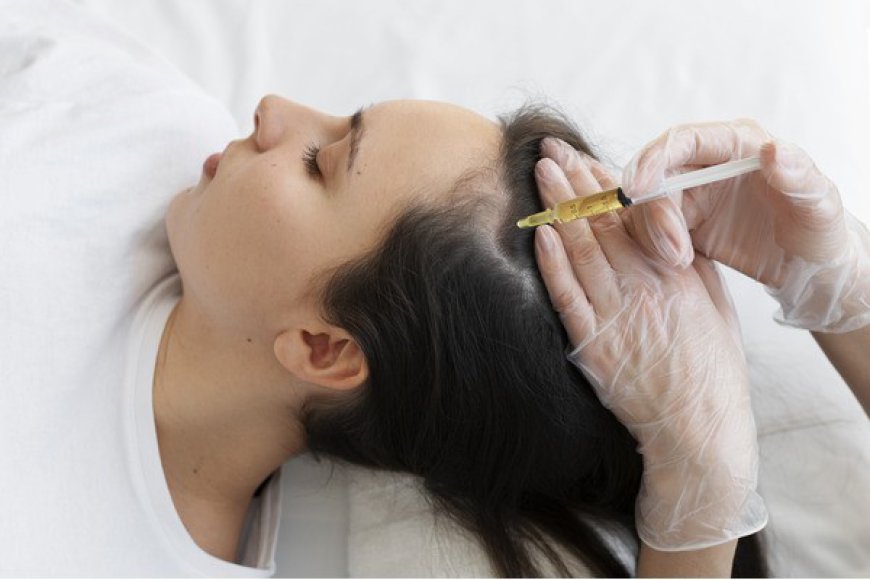
Stem cell therapy has become one of the most discussed advancements in modern regenerative medicine, especially for individuals seeking non-surgical wellness solutions. In many advanced healthcare destinations, Stem Cells Therapy in Dubai (العلاج بالخلايا الجذعية في دبي). is being explored as a supportive approach for healing, rejuvenation, and cellular repair under controlled medical conditions. Its growing popularity comes from the idea that the body can be encouraged to repair itself naturally using its own biological potential.Safety remains one of the most important concerns for patients considering this treatment. While stem cell therapy is not completely new, its modern applications have evolved significantly, making it more standardized and regulated compared to earlier experimental stages.
How Stem Cell Therapy Works in the Body
Natural Regeneration Process
Stem cells are unique because they can transform into different types of cells depending on what the body needs. When introduced into targeted areas, they may help support tissue repair, reduce inflammation, and promote natural healing responses.
Supporting Cellular Communication
Another important function of stem cells is their ability to release growth factors. These signals help surrounding cells repair themselves more effectively, improving overall recovery and regeneration in treated areas.
Factors That Determine Safety in Stem Cell Therapy
Medical Supervision and Clinical Standards
The safety of stem cell therapy largely depends on how and where it is performed. Treatments conducted in controlled medical environments under professional supervision are significantly safer than unregulated procedures.
Source and Quality of Stem Cells
One of the most important safety factors is the origin of stem cells. Ethically sourced and properly processed cells reduce the risk of contamination or unwanted reactions.
Patient Assessment Before Treatment
A complete medical evaluation is essential before starting therapy. This ensures that the patient is suitable for the procedure and does not have underlying conditions that could increase risk.
Possible Side Effects and Risk Awareness
Mild and Temporary Reactions
In most cases, stem cell therapy is well tolerated. Some individuals may experience minor swelling, redness, or slight discomfort at the treatment area. These effects are usually temporary and resolve on their own.
Importance of Proper Technique
When performed incorrectly or in unregulated environments, risks may increase. That is why medical expertise and proper clinical protocols are essential for maintaining safety.
Why Stem Cell Therapy Is Considered Minimally Invasive
No Major Surgical Intervention
Unlike traditional surgeries, stem cell therapy does not require large incisions or long recovery periods. This reduces the risk of complications such as infection or scarring.
Faster Recovery Experience
Because the procedure is minimally invasive, patients often return to their daily activities more quickly compared to surgical alternatives.
Medical Advancements Improving Safety Standards
Improved Laboratory Processing
Modern technologies have significantly improved how stem cells are processed and prepared. This ensures higher purity and better consistency in treatments.
Enhanced Delivery Techniques
New injection and application methods allow doctors to target specific areas more precisely, improving effectiveness while reducing risks.
Who Should Be Careful Before Considering Treatment
Medical Conditions and Screening
Not every individual is an ideal candidate. People with chronic illnesses, immune disorders, or infections may require further evaluation before undergoing treatment.
Importance of Professional Consultation
A proper consultation ensures that expectations are realistic and that the treatment plan is aligned with the patient’s health condition.
Growing Use in Wellness and Regenerative Care
Stem cell therapy is no longer limited to medical recovery alone. It is increasingly being used in wellness and aesthetic fields, where the focus is on improving overall vitality, skin quality, and tissue health. This growing demand highlights the importance of maintaining strict safety standards and evidence-based practices. In regions known for advanced healthcare systems, including those offering Stem Cells Therapy Dubai (العلاج بالخلايا الجذعية دبي), the emphasis is strongly placed on regulation, patient safety, and scientifically guided procedures.
Conclusion
Stem cell therapy is generally considered safe when performed under proper medical supervision, using high-quality biological materials, and following strict clinical guidelines. Its minimally invasive nature, combined with advancements in regenerative medicine, makes it an appealing option for individuals seeking modern therapeutic solutions.
However, safety is not automatic—it depends heavily on professional execution, patient selection, and treatment environment. When these factors are properly managed, stem cell therapy can offer a promising and controlled approach to regeneration and wellness support.