Mustard Oil Prices: Latest Market Trends, Demand Analysis, and Forecast Outlook
The global edible oil industry plays a critical role in food security, trade, and consumer consumption patterns.
 cheminfo
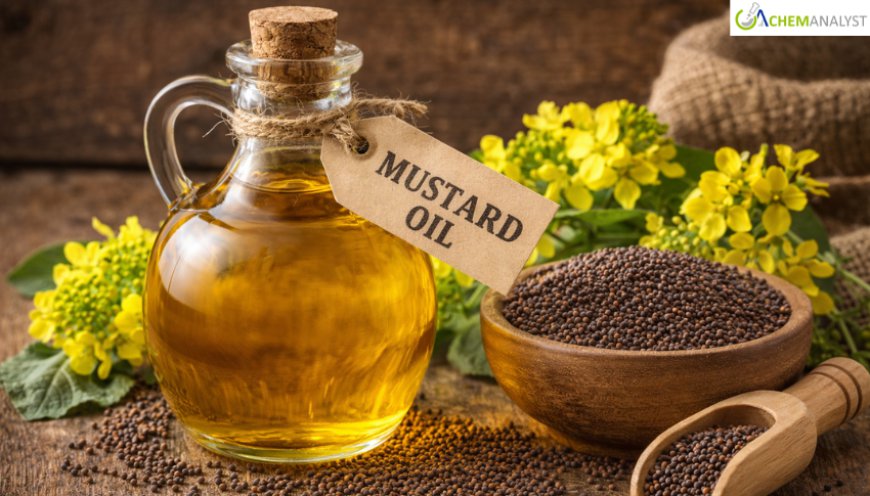
The global edible oil industry plays a critical role in food security, trade, and consumer consumption patterns. Among various edible oils, mustard oil holds a significant position, particularly in Asian countries such as India, Bangladesh, and Nepal. Known for its strong flavor, nutritional benefits, and widespread culinary use, mustard oil is deeply embedded in cultural and food traditions. Over recent years, Mustard Oil Prices have experienced fluctuations influenced by supply-demand dynamics, production costs, global trade conditions, and substitute edible oil availability.
As we move into 2026, the mustard oil industry continues to evolve amid changing consumer preferences, climatic conditions affecting crop yields, and global economic factors. This article provides a comprehensive analysis of the latest price movements, regional demand patterns, market drivers, and future forecasts shaping the mustard oil industry worldwide.
Latest Mustard Oil Price Market Overview
Recent data shows that the global Mustard Oil Price Market remained moderately firm toward the end of 2025. In India, the price index rose due to tight mustard seed arrivals, which reduced crusher throughput and tightened spot supply. The average price during the final quarter of 2025 was around USD 1644–1650 per metric ton in the wholesale market.
Several factors contributed to this price firmness, including rising logistics and packaging costs, strong festive season demand, and inventory adjustments across producing regions. Additionally, export interest and a weaker domestic currency improved mill realizations, further supporting market sentiment.
Globally, the market remained relatively stable because the availability of alternative edible oils like palm oil and soybean oil limited excessive price increases. These substitutes created a competitive pricing environment, preventing sharp upward movements despite supply constraints.
Key Factors Influencing Mustard Oil Prices
1. Supply of Mustard Seeds
One of the most important determinants of Mustard Oil Prices is the availability of mustard seeds, which serve as the primary raw material. Seasonal harvest patterns strongly influence production levels. Tight seed arrivals often lead to reduced crushing activity, which limits supply and pushes prices upward.
Conversely, abundant post-harvest supplies can create oversupply conditions, causing price corrections. Such fluctuations are common in agricultural commodities and reflect seasonal market cycles.
2. Production Costs and Logistics
Production costs play a major role in shaping Mustard Oil Price Trends. Rising fuel prices, transportation costs, labor expenses, and packaging materials have contributed to higher overall production costs. These cost increases often reduce profit margins for processors and lead to higher market prices.
Additionally, logistical challenges such as freight rates and supply chain disruptions can further impact pricing, especially in import-dependent regions.
3. Demand Patterns and Consumption Trends
Demand for mustard oil remains strong due to its culinary use and health benefits. In Asia, consumption increases during festive seasons and winter months, boosting short-term demand and price levels.
Globally, demand growth is also supported by rising interest in traditional cooking oils and natural food products. The increasing awareness of mustard oil’s nutritional benefits has further strengthened long-term demand.
4. Competition from Alternative Edible Oils
Competition from cheaper edible oils significantly affects the Mustard Oil Price Market. Palm oil, soybean oil, sunflower oil, and canola oil often serve as substitutes, especially in cost-sensitive markets. The availability of these alternatives can limit price growth for mustard oil, even when supply conditions tighten.
This substitution effect remains one of the most critical factors shaping global pricing trends.
Regional Market Analysis
Asia-Pacific
The Asia-Pacific region, particularly India, dominates global mustard oil production and consumption. In late 2025, the market experienced moderate price growth due to tight seed supply and strong consumer demand. Rising production costs and festive buying also contributed to price stability.
However, competition from imported edible oils and adequate inventory levels prevented excessive price volatility.
North America
In North America, mustard oil is primarily consumed as a specialty product in ethnic cuisines. The market showed stable demand supported by steady retail consumption and limited domestic production. Prices rose slightly due to logistics costs and import dependency.
Despite this, price increases remained moderate because alternative oils were readily available.
Europe
The European market displayed steady consumption with moderate price gains. Demand remained consistent due to the growing popularity of specialty cooking oils and increasing consumer awareness of health benefits. However, price growth was restrained by the availability of substitute oils and stable supply chains.
Track Real Time Price of Mustard Oil
https://www.chemanalyst.com/ChemAnalyst/PricingForm?Product=Mustard%20Oil
Historical Price Trends
Over recent years, Mustard Oil Price Trends have shown cyclical patterns influenced by agricultural seasons and market conditions.
In early 2025, prices initially increased due to limited supply and strong demand. Later in the year, price corrections occurred following abundant crop arrivals and reduced speculative buying.
By mid-2025, the market stabilized with balanced supply-demand dynamics. Toward the end of the year, prices regained upward momentum due to tight supply and cost pressures.
Demand Outlook for 2026
The demand outlook for mustard oil remains positive heading into 2026. Several factors are expected to support consumption growth:
-
Increasing preference for traditional and natural cooking oils
-
Rising health awareness among consumers
-
Expansion of ethnic food markets globally
-
Stable growth in food processing industries
These factors are likely to sustain steady demand, particularly in emerging economies.
Supply Outlook and Production Trends
Supply conditions are expected to remain moderately tight in the near term due to fluctuating crop yields and climatic uncertainties. However, government policies supporting agricultural production and increased cultivation areas may improve supply stability over time.
Advancements in agricultural practices and improved seed varieties could also enhance production efficiency in the coming years.
Forecast Outlook for Mustard Oil Prices
Looking ahead to 2026, analysts expect Mustard Oil Prices to remain moderately firm with limited volatility. Price movements will likely depend on the following factors:
-
Mustard seed harvest levels
-
Global edible oil price trends
-
Logistics and transportation costs
-
Consumer demand growth
The near-term outlook suggests moderate upward risks due to production costs and supply constraints, though competition from cheaper edible oils may limit sharp increases.
Overall, the long-term outlook remains positive due to sustained demand and growing market opportunities.
Challenges in the Mustard Oil Market
Despite strong demand prospects, the industry faces several challenges:
-
Price volatility caused by seasonal supply fluctuations
-
Increasing competition from alternative oils
-
Rising production and logistics costs
-
Climate change affecting crop yields
Addressing these challenges will be essential for maintaining market stability.
Opportunities and Growth Drivers
Several factors present growth opportunities in the mustard oil industry:
-
Increasing demand for organic and cold-pressed oils
-
Expanding global export markets
-
Rising consumer preference for healthy cooking oils
-
Technological improvements in processing methods
These trends are expected to support market expansion and long-term price growth.
Conclusion
The global mustard oil industry continues to demonstrate resilience amid changing economic and agricultural conditions. Recent data indicates that Mustard Oil Prices remained firm due to supply constraints, rising production costs, and steady demand. At the same time, competition from substitute oils has helped prevent excessive price increases.
As we enter 2026, the market outlook remains cautiously optimistic. Demand is expected to grow steadily, supported by health awareness and cultural consumption patterns. Supply conditions may fluctuate depending on crop yields and climatic factors, but long-term fundamentals remain strong.
Overall, the Mustard Oil Price Trends is projected to maintain stability with moderate growth potential. Businesses, traders, and consumers should closely monitor production trends, global edible oil prices, and economic conditions to anticipate future price movements effectively.