How New York Sports Clubs and Amateur Leagues Are Using Mobile Apps to Manage Schedules and Members
New York recreational sports leagues and clubs are partnering with a software development company in New York to manage schedules, dues, and communication without consuming every volunteer coordinator's weekend.
 noah_jones
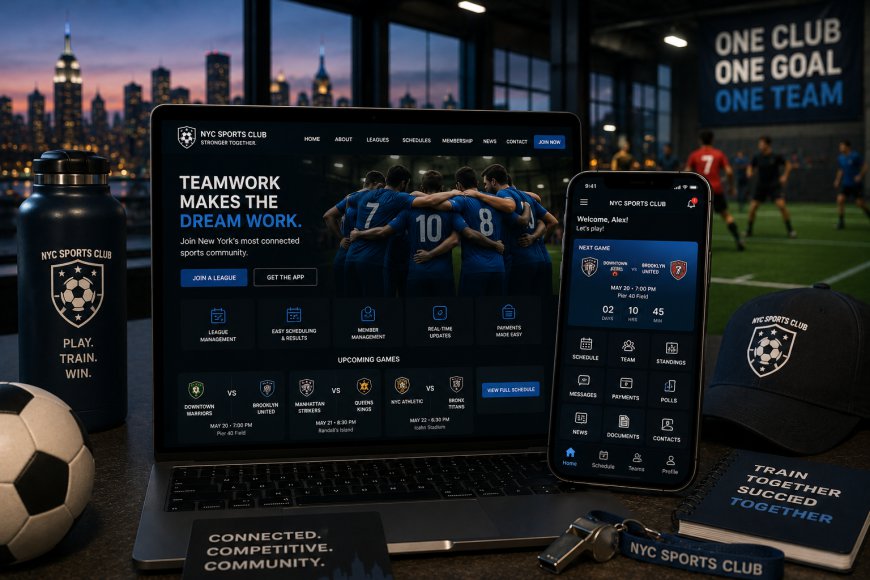
Running an amateur sports league or recreational club in New York on spreadsheets and group chats eventually breaks down into a disorganized mess that burns out the volunteer coordinators trying to manage it, which is exactly why New York sports clubs and recreational leagues are partnering with a software development company in New York to build scheduling, registration, and communication tools that run the operational side of recreational sports without requiring a full-time administrator.
New York's recreational sports ecosystem, soccer leagues in Prospect Park, volleyball clubs on the Lower East Side, tennis leagues across the boroughs, running clubs, cycling groups, and dozens of other organized recreational activities, is almost universally run by passionate volunteers who know sport deeply and administrative software poorly. The clubs and leagues operating most smoothly are the ones that have automated the operational burden that otherwise consumes those volunteers' personal time.
This article breaks down exactly how NYC sports clubs and amateur leagues are using mobile apps in 2026 to run professional-quality leagues without professional administrative staff.
The Operational Burden That Breaks Volunteer-Run Organizations
Schedule management across an entire season, game times, field or court bookings, referee assignments, weather cancellations and rescheduling, creates a coordination complexity that group texts and spreadsheets handle poorly once a league reaches even moderate size.
Dues collection and membership management through informal Venmo requests and manual tracking are unprofessional for adult recreational organizations and create real financial accountability problems.
Communication across a roster of players and teams with varying degrees of engagement, some checking email religiously, others never, requires a broadcast and direct messaging system that reaches everyone reliably through the channel they actually use.
How NYC Sports Clubs and Amateur Leagues Are Using Mobile Apps in 2026
1. Season Schedule and Game Management
Complete season schedules, game locations (with map integration for NYC parks and facilities), opponent information, and real-time score reporting are all managed through the app, with automatic rescheduling notifications when weather or facility issues change game times.
2. Registration and Dues Collection
Players and teams register directly through the app, paying registration fees and seasonal dues through integrated payment processing, eliminating the Venmo chase that consumes volunteer time and creates awkward social dynamics when payments are late.
3. Roster Management and Availability Tracking
Players indicate their availability for upcoming games directly through the app, giving team captains the information needed to manage lineups and confirm they'll have enough players without personal text campaigns before every game.
4. League Standings and Statistics
Automated standings updates, goal and point tracking, and season statistics give members the competitive visibility that makes recreational leagues genuinely engaging rather than just organized exercise.
5. Broadcast Communication and Direct Messaging
League-wide announcements, team-specific updates, and direct messaging between members and organizers, all through one platform rather than across fragmented group chats and email lists, ensure critical information reaches everyone reliably.
What a Sports League App Costs in New York
| App Type | Features | Estimated Cost | Timeline |
|---|---|---|---|
| Basic Schedule + Communication App | $18,000 – $35,000 | 10–14 weeks | |
| Mid-Tier League Platform | Above + registration + dues + standings | $35,000 – $70,000 | 14–20 weeks |
| Full Multi-Sport Platform | Above + multi-league management + referee tools | $70,000 – $130,000 | 20–28 weeks |
FAQ: NYC Sports League and Club Organizers Ask
Q1. Is this worth building for a nonprofit or volunteer-run league?
Yes, the investment is typically recovered through reduced administrative burden (freeing volunteers for higher-value activities), improved dues collection rates (automated billing collects more consistently than informal requests), and reduced member attrition due to communication frustration.
Q2. How does the app handle weather cancellations and rescheduling for outdoor leagues?
Organizers can post cancellations and updated schedules through the app with a single action, automatically notifying all affected players and teams, replacing the current reality of manual calls, texts, and hope that everyone checks the group chat.
Q3. Can the app handle different sports with different scoring and standings structures?
Yes, scoring rules and standings calculations can be configured for any sport, allowing a multi-sport club to manage tennis, basketball, and soccer leagues within the same platform with sport-appropriate statistics for each.
Q4. How do we handle free agents and solo players who want to join without a full team?
Free agent pools and solo player registration can be built into the registration flow, with the league coordinator able to assign individual players to teams needing additional members — a feature that particularly benefits leagues managing variable team sizes.
Q5. What's the biggest benefit organizers report after implementation?
Dramatically reduced personal time spent on administrative tasks, particularly scheduling communication and dues collection, allowing volunteer coordinators to actually enjoy the sport they're organizing rather than spending every Sunday managing logistics.
The Bottom Line
New York's recreational sports and amateur league community is large, passionate, and chronically underserved by the informal tools most organizations currently use. Partnering with an experienced software development company in New York to build proper scheduling, registration, and communication tools is how the best NYC sports clubs are retaining members, reducing volunteer burnout, and running genuinely professional recreational leagues without professional administrative overhead.