Silicone Rubber Prices: Latest Market Trends, Supply Dynamics, and Forecast Outlook
The global market for Silicone Rubber Prices has experienced notable fluctuations in recent years, influenced by raw material costs, industrial demand patterns, regional supply conditions, and macroeconomic trends.
 cheminfo
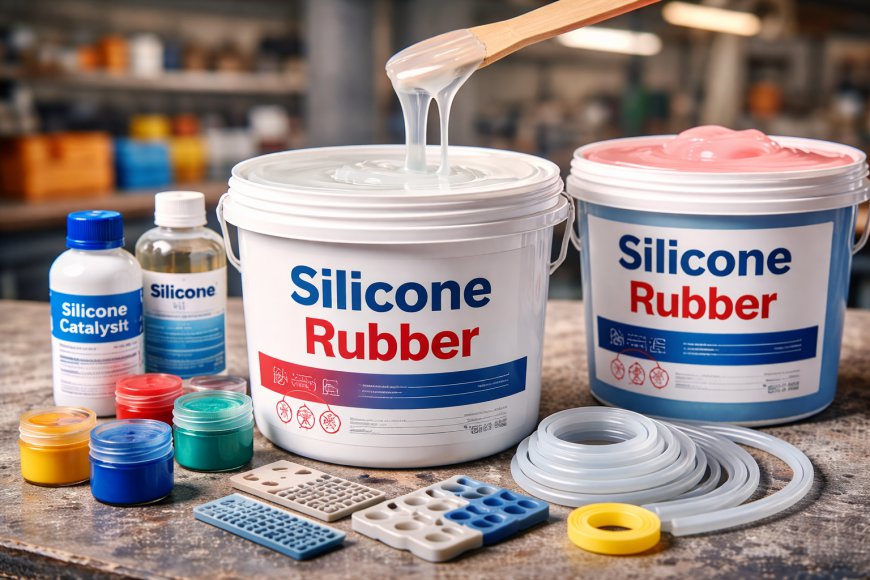
The global market for Silicone Rubber Prices has experienced notable fluctuations in recent years, influenced by raw material costs, industrial demand patterns, regional supply conditions, and macroeconomic trends. As industries such as automotive, electronics, healthcare, and construction continue to expand, silicone rubber remains a critical material due to its flexibility, heat resistance, and chemical stability.
In 2026, the latest market developments indicate a dynamic pricing environment shaped by both structural and short-term factors. Understanding Silicone Rubber Price Trends and the overall Silicone Rubber Price Market outlook is essential for manufacturers, suppliers, and procurement professionals.
Market Overview of Silicone Rubber Prices
Silicone rubber is a high-performance elastomer derived primarily from silicon, silica, and methyl chloride feedstocks. Its exceptional properties—including thermal resistance, electrical insulation, and weather durability—make it widely used across various industries.
The global silicone rubber market continues to grow steadily. The industry was valued at approximately USD 2.73 billion in 2024 and is projected to reach around USD 5.59 billion by 2034, supported by rising demand across automotive, electronics, and healthcare sectors.
This growth trajectory has significantly influenced Silicone Rubber Prices globally. Price movements reflect both rising demand and cost pressures associated with production inputs and energy costs.
Key Factors Influencing Silicone Rubber Prices
Raw Material Costs
Raw materials play a decisive role in determining Silicone Rubber Prices. The production process relies heavily on silicon metal and silica. These materials are energy-intensive to produce, making pricing highly sensitive to electricity and energy cost fluctuations.
Silicon metal prices have experienced swings of up to 40% in recent years due to energy costs and production capacity changes, directly affecting silicone rubber pricing.
Additionally, catalysts and specialty additives used in silicone rubber production have faced supply chain disruptions, further increasing cost pressures.
Supply Chain Dynamics
Supply chain stability significantly impacts Silicone Rubber Price Trends. Geographical concentration of production in specific regions—particularly Asia—makes the market vulnerable to disruptions such as:
-
Energy shortages
-
Environmental regulations
-
Transportation bottlenecks
-
Trade restrictions
Such factors can lead to sudden supply shortages or oversupply conditions, resulting in price volatility.
Demand from Key End-Use Industries
Strong demand from major industries continues to support the Silicone Rubber Price Market.
Automotive Sector
Silicone rubber is widely used in gaskets, seals, hoses, and electrical components due to its durability and heat resistance. Rising global vehicle production has increased demand significantly.
Electronics Industry
Growth in consumer electronics and electrical infrastructure has boosted demand for silicone rubber insulation and protective components.
Healthcare Applications
Silicone rubber is used in medical devices, implants, and pharmaceutical processing due to its biocompatibility.
The increasing use of silicone rubber in these industries is a primary driver behind long-term price stability and growth.
Track Real Time Price of Silicone Rubber
https://www.chemanalyst.com/Pricing-data/silicone-rubber-1310
Latest Silicone Rubber Price Trends in 2026
In 2026, Silicone Rubber Prices show mixed global trends, shaped by both supply recovery and ongoing cost pressures.
Price Stability in Asia
Asia-Pacific remains the largest producer and consumer, accounting for over 40% of global market share.
In this region:
-
Stable industrial demand supports prices
-
Adequate production capacity helps maintain supply balance
-
Strong downstream manufacturing activity sustains consumption
Moderate Growth in Europe
European prices are influenced by environmental regulations and sustainability requirements. Compliance costs and strict chemical safety policies have contributed to higher production costs, leading to moderate price increases.
Volatility in North America
North American Silicone Rubber Price Trends remain influenced by:
-
Feedstock availability
-
Energy costs
-
Import dependence
Market participants have reported fluctuating price levels due to ongoing global economic uncertainties.
Regional Analysis of Silicone Rubber Price Market
Asia-Pacific
Asia-Pacific dominates global Silicone Rubber Prices due to strong industrialization and manufacturing capabilities.
Key factors:
-
Large production capacity in China
-
Strong demand from electronics manufacturing
-
Cost-efficient production processes
China remains a major contributor to global supply, but periods of overcapacity have occasionally caused price pressures.
Europe
European Silicone Rubber Price Trends are driven by sustainability regulations and high compliance costs. Increasing environmental standards have raised operational expenses for manufacturers.
However, stable demand from automotive and healthcare industries supports consistent pricing levels.
North America
In North America, Silicone Rubber Prices are influenced primarily by:
-
Import dependence on Asian suppliers
-
Energy price fluctuations
-
Industrial demand growth
Strong infrastructure investments continue to support demand stability.
Market Challenges Impacting Silicone Rubber Prices
Raw Material Price Volatility
Fluctuations in silica, methyl chloride, and silicon metal prices remain a major challenge for the Silicone Rubber Price Market. These raw materials are sensitive to global energy costs and supply chain disruptions.
Environmental Regulations
Strict environmental policies and chemical control frameworks are increasing compliance costs for manufacturers. This has contributed to rising production expenses and, consequently, higher Silicone Rubber Prices.
Competition from Substitute Materials
Alternative elastomers such as thermoplastic elastomers and synthetic rubber compete with silicone rubber in certain applications. This competition can influence pricing dynamics in specific markets.
Supply-Demand Outlook for Silicone Rubber Prices
Supply Outlook
Global silicone rubber supply is expected to remain stable in 2026 due to:
-
Expansion of production capacities in Asia
-
Improved supply chain efficiency
-
Technological advancements in manufacturing
However, energy price volatility and geopolitical uncertainties could still impact supply stability.
Demand Outlook
Demand for silicone rubber is projected to grow steadily, driven by:
-
Rising automotive electrification
-
Increasing electronics production
-
Expansion of healthcare infrastructure
The global silicone rubber market is expected to grow at a CAGR of over 7% in the coming years, indicating sustained demand support for prices.
Forecast Outlook for Silicone Rubber Prices in 2026 and Beyond
Looking ahead, Silicone Rubber Price Trends are expected to remain moderately bullish.
Short-Term Forecast
In the short term:
-
Stable industrial demand will support prices
-
Supply recovery may reduce volatility
-
Raw material costs will remain a key pricing factor
Long-Term Forecast
Over the long term, Silicone Rubber Prices are expected to rise gradually due to:
-
Increasing global industrialization
-
Growing demand for high-performance materials
-
Expanding applications in renewable energy and electric vehicles
Technological advancements and sustainable production methods may help offset cost pressures in the future.
Strategic Insights for Market Participants
Businesses operating in the Silicone Rubber Price Market should consider the following strategies:
-
Diversifying raw material sourcing to reduce risk
-
Investing in energy-efficient production technologies
-
Monitoring regional demand trends closely
-
Strengthening supply chain resilience
Such measures can help mitigate price volatility and maintain competitiveness.
Conclusion
The global Silicone Rubber Prices landscape in 2026 reflects a complex interplay of supply-demand dynamics, raw material costs, industrial demand, and regulatory influences. While short-term volatility remains due to energy and feedstock price fluctuations, the long-term outlook is positive.
Rising demand from automotive, electronics, and healthcare sectors continues to support Silicone Rubber Price Trends globally. With sustained market growth projected over the next decade, silicone rubber will remain a critical material in industrial and technological applications.
As industries increasingly prioritize performance, durability, and sustainability, the Silicone Rubber Price Market is expected to experience steady expansion and moderate price growth in the years ahead.