Sodium Lauryl Ether Sulphate Prices: Latest Market Trends, Supply Dynamics, and Forecast Outlook
The global surfactants industry continues to evolve rapidly, and Sodium Lauryl Ether Sulphate Prices remain one of the most closely tracked indicators in the personal care and cleaning chemicals sector.
 cheminfo
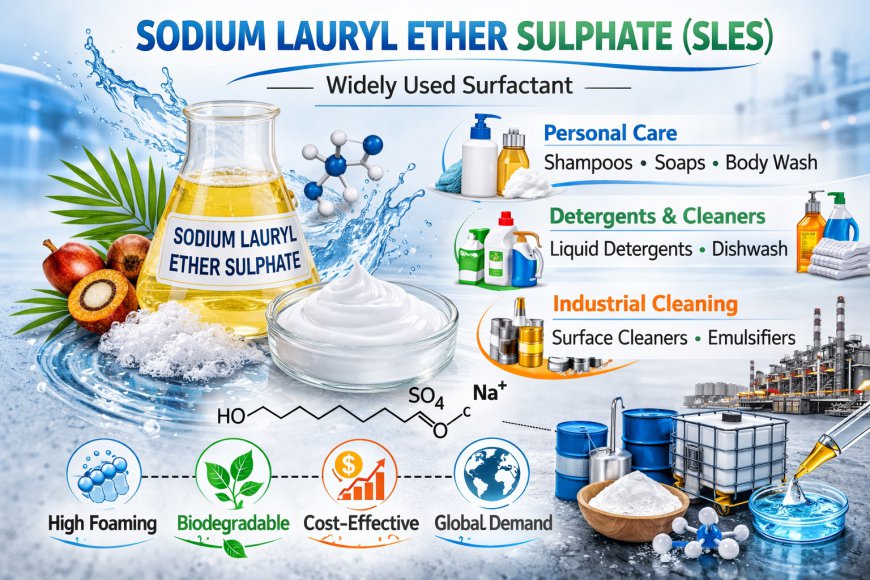
The global surfactants industry continues to evolve rapidly, and Sodium Lauryl Ether Sulphate Prices remain one of the most closely tracked indicators in the personal care and cleaning chemicals sector. Sodium Lauryl Ether Sulphate (SLES) is a widely used anionic surfactant known for its superior foaming, emulsifying, and cleansing properties. It is extensively utilized in shampoos, body washes, liquid detergents, and industrial cleaners.
As of the latest 2026 market scenario, SLES pricing trends are being shaped by a combination of feedstock costs, supply chain dynamics, energy expenses, environmental regulations, and changing consumer demand patterns. Insights from market intelligence sources reveal that the SLES market remains stable yet sensitive to fluctuations in raw materials such as lauryl alcohol and ethylene oxide.
Market Overview of Sodium Lauryl Ether Sulphate
SLES plays a critical role in the surfactants industry due to its affordability and high performance. It is preferred for its compatibility with various formulations and ability to produce stable foam across a wide range of conditions.
Global consumption of SLES remains strong due to growing hygiene awareness and increasing demand for cleaning and personal care products. Market research indicates that the global SLES market volume reached over 2.3 million tons in 2025 and is projected to expand steadily through 2034. This growth is primarily driven by rising urbanization, improved living standards, and increased usage of liquid detergents and cosmetic products.
Additionally, SLES adoption is supported by its biodegradability and effectiveness, making it a preferred surfactant in both industrial and consumer applications.
Latest Sodium Lauryl Ether Sulphate Prices Trend Analysis (2025–2026)
North America
In North America, Sodium Lauryl Ether Sulphate Prices demonstrated moderate upward movement during late 2025. According to market data, prices increased by around 4.44% quarter-over-quarter in the United States, with average prices reaching approximately USD 949 per metric ton.
The rise was primarily driven by feedstock tightness and increasing ethylene oxide costs. However, balanced supply levels and stable inventories prevented sharp price volatility. Demand from personal care and detergent industries remained steady, supporting stable market sentiment.
Looking into early 2026, forecasts indicate mild price gains followed by stabilization as production rates remain consistent and supply chains function smoothly.
Europe
European markets showed similar trends. In Germany, SLES prices rose by nearly 3.9% during late 2025, with average values around USD 1,712 per metric ton.
Key factors influencing pricing included stable feedstock costs, consistent demand from household cleaning sectors, and seasonal restocking activities. Supply levels remained adequate, limiting extreme price movements.
However, earlier in 2025, price fluctuations were observed due to logistics challenges and changing feedstock costs. Such variations highlight the sensitivity of Sodium Lauryl Ether Sulphate Price Trends to supply chain disruptions.
Asia-Pacific
The Asia-Pacific region, particularly China and Southeast Asia, plays a crucial role in global SLES production. In early 2026, spot prices in China were reported around USD 985 per metric ton.
Pricing in this region is heavily influenced by palm-based raw materials such as lauryl alcohol. Indonesia’s biodiesel mandates have diverted palm derivatives, increasing feedstock costs and placing upward pressure on SLES prices.
At the same time, strong demand from detergent manufacturers and export markets continues to support pricing stability.
Key Factors Influencing Sodium Lauryl Ether Sulphate Prices
1. Feedstock Costs
Feedstock availability remains the most critical factor influencing Sodium Lauryl Ether Sulphate Prices. Lauryl alcohol, derived from palm oil, and ethylene oxide account for a significant portion of production costs.
When palm oil prices rise or ethylene oxide becomes scarce, production expenses increase, leading to higher SLES prices. Conversely, falling feedstock costs often result in price declines.
2. Demand from End-Use Industries
Demand from personal care and cleaning industries directly impacts pricing trends. SLES is widely used in shampoos, soaps, and detergents, ensuring consistent baseline demand.
The increasing shift toward liquid detergents, which now account for over 60% of global detergent consumption, has further boosted SLES demand.
3. Supply Chain and Logistics
Supply chain disruptions such as transportation delays, port congestion, or weather-related challenges can significantly affect pricing.
Even minor logistical issues can restrict supply, creating temporary price spikes in regional markets.
4. Energy Costs
Energy prices influence manufacturing expenses. Since SLES production involves chemical processing requiring heat and electricity, rising energy costs often lead to higher product prices.
5. Environmental Regulations
Environmental regulations and sustainability initiatives are shaping the Sodium Lauryl Ether Sulphate Price Market. Manufacturers must invest in cleaner production technologies, increasing operational costs.
However, these regulations also encourage innovation and sustainable sourcing practices, influencing long-term pricing structures.
Track Real Time Prices of Sodium Lauryl Ether Sulphate Prices
Supply Dynamics of the Global SLES Market
The global SLES market operates within a well-established supply chain that includes raw material suppliers, manufacturers, distributors, and end-users.
Production capacity remains stable across major regions, particularly in Asia-Pacific, where most manufacturing facilities are located. The region benefits from abundant raw material availability and lower production costs.
Balanced supply conditions were observed in late 2025, preventing drastic price fluctuations despite steady demand.
Additionally, long-term contracts between suppliers and buyers are becoming increasingly common as companies seek to manage price volatility.
Demand Outlook for Sodium Lauryl Ether Sulphate
Global demand for SLES continues to grow steadily due to expanding personal care markets and rising hygiene awareness.
Key demand drivers include:
-
Increasing population and urbanization
-
Growth in cosmetic and cleaning industries
-
Rising demand for liquid detergents
-
Expanding industrial cleaning applications
Industrial consumption of SLES has grown significantly due to its effectiveness in manufacturing cleaning processes.
Regional Market Outlook
North America
Demand remains stable due to consistent consumption in hygiene products and cleaning agents. Market growth is expected to continue at a moderate pace.
Europe
Europe is witnessing steady demand, although sustainability concerns and shifts toward sulfate-free alternatives may limit long-term growth.
Asia-Pacific
Asia-Pacific remains the fastest-growing market due to expanding manufacturing and consumer industries. Strong demand from emerging economies supports price stability.
Forecast Outlook for Sodium Lauryl Ether Sulphate Prices (2026 and Beyond)
Looking ahead, the Sodium Lauryl Ether Sulphate Price Trends indicate moderate growth potential with periodic fluctuations.
Key forecast insights include:
-
Prices expected to remain stable with occasional increases driven by feedstock costs
-
Continued strong demand from personal care and cleaning sectors
-
Supply chain improvements likely to reduce volatility
-
Sustainability initiatives may increase production costs
Analysts predict steady growth in SLES demand through 2034, supported by increasing global consumption of hygiene products.
Emerging Trends in the Sodium Lauryl Ether Sulphate Price Market
Several emerging trends are shaping the future of the SLES market:
Sustainability Focus
Manufacturers are investing in bio-based raw materials and eco-friendly production processes.
Digital Procurement
Online B2B marketplaces are gaining popularity, improving price transparency and accessibility.
Shift Toward Premium Formulations
Increasing demand for mild surfactants is driving innovation in SLES formulations.
Challenges Facing the SLES Market
Despite its strong demand, the SLES market faces several challenges:
-
Competition from sulfate-free alternatives
-
Volatile feedstock prices
-
Environmental regulations
-
Supply chain disruptions
These factors can significantly impact Sodium Lauryl Ether Sulphate Prices in the short term.
Conclusion
In conclusion, the global Sodium Lauryl Ether Sulphate Prices landscape in 2026 reflects a balanced market characterized by stable demand and moderate supply conditions. Feedstock costs remain the primary pricing driver, while strong consumption from personal care and cleaning industries supports steady market growth.
The latest Sodium Lauryl Ether Sulphate Price Trends indicate mild fluctuations influenced by raw material availability, energy costs, and supply chain dynamics. Meanwhile, the Sodium Lauryl Ether Sulphate Price Market outlook remains positive, supported by increasing hygiene awareness and expanding industrial applications.
As sustainability initiatives and technological advancements reshape the surfactants industry, SLES is expected to maintain its dominant position as a cost-effective and high-performance surfactant well into the future.