Understanding Excessive Daytime Sleepiness
Learn about excessive daytime sleepiness, its causes, symptoms, diagnosis, and management options. Discover lifestyle tips and treatment approaches for better daytime alertness.
 amberswift52
Introduction
The excessive daytime sleepiness (EDS) is a disease prevalent among millions of people all over the world. As its name suggests, this problem refers to the constant feeling of unusual fatigue and drowsiness during the day, which occurs despite one having got sufficient sleep overnight. This condition might negatively impact work productivity, general well-being, personal life, and health. In most cases, people tend to attribute EDS to everyday stress or simply a demanding life routine. Still, in many cases, the excessive drowsiness during the day might be a sign of certain sleep problems, which have to be treated.
In search of solutions to their problems, patients with excessive drowsiness usually explore various treatment options recommended by doctors. Some medical professionals might suggest the use of Modvigil 200mg while treating some sleep disorders.
There are various factors that contribute to excessive drowsiness during the day, and finding out the exact cause is one of the essential things that should be done. Sometimes, healthcare providers recommend medications like Modaheal 200mg in the process of treating certain sleep conditions. However, apart from medical help, one needs to lead a healthy lifestyle to avoid daytime drowsiness.
What Is Excessive Daytime Sleepiness?
Excessive daytime sleepiness (EDS) is defined as a medical condition characterized by an individual having an unusual amount of sleepiness during the day when he or she should be active. While feeling tired during the day is not abnormal, EDS is marked by a strong need to sleep constantly.
The problem is faced by people of all ages; however, it is prevalent among adult patients who have problems sleeping at night, who work too much or are suffering from some kind of diseases.
Common Causes of Excessive Daytime Sleepiness
Several factors can contribute to excessive daytime sleepiness. Understanding these causes helps healthcare providers develop an appropriate management plan.
Sleep Deprivation
One of the most common causes of daytime sleepiness is not getting enough sleep. Busy schedules, long work hours, and poor sleep habits can lead to chronic sleep deprivation. Adults generally need seven to nine hours of quality sleep each night.
Poor Sleep Quality
Some people spend enough time in bed but still wake up feeling tired. Poor sleep quality can result from frequent awakenings, an uncomfortable sleeping environment, or irregular sleep schedules.
Sleep Disorders
Certain sleep disorders can interfere with restful sleep and lead to daytime drowsiness. These conditions may prevent the body from completing normal sleep cycles, resulting in reduced alertness during the day.
Medical Conditions
Various health conditions can contribute to fatigue and excessive sleepiness. Hormonal imbalances, neurological disorders, and chronic illnesses may affect energy levels and sleep quality.
Mental Health Factors
Stress, anxiety, and depression can significantly impact sleep patterns. Emotional challenges may make it difficult to fall asleep, stay asleep, or achieve restorative sleep.
Lifestyle Habits
Excessive caffeine consumption, alcohol use, lack of physical activity, and irregular sleep schedules can also contribute to daytime sleepiness. Shift workers and people who frequently travel across time zones often experience disrupted sleep patterns.
Symptoms of Excessive Daytime Sleepiness
The symptoms of excessive daytime sleepiness can vary from person to person. Some individuals experience mild drowsiness, while others struggle to remain awake throughout the day.
Common symptoms include:
-
Constant feelings of sleepiness during the day
-
Difficulty concentrating on tasks
-
Reduced memory and focus
-
Frequent yawning
-
Irritability or mood changes
-
Slower reaction times
-
Reduced productivity at work or school
-
Falling asleep unintentionally during activities
These symptoms can interfere with daily responsibilities and may affect personal and professional relationships.
How Excessive Daytime Sleepiness Affects Daily Life
Sleepiness in the day may affect almost all areas of someone’s life. It becomes difficult for an individual to accomplish regular duties, to be attentive at crucial points or to be productive regularly.
Drowsy driving is another serious consequence. Driving while one is drowsy may impair reaction time and lead to accidents. Sleepiness may have a negative effect on work efficiency.
Excessive sleepiness may interfere with studying and learning. Students may find it hard to concentrate in class and remember things. Eventually, it may even have emotional consequences.
Diagnosis of Excessive Daytime Sleepiness
Healthcare professionals use several methods to determine the cause of excessive daytime sleepiness. The evaluation usually begins with a detailed medical history and discussion of sleep habits.
Doctors may ask questions about:
-
Sleep schedules
-
Daily routines
-
Symptoms and their duration
-
Medical history
-
Current medications
-
Lifestyle factors
In some cases, additional sleep assessments or specialised testing may be recommended to identify underlying sleep disorders.
Early diagnosis can help prevent complications and improve treatment outcomes.
Managing Excessive Daytime Sleepiness
Successful management often depends on addressing the root cause of the condition. Treatment plans vary from person to person and may include a combination of medical guidance and lifestyle improvements.
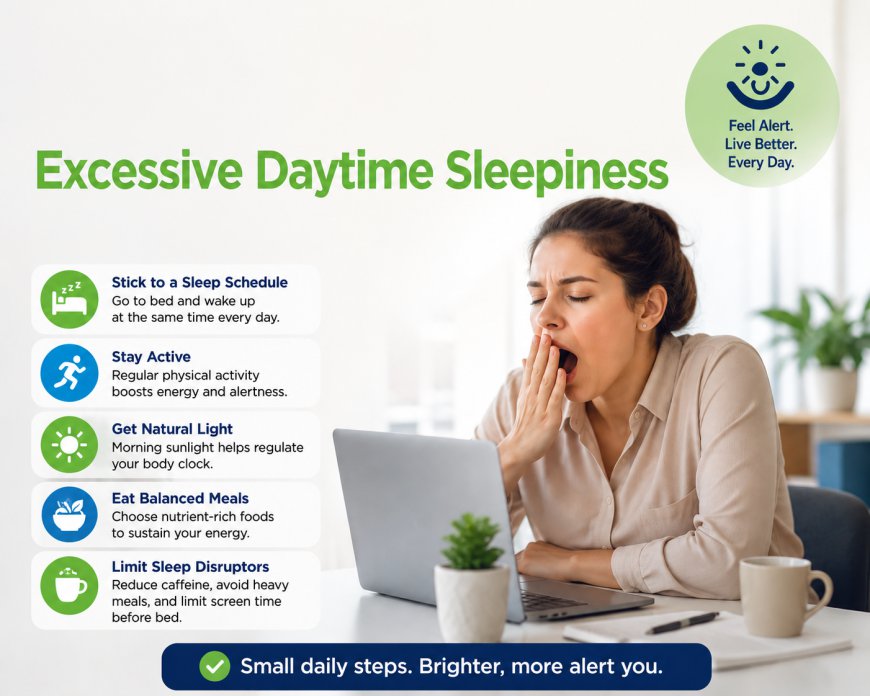
Maintain a Consistent Sleep Schedule
Going to bed and waking up at the same time every day helps regulate the body's internal clock. Consistency can improve sleep quality and reduce daytime fatigue.
Create a Healthy Sleep Environment
A comfortable, quiet, and dark sleeping environment promotes better rest. Limiting noise and reducing screen exposure before bedtime can support healthier sleep patterns.
Stay Physically Active
Regular exercise can improve sleep quality and increase daytime energy levels. Even moderate physical activity can make a positive difference.
Manage Stress
Relaxation techniques such as meditation, deep breathing, and mindfulness practices may help reduce stress-related sleep disturbances.
Follow Medical Recommendations
Individuals experiencing persistent daytime sleepiness should seek professional medical advice. Healthcare providers can recommend appropriate strategies based on the underlying cause and individual health needs.
Excessive Daytime Sleepiness Around the World
Daytime sleepiness is an issue that cuts across many cultures and countries. In America, hectic lifestyles and use of technology are common causes of unhealthy sleeping practices. In Canada, factors such as weather and long nights during winters could play a part in some peoples’ sleeping patterns. In Australia, shift work and irregular work hours could have an impact on sleeping and wakefulness.
While there may be variations based on geography, the significance of proper sleeping habits is consistent throughout. Creating more awareness regarding this issue can make people aware of its symptoms.
Conclusion
The feeling of excessive daytime sleepiness is not just about being tired. It may have an impact on physical, psychological, and social performance. The identification of the causes and symptoms as well as the management of excessive daytime sleepiness is crucial in order to make a person’s everyday life easier.
If you notice that you suffer from excessive daytime sleepiness regularly, you need to address the issue as soon as possible. The right approach to managing the condition is to maintain a healthy sleeping regimen, manage stress effectively, and receive the assistance of specialists.