What Age Is Best for Male Infertility Treatment?
Discover advanced options for Male Infertility Treatment in Dubai. Our expert urologists offer comprehensive diagnoses and custom treatment plans.
 Dynamicclinic123
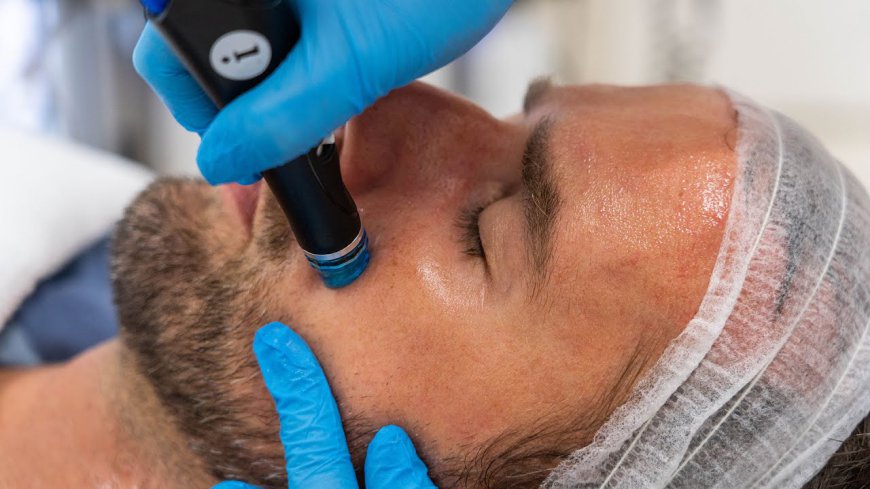
Male infertility is a sensitive and complex issue that can affect couples’ plans to start a family. Early intervention is often crucial for improving outcomes, and many men consider seeking Male Infertility Treatment in Dubai to address fertility challenges. Understanding the ideal age for treatment can help men maximize their chances of conception, make informed decisions, and take proactive steps toward reproductive health.
How Age Affects Male Fertility
Unlike women, whose fertility declines sharply with age, male fertility tends to decrease more gradually. However, aging can still impact several key factors related to reproductive health, including:
-
Sperm quality: Older age may lead to increased DNA fragmentation in sperm, affecting fertility.
-
Hormone levels: Testosterone and other reproductive hormones gradually decline, which can reduce sperm production.
-
Overall health: Conditions such as diabetes, obesity, and chronic illnesses can worsen with age and negatively influence fertility.
Recognizing these changes helps men understand why early evaluation and treatment can improve success rates.
Ideal Age Range for Male Infertility Treatment
While there is no strict cutoff age for effective treatment, studies suggest that the earlier men address fertility concerns, the better the outcomes. The most favorable age range is typically under 40 years. During this period:
-
Sperm count and motility are generally higher
-
Hormonal balance is more stable
-
The likelihood of successful assisted reproductive techniques, like IVF or ICSI, is increased
Men over 40 can still achieve successful conception, but they may require more intensive interventions and longer treatment timelines. Early consultation ensures that potential age-related factors are addressed before they significantly impact fertility.
Common Male Infertility Treatments
Male infertility treatment focuses on improving sperm health, addressing hormonal imbalances, and treating underlying conditions. Common approaches include:
-
Lifestyle modifications: Diet, exercise, stress management, and avoiding smoking or alcohol can enhance sperm quality.
-
Medications: Hormonal treatments or supplements may support sperm production and overall reproductive health.
-
Assisted reproductive techniques: In cases of severe infertility, procedures like IVF or ICSI can increase the chances of conception.
These treatments can be tailored based on age, medical history, and the specific cause of infertility, which makes early evaluation crucial.
How Age Influences Treatment Success
Age not only affects fertility itself but also impacts the effectiveness of treatments. Younger men often respond more favorably to lifestyle changes and medications, while older men may experience:
-
Longer treatment timelines
-
Reduced sperm quality improvements
-
Increased reliance on assisted reproductive technologies
Understanding these age-related factors helps set realistic expectations and allows for timely intervention, improving overall chances of conception.
Lifestyle Factors That Can Complement Treatment
Regardless of age, certain lifestyle choices can enhance the effectiveness of male infertility treatment:
-
Maintain a balanced diet: Nutrients like zinc, selenium, and antioxidants support sperm health.
-
Exercise regularly: Moderate physical activity improves hormone levels and circulation.
-
Manage stress: High stress can negatively affect hormone levels and sperm production.
-
Avoid toxins: Minimize exposure to pesticides, heavy metals, and other environmental toxins.
Coupling these habits with professional treatment can significantly improve fertility outcomes.
When to Seek Early Evaluation
Men experiencing difficulty in conceiving after 6–12 months of regular, unprotected intercourse should consider early evaluation, regardless of age. Early assessment can identify underlying issues such as:
-
Low sperm count or poor motility
-
Hormonal imbalances
-
Genetic conditions affecting fertility
Addressing these concerns promptly allows for interventions that are often more effective at younger ages, helping men achieve successful conception more efficiently.
Conclusion
While male fertility gradually declines with age, seeking Male Infertility Treatment in Dubai at an earlier stage—ideally before 40—can significantly enhance outcomes. Age influences sperm quality, hormonal balance, and the success of both lifestyle interventions and assisted reproductive techniques. Combining early treatment with healthy lifestyle choices ensures the best chance for conception and a smoother journey to parenthood.
Understanding the role of age in male fertility empowers men to take proactive steps, make informed decisions, and pursue effective treatment options with confidence. With timely intervention, men can optimize reproductive health and improve the likelihood of fulfilling their dreams of starting a family.