What Is Mole Removal and How Is the Procedure Performed?
People with visible facial moles, recurring irritation, or aesthetic concerns frequently seek professional treatment to improve both appearance and comfort.
 Dynamic Clinic
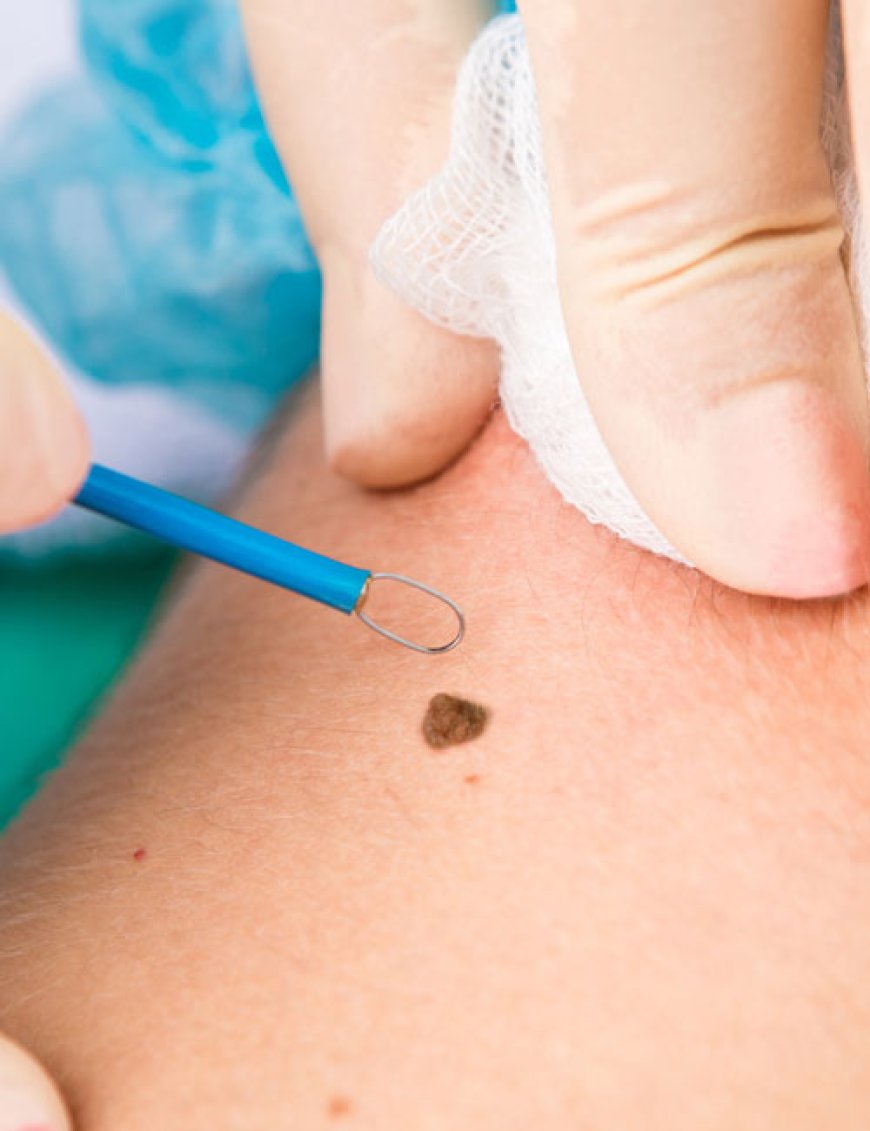
Moles are common skin growths that can appear anywhere on the body, including the face, neck, arms, back, and legs. While many moles are harmless and remain unchanged throughout life, some people choose to remove them for cosmetic reasons or because they become uncomfortable due to friction, irritation, or changes in appearance. In recent years, interest in Moles Removal Dubai has increased as more people seek smoother, clearer skin and modern aesthetic treatments that provide natural-looking results. Mole removal is considered a straightforward dermatological procedure that is often performed with minimal downtime and noticeable improvements in skin appearance.
Understanding What a Mole Is
A mole is a cluster of pigmented skin cells that forms a small dark spot or raised bump on the skin. Moles can vary in size, shape, texture, and color. Some are flat and light brown, while others may be raised, darker, or contain hair. Most moles are non-cancerous, but any mole that changes in size, color, or shape should be evaluated by a qualified skin specialist. Many people develop moles during childhood or early adulthood, and genetics often play a major role in how many moles a person has. Sun exposure can also contribute to the development of certain types of moles, especially in areas frequently exposed to sunlight.
Why People Choose Mole Removal
There are several reasons why individuals decide to undergo mole removal treatment. For some, the decision is entirely cosmetic, especially when a mole appears on highly visible areas such as the face or neck. Others may experience discomfort from moles that rub against clothing, jewelry, or shaving tools.
Common reasons for mole removal include:
- Improving facial appearance
- Reducing irritation from clothing or accessories
- Eliminating raised moles that catch during shaving
- Addressing concerns about skin changes
- Creating a smoother skin texture
- Increasing personal confidence
How the Mole Removal Procedure Is Performed
The exact method used for mole removal depends on the mole’s size, depth, location, and type. Before treatment begins, the skin is examined carefully to determine the most suitable technique. The area is then cleaned and prepared to ensure the procedure is performed safely.
Surgical Excision
Surgical excision is one of the most common methods used for deeper or larger moles. During this procedure, the area is numbed with local anesthesia, and the mole is carefully cut out along with a small margin of surrounding skin. The skin may then be closed with stitches to support proper healing.
This method is often preferred when the mole needs further examination or when complete removal is required. Once healed, the treated area typically becomes smoother and less noticeable over time.
Shave Removal Technique
For raised moles that sit above the surface of the skin, shave removal may be recommended. In this technique, the mole is gently shaved down using a specialized surgical blade after the skin has been numbed.
Shave removal is commonly used for cosmetic enhancement because it usually leaves minimal scarring and has a relatively quick recovery period. Patients can typically return to normal activities shortly after treatment.
Laser Mole Removal
Laser technology is another option used for certain flat or pigmented moles. The laser targets pigment within the mole and breaks it down gradually without the need for cutting the skin.
Laser treatment is often chosen for smaller moles in visible areas because it can provide a refined cosmetic outcome. Multiple sessions may sometimes be required depending on the depth and color of the mole.
What to Expect During Recovery
Recovery after mole removal is generally simple when proper aftercare instructions are followed. Mild redness, tenderness, or scabbing may occur in the treated area for a short period. Most people notice gradual healing over the following days or weeks.
Keeping the area clean and protected from excessive sun exposure is important during recovery. Avoiding scratching or picking at the healing skin also helps reduce the likelihood of visible marks.
Is Mole Removal Painful?
Most mole removal procedures involve local anesthesia, which helps keep the treatment comfortable. Patients may feel slight pressure or movement during the procedure, but significant pain is uncommon.
After treatment, mild soreness or sensitivity may occur temporarily, though it typically resolves quickly. Many people compare the sensation to a small scrape or minor skin irritation.
Cosmetic Benefits of Mole Removal
Removing unwanted moles can create a noticeable improvement in skin appearance. Facial mole removal, in particular, is popular among individuals who want smoother, clearer-looking skin.
Benefits often include:
- More even skin appearance
- Improved makeup application
- Reduced skin irritation
- Better comfort during shaving
- Enhanced confidence in social situations
For individuals seeking refined aesthetic results, treatments associated with Best Moles Removal Dubai are often chosen because they focus on achieving natural-looking skin enhancement while maintaining overall skin health.
Important Signs That Should Not Be Ignored
While many moles are harmless, it is important to monitor any changes in appearance. A mole should be evaluated if it:
- Changes color or shape
- Becomes larger suddenly
- Starts bleeding or itching
- Develops uneven borders
- Appears significantly different from other moles
Early examination helps ensure that any unusual skin changes are addressed appropriately.
Choosing the Right Time for Treatment
Many people decide to remove moles when they begin affecting confidence, comfort, or daily activities. Since modern techniques are minimally invasive and require little downtime, treatment can often fit easily into a busy lifestyle.
People with visible facial moles, recurring irritation, or aesthetic concerns frequently seek professional treatment to improve both appearance and comfort.
Conclusion
Mole removal is a widely performed skin procedure designed to eliminate unwanted or bothersome moles safely and effectively. Whether the goal is cosmetic enhancement, improved comfort, or evaluation of skin changes, modern treatment methods provide reliable options for different skin types and mole variations. With proper care and professional assessment, mole removal can help individuals achieve smoother skin, greater confidence, and a more refreshed appearance while maintaining healthy skin overall.