A Complete Guide to Home Health Care Products in Bangladesh
A Complete Guide to Home Health Care Products in Bangladesh
 oneforkfdgf
Taking care of your health doesn't always require a hospital visit. From daily wellness essentials to specialized devices for managing chronic conditions, having the right health care products at home can make everyday life safer, more comfortable, and more independent. As more families in Bangladesh shift toward proactive, at-home health management, the demand for reliable, easy-to-use health care products continues to grow. This article walks through the key categories of home health care items, why they matter, and what to look for when choosing them.
Why Home Health Care Products Matter
Not every health concern needs a clinical setting. Everyday monitoring tools, supportive devices, and personal care items allow individuals and families to manage minor conditions, track vital signs, and maintain overall wellness without constant hospital visits. This is especially valuable for elderly family members, new parents, people managing chronic illnesses like diabetes, or anyone recovering from an injury. Having dependable products on hand also means faster response during minor emergencies and better long-term health tracking.
Key Categories of Health Care Products
Personal, Baby & Beauty Care
Products in this segment focus on daily hygiene and comfort — from gentle, non-toxic baby care essentials to skincare formulations designed for everyday use. These items support wellness routines for every member of the household, from infants to adults.
Diagnostic & Monitoring Devices
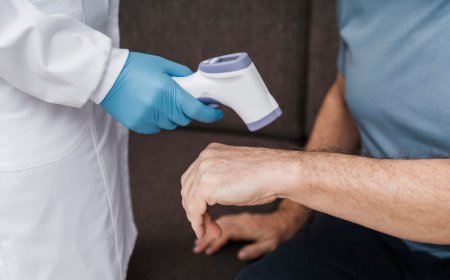
Keeping track of vital health indicators at home has become easier than ever. Devices such as blood glucose monitors, digital weight scales, and fitness trackers help individuals — especially those managing conditions like diabetes — stay on top of their health with regular, at-home monitoring rather than relying solely on clinic visits.
Orthopedic Support & Therapy
Joint pain, muscle strain, and mobility issues are common, particularly among older adults or those recovering from injury. Products like braces, supports, and physiotherapy tools provide targeted relief and aid recovery. For anyone managing ongoing discomfort, exploring dedicated pain rehabilitation products can make a noticeable difference in day-to-day comfort and mobility.
Respiratory, Vision & Sensory Care
Breathing support devices, hearing aids, and eyewear fall under this category, addressing some of the most common age-related and chronic health needs. Reliable sleep and oxygen support equipment, in particular, plays a critical role for patients managing respiratory conditions at home.
Emergency, First Aid & Daily Wellness
No household should be without a properly stocked first aid kit. Bandages, antiseptics, and wound care basics are essential for handling minor injuries quickly. For those managing daily medication schedules, well-organized pill cases and splitters help ensure doses aren't missed or mixed up, which is especially useful for elderly patients or anyone on multiple prescriptions.
What to Look for When Buying Health Care Products
- Authenticity and Certification: Always choose products sourced from verified brands and importers to ensure accuracy and safety, especially for diagnostic devices.
- Ease of Use: Home health products should be simple enough for non-medical users to operate correctly, particularly for elderly or first-time users.
- Price Transparency: Compare prices across similar products, keeping in mind that basic supplies are typically affordable, while advanced devices like oxygen equipment carry a higher investment.
- After-Sales Support: Look for suppliers who offer clear return policies and responsive customer service in case of product issues.
- Nationwide Delivery: For households outside major cities, reliable delivery service ensures access to the same quality products available in urban areas.
Building a Well-Rounded Home Health Care Kit
A practical home health care kit typically combines a few essentials from each category: a digital thermometer and weight scale for monitoring, a basic first aid kit for emergencies, orthopedic supports if needed, and daily wellness items tailored to your family's specific needs. Building this kit gradually, based on your household's actual requirements, is often more effective than buying everything at once.
Conclusion
Investing in the right home health care products isn't just about convenience — it's about building a safer, more prepared household. Whether you're managing a chronic condition, caring for aging parents, or simply want to be ready for everyday minor health issues, choosing certified, reliable products from a trusted supplier ensures you're getting genuine value and real protection for your family's health.